Xishuangbanna travel guide
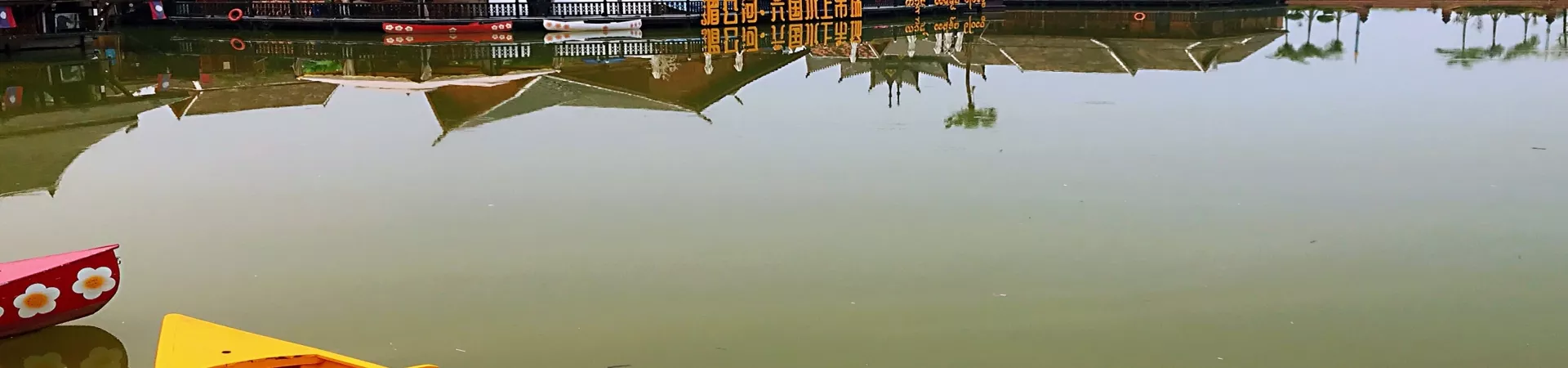
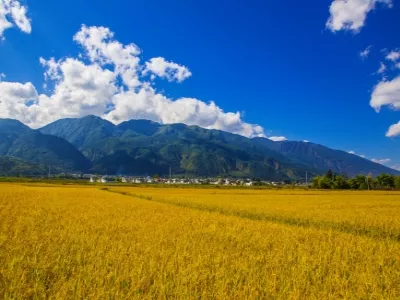
Xishuangbanna is a flat basin enveloped by towering mountains in southernmost Yunnan. It links to the landscapes of Laos, Myanmar, and Thailand, bordering Vietnam. The prefecture includes Jinghong City, Menghai County, and Mengla County.
The Lancang River (known as the Mekong downstream) irrigates this lush green land before flowing through Myanmar, Laos, Thailand, Cambodia, and Vietnam into the Pacific. Thus it's called the "Danube of the East".
On maps, you can see famous mountain ranges of the Yunnan-Guizhou Plateau encircling Xishuangbanna. In the valleys between peaks lie flat plains dotted with Dai villages of bamboo and giant banyan trees.
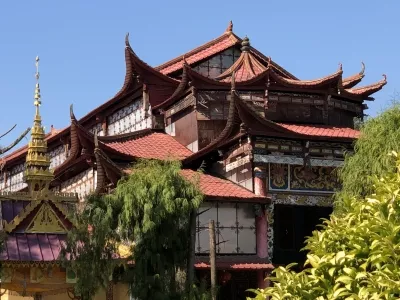
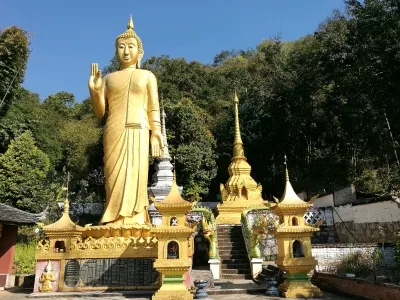
Experience a lost world where tropical forests cloak every surface. Taste exotic fruits and minority cuisines. Visit ancient temples and iconic landmarks like the Garden of Buddha's Footprints. Xishuangbanna offers adventures, natural wonders, and cultural delights amidst some of China's most diverse scenery.
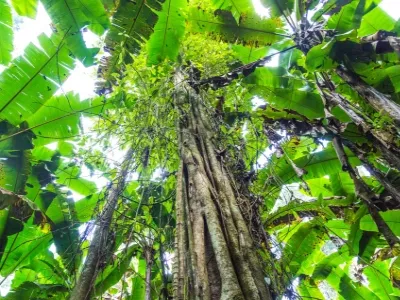
Xishuangbanna Wangtianshu Scenic Area
Subtitle: A Comprehensive Guide to Visiting Xishuangbanna Wangtianshu Scenic Area 1. Introduction to Wangtianshu Scenic Area Nestled in the heart of
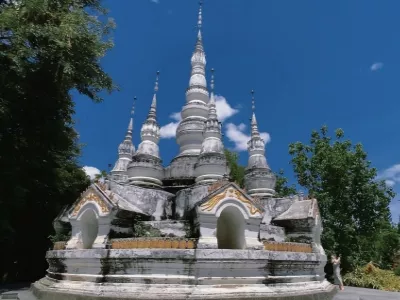
The Manting Imperial Garden
A Visitor's Guide to Manting Park: Xishuangbanna's Ancient Garden of the Soul Nestled in the heart of Xishuangbanna Dai Autonomous Prefecture in Yunn
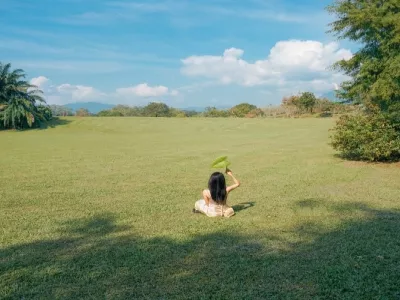
Sipsongpanna Botanical Garden, Chinese Academy of Sciences
A Comprehensive Guide to Visiting the Xishuangbanna Tropical Botanical Garden Nestled in the lush embrace of Xishuangbanna Dai Autonomous Prefecture
The Water-Sprinkling Festival
The Water Splashing Festival is the New Year celebration of the Dai people in Xishuangbanna. Called "Sangken" in the Dai language, it is their most important festival. True to its name, a highlight is the water splashing activities that give the festival its nickname among outsiders. Other events include dragon boat races, flying lanterns, vibrant parades and more. Key cultural traditions are the “throwing of bags” ritual, ethnic singing and dancing, cockfighting and bullfighting. On the main day, young women are the focus of the water splashing as local lore says the girl doused the most is the most popular. The festival traces back to a Dai legend about an ancient disaster when the weather cycled irregularly between drought and flood, ruining crops and spreading disease. The Dai sun god Payagyi saw the plight and learned a rogue weather deity had caused the chaos. With help from the deity's seven daughters, Payagyi beheaded him using his own hair which was his only weakness. His decapitated head could still spew fire so the sisters took turns cradling it until the head rotted away. They splashed water on each other afterwards to wash away the filth. With the evil deity defeated, normal weather resumed and people began the water splashing ritual to honor the selfless sisters and pray for good fortune.
Temak
Temaoke, meaning “beating iron” in the Jinuo language, is the New Year celebration of the Jinuo ethnic minority. During the festival, Jinuo villages hold bullfighting events, feasts, and festive singing and dancing. Guests visiting the Jinuo receive warm hospitality as the New Year is welcomed. It is an ideal time to experience Jinuo customs. As Jinuo legend goes, before the use of iron tools, a Jinuo woman was pregnant for an extraordinary 9 years and 9 months. When finally born, her baby emerged as a grown man wielding a hammer and tongs. He began smithing iron inside the home, bringing the metalworking age to the Jinuo. The Temaoke Festival commemorates this transition. Nowadays, the festival more broadly represents ringing out the old year and ringing in the new. Visiting during Temaoke offers an inside look at Jinuo culture through customs like bullfighting, huge communal feasts, and observing their New Year’s rituals. It provides opportunities to try Jinuo cuisine, learn about their history and forge cross-cultural connections.
Best Travel Time
'Heat' is a major feature of the climate in Xishuangbanna. The average annual temperature in Xishuangbanna is 21.9 ℃, divided into two seasons: drought and rain. November May is the dry season with cooler weather, making it the peak season for tourism. Especially in April, there is a grand water splashing festival. From June to October, it is the rainy season and the weather is relatively humid and hot. However, during this time, traveling in Banna can taste various fruits. And at this time, there are fewer tourists and various expenses have also decreased.Dressing Guidelines
Pack plenty of t-shirts, shorts, and sandals for Xishuangbanna’s tropical climate. Bring a light jacket for cool mornings and evenings. Slip-on sandals will be your daily footwear, so leave bulky sneakers behind.
In the dry season from November to May, prepare for sweltering heat with sunglasses, sunscreen, insect repellent, hats, and heat illness medication. The rainy season's humid air sticks sweat to your skin, so carry a small towel when out. Umbrellas, mosquito spray, sun protection, and oral rehydration salts like Huo Xiang Zheng Qi remain rainy season essentials.
Light, loose fabrics like cotton or linen allow airflow to keep you cool and dry. Bring a compact raincoat or poncho for sudden downpours. With breathable clothes, protective accessories, and sensible footwear, you’ll stay comfortable appreciating Xishuangbanna’s vibrant scenery and culture despite the hot, humid climate.
Medical treatment
Here is some medical information for Jinghong, Xishuangbanna for an English travel website:Medical Care in Jinghong, XishuangbannaJinghong has several hospitals available for medical care. The largest is Jinghong People's Hospital located at 48 Galan Zhong Lu. Tel: 0691-2147123Jinghong People's Hospital is a modern, tier 3 facility providing comprehensive healthcare including 24/7 emergency services. English-speaking staff are available.Other medical facilities in Jinghong include the Traditional Chinese Medicine Hospital, the Maternal and Child Health Hospital, and various community health centers. Be sure to carry international medical insurance when traveling in Xishuangbanna. Do not hesitate to seek medical attention at Jinghong People's Hospital or other reputable facilities if you become ill or injured during your stay. Quality medical care is available in the city.Have a wonderful trip to Xishuangbanna! Please let us know if you need any other recommendations for healthcare services in the area.Safety considerations
Here are some tips for solo female travelers in Xishuangbanna, China:
1. Don't reveal your exact destination or travel plans to strangers. Avoid mentioning you are traveling alone.
2. Groups with other women tend to be safer to associate with.
3. Try not to arrive late at night. If you must, you can wait in the train station until daylight.
4. Accurate travel information is crucial. Research thoroughly beforehand and stay in contact with friends who've visited if possible.
Overall, violent crime is rare, but exercise normal precautions. Secure valuables, avoid isolated areas at night, and only take registered taxis. Xishuangbanna is generally safe, but following basic safety tips as a solo female traveler makes for a comfortable trip. Let local tourism authorities know if any issues arise. With proper precautions, Xishuangbanna can be an adventurous yet secure destination.