Yaowang Cave
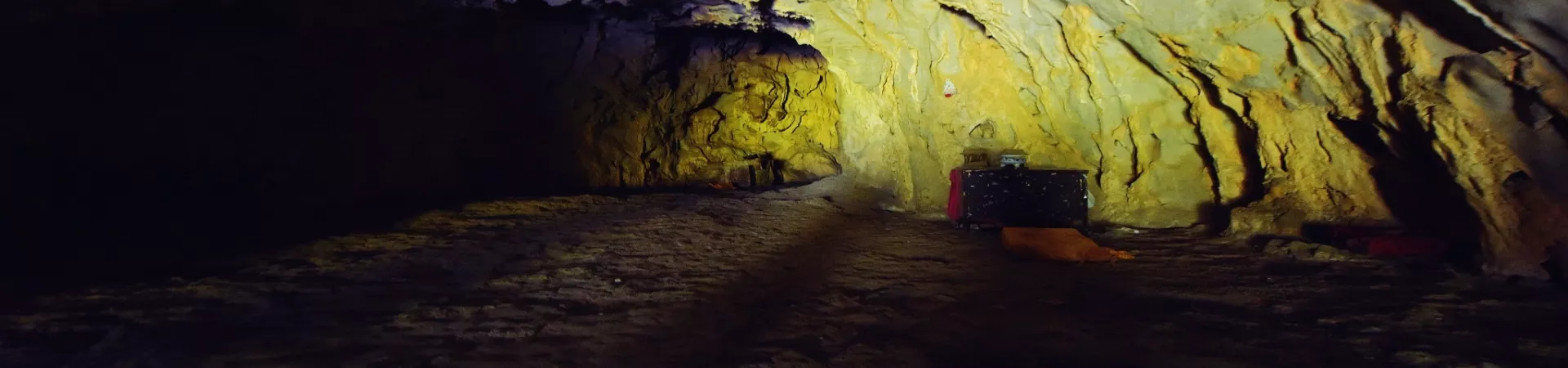
Subtitle: A Journey into History, Healing, and Natural Wonder on Zhuyu Peak
1. Introduction Nestled on the slopes of the majestic Zhuyu Peak within the renowned Yuntai Mountain Scenic Area of Jiaozuo, China, lies the Yaowang Cave, or the Medicine King Cave. Far more than a simple geological formation, this site is a profound tapestry woven from threads of ancient Chinese medicine, spiritual devotion, natural resilience, and enduring social values. A visit here is not merely a stop on a hiking trail but a step back in time, offering a quiet moment of reflection amidst the grandeur of the Taihang Mountains. It serves as a tangible connection to one of China's most revered historical figures and presents a unique narrative where cultural heritage and ecological wonder coexist seamlessly.
2. The Legacy of the Sage: Sun Simiao and the Cave's Heritage 2.1. The Historical Connection The primary significance of Yaowang Cave stems from its deep association with Sun Simiao, a legendary physician of the Tang Dynasty (618-907 AD) who was later deified as the "King of Medicine." Historical lore recounts that Sun Simiao traveled through these very mountains, foraging for medicinal herbs and studying their properties. It is believed he used this cave as his dwelling and workplace during his expeditions. This connection transforms the cave from a simple rock shelter into a hallowed ground in the history of traditional Chinese medicine, evoking the image of the sage meticulously preparing remedies that would be documented in his seminal works, which continue to influence medicinal practices today.
2.2. The Enduring Tributes: Stone Statues The deep reverence for Sun Simiao is permanently etched into the cave's interior. During the Jin Dynasty (1115-1234 AD), local devotees, led by a man named Li Tianyou, funded the creation of enduring stone sculptures to honor his legacy. These carvings depict Sun Simiao seated centrally, flanked by two of his disciples. These statues, standing for centuries, are not merely artistic artifacts; they are focal points for contemplation, representing the transmission of knowledge and the enduring gratitude of the people for a healer's contributions. They solidify the cave's status as a site of historical pilgrimage.
3. The Silent Sentinels: Natural and Moral Guardians 3.1. The Millennium-Old Redwood Guarding the entrance to the cave is a breathtaking natural monument: a towering Chinese Yew, or红豆杉 (Hongdou Shan), estimated to be over a thousand years old. Soaring more than 20 meters high with a robust trunk and a lush, expansive canopy, this ancient tree is a symbol of vitality and endurance. In the context of the Medicine King's cave, its presence feels deeply symbolic. The yew tree itself is known in some traditions for medicinal properties, creating a poetic harmony between the healer's legacy and the enduring power of nature. It stands as a silent, living witness to the countless seasons and visitors that have passed by the cave.
3.2. The "Eternal Gambling Prohibition" Stele Adjacent to this ancient tree rests a fascinating historical marker from a much later period: a stone stele erected in the 8th year of the Qing Dynasty Tongzhi reign (1869 AD). Its inscription, "Forever Prohibit Gambling" ("永远禁止赌博碑"), reveals a compelling social history. As Zhuyu Peak was a destination for religious pilgrims, its northern summit once hosted overnight stays. Unfortunately, these gatherings sometimes devolved into rampant gambling, leading to financial ruin for some participants. The local authorities of the time erected this stele to curb this destructive practice. This object adds a remarkable layer to the site's story, juxtaposing the spiritual pursuit of healing and pilgrimage with a very human struggle against vice, showcasing a community's effort to uphold moral order.
4. Practical Visitor Information 4.1. Location and Access Yaowang Cave is situated along the main hiking path that ascends Zhuyu Peak. There is no separate or direct access; visitors will encounter the cave naturally during their climb to the peak's summit. The integration of the site into the hike allows the historical and natural interlude to complement the physical journey and the panoramic rewards of the climb.
4.2. Admission and Operating Hours Access to Yaowang Cave is included in the general admission ticket for the Yuntai Mountain Scenic Area; there is no separate entrance fee. The operating hours for the scenic area vary seasonally: * Peak Season (Approx. March-November): 6:00 AM - 6:30 PM * Off-Peak Season (Approx. December-February): 7:00 AM - 5:30 PM These hours are subject to change, and it is always advisable to confirm the latest schedule before your visit.
4.3. Suggested Duration and Contact A visit to the cave itself, including time to appreciate the statues, the ancient tree, and the stele, typically requires less than one hour. However, this should be factored into the total time needed for the full Zhuyu Peak hike. For any specific inquiries, you may contact the Yuntai Mountain Scenic Area administration at: 0391-7709001 or 0391-7709062.