Chenjiagou Scenic Area
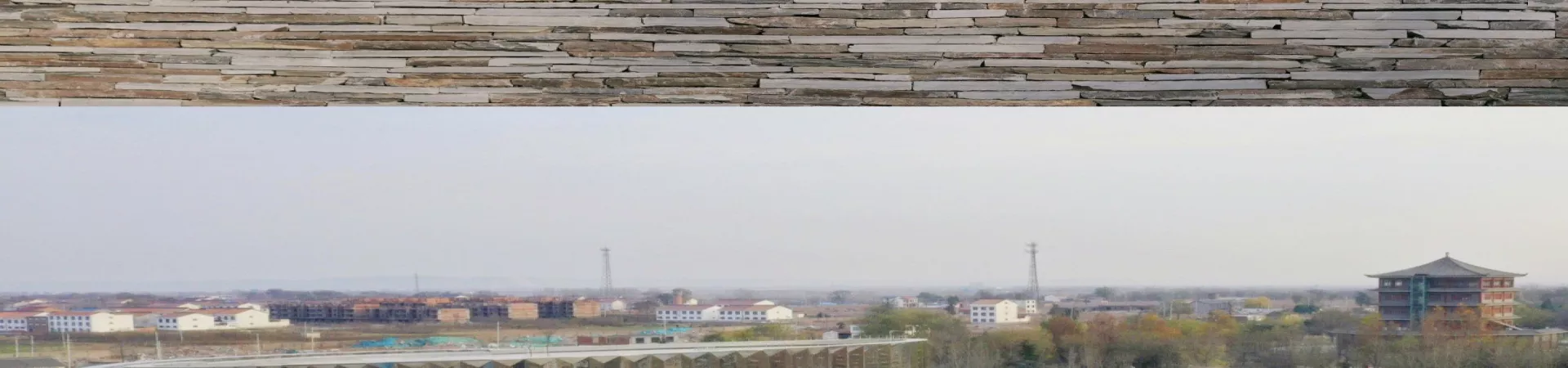
Subtitle: The Birthplace of Tai Chi: A Journey to Chenjiagou's Living Heritage
1. Introduction: The Cradle of a Global Practice
Nestled within the gentle slopes of the Qingfeng Ridge, approximately five kilometers east of Wen County in Jiaozuo City, Henan Province, lies a village of profound cultural and historical significance: Chenjiagou. To the world, this unassuming locale is revered as the indisputable birthplace of Tai Chi Chuan (Taijiquan), an internal Chinese martial art that has transcended its combative origins to become a global symbol of holistic health, meditative movement, and philosophical balance. More than just a historical site, Chenjiagou is a living community where the legacy of its founding Chen family permeates the air, offering visitors a unique opportunity to walk through the very landscapes that shaped a practice now enjoyed by millions worldwide.
2. Historical Roots: From Changyang Village to Chenjiagou
2.1. The Founding Ancestor: Chen Bu The story of Chenjiagou begins not with Tai Chi, but with a migration. During the Hongwu reign of the Ming Dynasty (circa late 14th century), a man named Chen Bu, originally from Zezhou in Shanxi Province, settled in a village then known as Changyang. Chen Bu was himself a skilled martial artist, proficient in various boxing styles and weaponry. He established a martial arts society within the village, planting the seeds of a deep-rooted tradition of physical cultivation and defense within the Chen clan.
2.2. The Evolution of a Name As the Chen family flourished and multiplied over generations, the geography of their home became intertwined with their identity. The village was characterized by a deep ravine running north to south. This prominent natural feature gradually led to the community being renamed "Chenjiagou," which literally translates to "Chen Family Gully." This name endures, a permanent testament to the clan's enduring presence and dominion over this land.
3. The Genesis and Systematization of Tai Chi Chuan
3.1. The Creation by Chen Wangting The pivotal transformation from general martial arts practice to the creation of Tai Chi as a distinct system occurred in the late Ming and early Qing dynasties. The credit is widely attributed to Chen Wangting (9th generation of the Chen family). A military officer and a scholar, Chen Wangting was a inheritor of his family's boxing arts. In a period of social turmoil, he retreated to his ancestral village and embarked on a monumental synthesis. He refined the ancestral Chen fighting techniques, incorporating elements from other esteemed Chinese martial arts styles of his time. His true genius, however, lay in fusing these physical techniques with deeper Chinese philosophical and health traditions.
3.1.1. A Fusion of Philosophy and Physiology Chen Wangting's innovation was not merely a new set of movements. He systematically integrated the principles of Daoyin (guided stretching), Tuna (breath control and expulsion), and the theories of Traditional Chinese Medicine, particularly the concept of meridians or energy pathways (jingluo). This created a new, internal martial art where soft, continuous, and circular movements were powered by intention (yi) and guided by the breath, designed to cultivate and circulate internal energy (qi). Reflecting the core Chinese cosmological concept of the dynamic interplay between opposing yet complementary forces, he named this new art "Tai Chi Chuan" (Supreme Ultimate Fist).
4. Legacy and Global Dissemination
4.1. Chen Changxing and the Opening of the Gates For generations, Tai Chi remained a closely guarded secret, taught exclusively within the Chen family. This changed significantly with Chen Changxing (14th generation) in the 19th century. Recognizing the art's value, he broke with strict tradition and began accepting disciples from outside the Chen clan. His most famous external student was Yang Luchan from Yongnian, Hebei Province.
4.2. The Birth of Major Styles Yang Luchan, after mastering the Chen-style art, adapted and modified it, eventually creating what is now the world's most popular and widely practiced style: Yang-style Tai Chi. This act of transmission and adaptation set a precedent. Other students and practitioners, both from within and outside the Chen lineage, further developed their own interpretations. This led to the emergence of the other four major canonical styles of Tai Chi: Wu, Wu (Hao), and Sun styles. Thus, Chenjiagou stands as the trunk from which these five great branches—Chen, Yang, Wu, Wu, Sun—grew, spreading across China and, eventually, the entire globe.
5. Practical Information for Visitors
5.1. Location and Ambiance Today, Chenjiagou has developed into a scenic area dedicated to preserving and showcasing this heritage. Visitors will find a complex that includes ancestral halls of the Chen family, training schools, museums detailing the history of Tai Chi, and statues commemorating its grandmasters. The atmosphere often buzzes with the quiet energy of practice, as local masters and students from around the world train in its courtyards.
5.2. Admission and Hours * Admission Fee: The standard entrance ticket is priced at 48 RMB. * Opening Hours: The operating hours vary seasonally to accommodate daylight. * Peak Season (May 1 - October 7): 08:00 - 18:00 (Last admission at 17:30). * Off-Peak Season (October 8 - April 30 of following year): 08:00 - 17:30 (Last admission at 17:00).
5.3. Suggested Visit Duration To fully appreciate the museums, historical sites, and perhaps observe or even participate in a brief introductory session, a visit of 3 hours or more is highly recommended. This allows for an immersive experience rather than a hurried walkthrough.
A journey to Chenjiagou is, therefore, a pilgrimage into the heart of a living tradition. It is where history is not merely read but felt in the slow, deliberate movements practiced in its open spaces, connecting every visitor to the philosophical depth and historical journey of Tai Chi Chuan, from a single village gully to the wider world.