Site of the Zunyi Conference
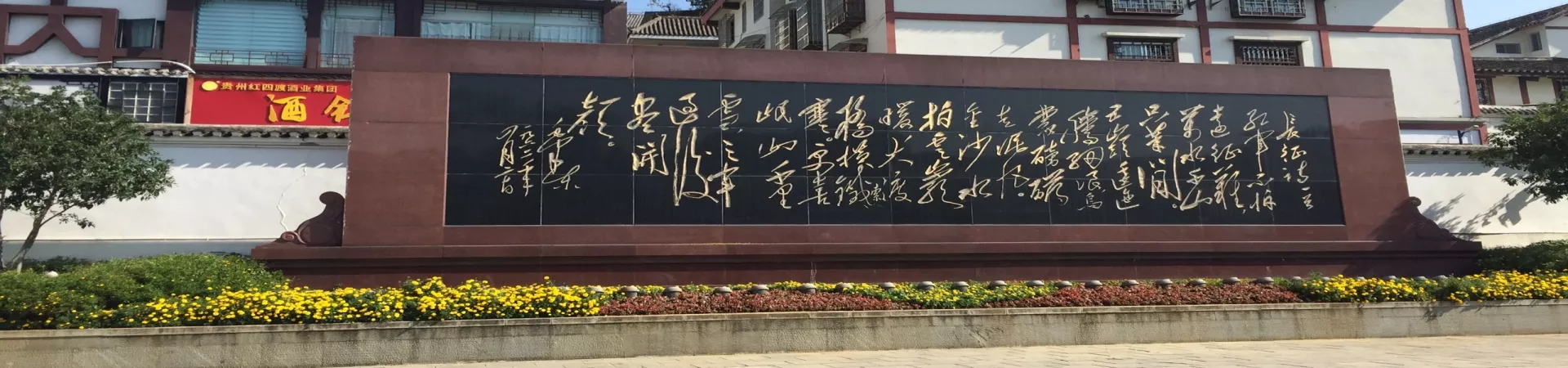
Subtitle: A Journey Through Pivotal History: Visiting the Zunyi Conference Site
1. Introduction: The House That Changed History
Nestled within the historic old town of Zunyi, Guizhou Province, stands an unassuming yet monumentally significant structure: the Zunyi Conference Site. Constructed in the early 1930s, this two-story wooden building, a blend of Chinese and Western architectural styles, was the stage for one of the most critical meetings in modern Chinese history—the Zunyi Conference of January 1935. Today, preserved as a national monument and museum, it offers visitors a profound and tangible connection to a pivotal moment that altered the course of the Chinese Communist Revolution. More than just a historical relic, it is a place where strategy was debated, leadership was transformed, and the destiny of a nation was steered onto a new path.
2. Architectural Layout and Historical Significance
2.1. From Private Residence to Historic Venue The building originally served as the private mansion of Bai Huizhang, a divisional commander of the local Guizhou (Qian) army. Its design reflects the era's architectural trends, combining a traditional Chinese courtyard layout with Western decorative elements. The complex is divided into two main sections: the principal building and a side courtyard.
Upon entering through the main gate, visitors are greeted by the bold, calligraphic inscription "遵义会议会址" (Zunyi Conference Site), written by Chairman Mao Zedong himself, mounted prominently above. Passing through the inner gate, one steps into a serene, green-stone-paved courtyard. The principal building, located on the northern side of this courtyard, is the heart of the site.
2.2. The Conference Room: A Moment Frozen in Time The absolute focal point of any visit is the second-floor conference room. Here, the atmosphere is meticulously preserved to reflect its state during those tense days in January 1935. The room's arrangement is simple yet powerful: a long wooden table surrounded by chairs, a kerosene lamp, and maps on the walls. It was in this modest setting that members of the Politburo and the military command critically reviewed the failures of previous strategies during the Long March. The most significant outcome was the elevation of Mao Zedong to a position of core leadership within the Party and the military, marking a decisive turn in both the direction of the Long March and the revolutionary movement itself. Standing in this room, one can almost feel the weight of the discussions that reshaped history.
3. Practical Visitor Information and Strategic Tips
To fully appreciate the site's historical gravity and architectural details, strategic planning can greatly enhance the visitor experience.
3.1. Optimal Timing for Your Visit * Opening Hours: The site is open daily from 8:30 AM to 5:00 PM, with the last admission at 4:30 PM. * Avoiding Crowds: For a quieter, more contemplative experience, it is highly recommended to arrive early in the morning, shortly after opening, to avoid the influx of large tourist groups that typically arrive later. The peak hours for group tours are generally between 10:00 AM to 11:00 AM and 2:00 PM to 4:00 PM. * Suggested Duration: A thorough visit, including time to absorb the exhibitions and read informational plaques, typically requires 1 to 3 hours.
3.2. Enhancing Your Understanding: Guided Tours While exploration at your own pace is possible, the historical context is complex. A highly effective way to gain deeper insights is to leverage the abundant guided tours available. * "Tagging Along" with Groups: Numerous organized tour groups visit throughout the day. Visitors can discreetly join the periphery of a group to listen to the professional guide's detailed explanations of specific rooms, artifacts, and historical narratives. * Flexible Learning: Given the frequency of these groups, you have the flexibility to listen to a guide's segment in one area, then move on independently or find another group focusing on a different section. This allows for a customized and richly informative experience without formal commitment.
3.3. Logistics * Admission: Access to the Zunyi Conference Site is free of charge. * Contact: For any inquiries, the site can be reached at 0851-28257409 or 0851-28222052.
4. The Enduring Legacy
Walking through the quiet courtyard and the solemn rooms of the Zunyi Conference Site is an immersive historical lesson. It transcends a simple museum visit, offering a physical space where one can reflect on themes of resilience, strategic recalibration, and leadership. The preservation of the site, from Mao's calligraphy over the door to the precisely arranged conference table, serves as a powerful testament to its enduring symbolic importance in China's national memory. It stands not only as a memorial to a specific event but as a landmark representing a crucial turning point, inviting visitors from around the world to understand a chapter that fundamentally shaped the political landscape of twentieth-century China. The building, once a symbol of local authority, was forever transformed into a sanctuary of revolutionary history, its quiet halls echoing with the decisive debates that charted a new future.