Renhuai Maotai Town
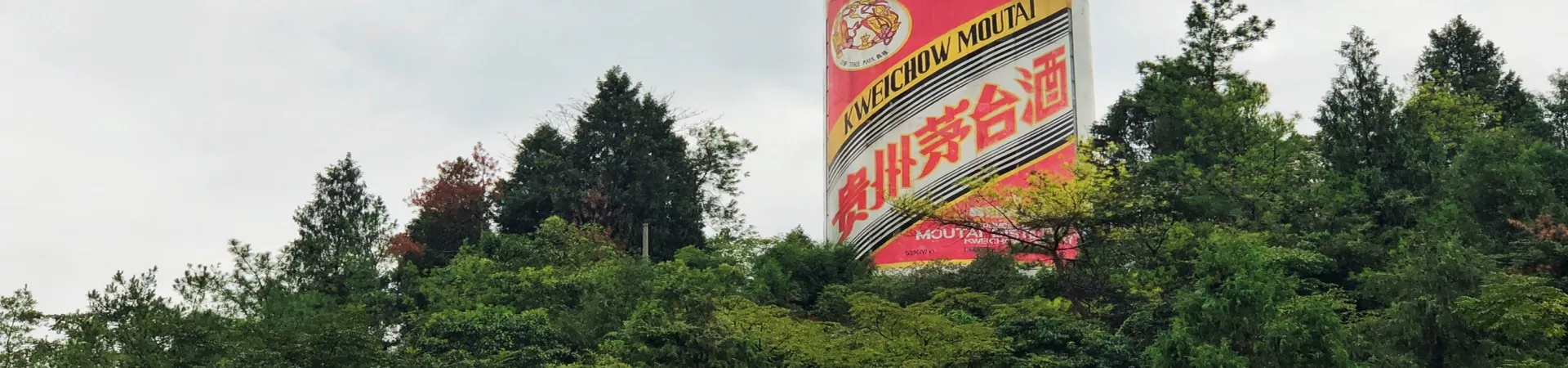
Subtitle: A Journey Through the Heart of Chinese Liquor Culture
1. Introduction to Maotai Town Nestled along the banks of the Chishui River in Renhuai City, Maotai Town stands as a legendary destination in northern Guizhou Province. More than just a town, it is the sacred birthplace of China's most celebrated liquor, a place where history, culture, and craftsmanship converge amidst a dramatic landscape of encircling mountains. For centuries, its strategic location made it a vital hub, famously described in the old saying, "Sichuan salt traveled to Guizhou, while Shaanxi merchants gathered in Maotai." This commercial legacy paved the way for its enduring fame, which today is inextricably linked to the global reputation of Moutai liquor.
2. The Global Legacy of Moutai Liquor The story of Maotai Town is the story of its iconic product. The production of Moutai liquor, with its unique and complex fermentation process influenced by the local climate, water, and microbiome, dates back centuries. However, it was in 1915 that the town's name was catapulted onto the world stage. At the Panama-Pacific International Exposition in San Francisco, Moutai liquor was awarded the prestigious Gold Medal, an accolade that announced its excellence to a global audience. By the early 20th century, it had firmly secured its place among the world's finest spirits. This international recognition transformed the town into a symbol of Chinese brewing artistry and a must-visit location for anyone seeking to understand the depth of China's liquor culture.
3. Exploring the National Liquor Culture Museum To fully appreciate the significance of this town, a visit to the National Liquor Culture Museum is essential. Located within the premises of the Moutai Distillery, this expansive museum complex covers over 3,000 square meters and offers a systematic journey through China's 5,000-year history of alcohol.
3.1. Architectural and Thematic Layout The museum is ingeniously divided into seven distinct pavilions, each dedicated to a major historical period: the Han, Tang, Song, Yuan, Ming, and Qing dynasties, followed by a modern exhibition hall. This chronological structure allows visitors to trace the evolution of brewing techniques, drinking vessels, and the social role of alcohol across Chinese civilization.
3.2. Collections and Exhibits The museum's vast collection, comprising more than 5,000 artifacts, brings this history to life. Visitors can admire ancient inscriptions, traditional calligraphy and paintings, historical documents, and a wide array of cultural relics. These exhibits do not merely focus on the liquor itself but delve into the intricate ways alcohol became woven into the fabric of Chinese life, illustrating its connections to politics, economics, culture, and folklore throughout the ages.
3.3. Focus on Moutai's Heritage A significant portion of the museum is naturally dedicated to chronicling the development of Moutai liquor. It showcases its unique production process, its rise to prominence, and its status as a national treasure. The museum's comprehensive and scholarly approach earned it a place in the 1999 Shanghai Great World Guinness Records as a premier institution of its kind, effectively condensing the glory and essence of millennia of Chinese liquor culture.
4. Practical Visitor Information 4.1. Transportation Reaching Maotai Town requires a two-step journey. First, travelers should take a long-distance bus from Zunyi City to Renhuai City. Upon arrival in Renhuai, local minibuses (small coaches) regularly depart for Maotai Town. These minibuses are a common mode of transport and can often be hailed from the roadside in Renhuai.
4.2. Admission and Opening Hours A significant advantage for visitors is that admission to the National Liquor Culture Museum is free of charge. The museum and the town itself are accessible to visitors throughout the year. The opening hours are exceptionally flexible, operating on a 24-hour basis every day of the week, from Monday to Sunday, across all months from January 1st to December 31st. This allows for great scheduling freedom, though it is advisable to confirm specific access to indoor exhibits during very late hours.
4.3. Suggested Duration To thoroughly explore the museum's seven pavilions and absorb the wealth of information on display, a minimum of three hours is recommended. Allocating additional time to wander through the town, sense the atmosphere around the distillery, and appreciate the scenic setting along the Chishui River will make for a more complete and enriching experience.