Loushan Pass
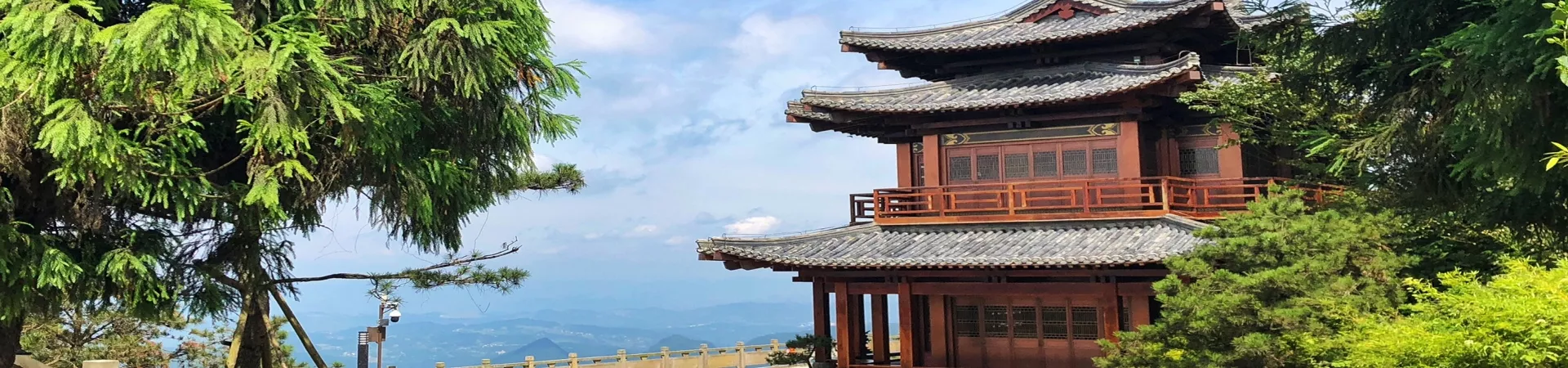
Subtitle: A Journey Through History and Majesty at Loushan Pass
1. Introduction: The Strategic Gateway to Guizhou
Nestled at the border of Zunyi and Tongzi counties, Loushan Pass stands as the formidable main peak of the Dalou Mountain range. Known historically as Louguan or Taiping Pass, it is far more than a geographical marvel; it is a sentinel of history, a cornerstone of China's "red tourism," and an indispensable destination for any visitor seeking to understand the soul of Guizhou's north. Its reputation is built upon a landscape of breathtaking severity—layer upon layer of precipitous cliffs and jagged peaks that create a natural fortress so impregnable it perfectly embodies the ancient adage, "one man can hold it against ten thousand." This dramatic topography underpinned its crucial strategic role for centuries. Serving as the vital throat of northern Guizhou, it guarded the routes north to Sichuan (Ba-Shu) and south to Guizhou and Guangxi, making it a coveted prize for military strategists throughout Chinese history. However, it was a pivotal moment in the 20th century that forever etched Loushan Pass into the modern Chinese consciousness, transforming it from a mere military stronghold into a powerful symbol of perseverance and revolutionary spirit.
2. The Pivotal Battle: Loushan Pass in the Long March
The historical significance of Loushan Pass reached its zenith in February 1935, during the epic Long March of the Chinese Workers' and Peasants' Red Army. Following the watershed Zunyi Conference, which re-established Mao Zedong's leadership, the First Front Army of the Red Army executed a brilliant and daring military maneuver. After crossing the Chishui River for the second time, they wheeled back into northern Guizhou, aiming to break through Kuomintang encirclements. Their target was the heavily fortified Loushan Pass.
The ensuing battle was fierce and critical. The Red Army soldiers, demonstrating extraordinary courage and tactical skill, launched a relentless assault on the pass's formidable defenses. Their hard-fought victory resulted in the annihilation of four regiments of the Guizhou warlord forces and the successful capture of the pass. This triumph was not merely a tactical gain; it was a profound strategic and morale-boosting victory. It shattered enemy blockades, opened the path for the army's movement, and marked the first major victory for the Red Army since the beginning of the Long March's most challenging phase. More importantly, the victory at Loushan Pass served as a brilliant validation of the new leadership established at the Zunyi Conference, acting as a "dawn's early light" for the revolutionary cause. It proved the army's regained vitality and set the stage for the larger "Zunyi Great Victory" that followed. Consequently, the pass was forever sanctified as a hallowed revolutionary memorial site, where the contours of modern China were, in part, shaped.
3. Visiting Loushan Pass: A Practical Guide
Today, Loushan Pass is a seamlessly integrated site of natural grandeur, historical education, and cultural reverence. Visitors walk the same paths where history unfolded, surrounded by the same awe-inspiring cliffs that witnessed the struggle.
3.1. Key Attractions and Experience The site has been developed to facilitate both contemplation and exploration. A modern visitor center provides historical context through exhibits and relics. The most evocative experience is walking along the restored battlements and trenches, visiting command post sites, and gazing from observation points over the deep, mist-shrouded valleys. Towering monuments and poignant statues, including the grand "Loushan Pass Stele" inscribed with Mao Zedong's famous poem The Long March, which references the pass, commemorate the battle and its heroes. The poem's lines, "The pass is iron-clad, / Now we shall cross it from the start," resonate powerfully on-site. The combination of stark natural beauty and solemn historical markers creates a profoundly moving atmosphere.
3.2. Essential Visitor Information * Opening Hours: The site is generally open from 09:00 to 16:00 daily throughout the year. It is advisable to confirm timings in advance, especially during national holidays or for any special maintenance closures. * Admission Fee: Access to the Loushan Pass historic site and scenic area is currently free of charge. Please note that this information is for reference, and it is always recommended to verify the latest policy through official channels prior to your visit. * Suggested Duration: To fully appreciate the museum exhibits, walk the key historical trails, absorb the panoramic views, and reflect upon the site's significance, a minimum of 3 hours is recommended. Visitors with a deep interest in history or those who enjoy hiking the surrounding paths may wish to allocate more time.
4. Planning Your Trip: Logistics and Tips
4.1. Transportation The most common and straightforward access from Zunyi city is by road. Visitors can take a public bus from the Maocaopu Long-Distance Bus Station heading towards Tongzi County. Simply inform the driver or conductor that you wish to alight at Loushan Pass (Loushanguan). The pass is located directly on the main highway between Zunyi and Tongzi. For greater flexibility and convenience, hiring a private taxi or booking a ride-hailing service for a day trip from Zunyi is also a popular and efficient option.
4.2. Recommendations for Your Visit * Footwear and Clothing: The terrain involves significant walking, often on stone steps and uneven paths. Sturdy, comfortable walking shoes are essential. The weather in the mountainous area can be cooler and more changeable than in Zunyi city, so layered clothing is advisable. * Historical Context: To enrich your experience, consider reading about the Zunyi Conference and the maneuvers of the Red Army's Second Crossing of the Chishui River before your visit. This background will dramatically deepen your understanding of what you see. * Combined Itinerary: Loushan Pass is most effectively visited as part of a broader Zunyi "red tourism" circuit, which naturally includes the Zunyi Conference Site in the city center. Planning these two sites together provides a complete narrative arc of this critical period. * Respectful Conduct: As a site of profound national memorial significance, visitors are encouraged to maintain a respectful demeanor, particularly at monuments and in museum exhibition halls.