Chishui River
Subtitle: A Journey Through the Chishui River: Where Nature, Heritage, and the Spirit of Moutai Converge
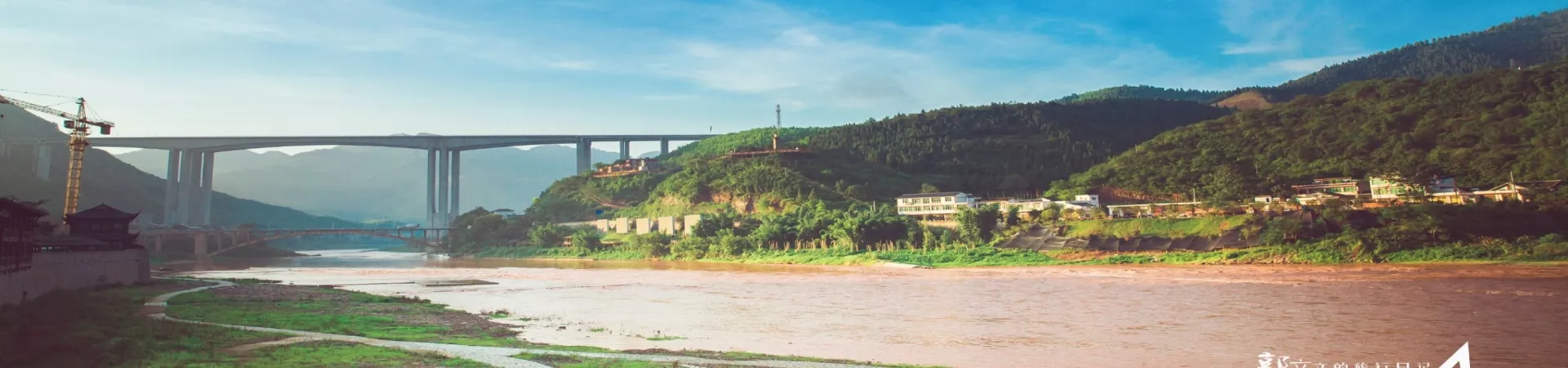
1. Introduction to the Chishui River Region Nestled along the southern bank of the mighty Chuan River, the Chishui River carves its path through a uniquely significant corner of Southwest China. Its basin straddles the intersecting borders of three provinces—Yunnan, Guizhou, and Sichuan—creating a cultural and geographical melting pot. The river's name, "Chishui," meaning "Red Water," is derived from its distinctive reddish-yellow hue, a result of the high sediment load it carries from the region's distinctive purplish sandstone soils. This characteristic color is not merely a visual trait but a symbol of the land's richness, intimately connected to its most famous product. More than just a waterway, the Chishui River is the lifeblood of a region celebrated for its dramatic natural scenery, pioneering eco-tourism infrastructure, and, most famously, as the undisputed cradle of China's finest distilled spirits.
2. The Chishui Valley Tourist Highway: A Scenic Adventure Corridor 2.1. A Pioneering Infrastructure Project Flanking the river is one of China's most innovative tourism developments: the Chishui Valley Tourist Highway. Recognized as the nation's first dedicated valley tourism road, this project has masterfully transformed accessibility to the region's beauty. It was designed not as a mere transit route but as an integrated experiential corridor, setting a benchmark for sustainable tourism infrastructure in China.
2.2. Facilities for Every Traveler The highway is meticulously equipped to cater to diverse visitors. A dedicated, smooth bicycle lane allows cyclists to immerse themselves in the landscape at a leisurely pace, passing by towering cliffs, lush bamboo forests, and traditional villages. Strategically located campsites offer adventurers the chance to sleep under stars accompanied by the river's murmur. Numerous rest points and observation decks are scattered along the route, providing safe spaces to pause, photograph the breathtaking vistas, and simply absorb the serene atmosphere. This comprehensive approach ensures that exploration by car, bike, or foot is comfortable, safe, and deeply engaging.
3. The "River of Fine Spirits": A Cultural and Economic Lifeline 3.1. The Title of "China's Moutai River" Beyond its scenic splendor, the Chishui River holds a legendary status in Chinese culture as the "River of Fine Spirits" or "China's Moutai River." Its unique waters, filtered through local red sandstone and enriched with specific minerals, combined with the region's particular humid microclimate, create an environment impossible to replicate elsewhere. This terroir is absolutely essential for the production of jiu, or Chinese distilled spirits.
3.2. A Constellation of World-Famous Brands It is here that the world's most valuable spirit, Moutai (Maotai), is born. However, the river's blessings extend far beyond a single brand. The entire middle and lower reaches of the Chishui basin are home to a constellation of prestigious distilleries. Renowned names like Langjiu, Xijiu, Dongjiu, and Luzhou Laojiao all depend on this same precious water source. Each town along the river often has its own signature brew, contributing to a rich tapestry of flavors and traditions. The air in towns like Maotai in Renhuai City is often perfumed with the sweet, fermented aroma of grains, a testament to the industry that defines the local economy and identity. Visiting this region offers a profound insight into a centuries-old craft that is central to Chinese social rituals, business, and heritage.
4. Practical Information for Visitors 4.1. Operating Hours and Accessibility A significant advantage for travelers is the area's flexibility. The Chishui Valley Tourist Highway, its observation points, and the general river valley scenery are accessible 24 hours a day, with no official closing time. This allows for spontaneous visits and the opportunity to witness the landscape under different lights—from misty mornings to golden sunsets. Of course, specific facilities along the route, such as visitor centers, museums (like those at distilleries), or equipment rental shops, will maintain their own business hours, typically from around 8:00 or 9:00 AM to 5:00 or 6:00 PM.
4.2. Travel Planning Considerations When planning a visit, it is advisable to allocate multiple days to fully appreciate the scope of the region. Key activities might include a scenic drive or bike ride along the tourist highway, a curated tour of one of the major distilleries (bookings often required in advance), and hikes in the nearby Chishui Danxia Scenic Area, known for its spectacular waterfalls and red rock formations. The region enjoys a subtropical humid monsoon climate, with pleasant springs and autumns being the most comfortable seasons for outdoor exploration. Summers are warm and rainy, adding to the river's flow and the landscape's vibrancy, while winters are mild but can be damp.