Chinese Nuo City
Subtitle: Unveiling the Mysteries of China Nuo City: A Cultural Journey into Ancient Rituals and Folk Traditions
Introduction: A Gateway to the Nuo Universe
Nestled within the verdant, rolling landscapes of Zunyi, Guizhou Province, lies a unique cultural destination that transcends the typical tourist experience: China Nuo City (中国傩城). This is not merely a park or a museum; it is a living, breathing portal into one of China's oldest and most mystical folk traditions—Nuo culture. For the discerning traveler seeking depth, authenticity, and a connection to the primordial roots of Chinese civilization, China Nuo City offers an unparalleled immersive journey. It is a place where history, mythology, ritual, and art converge, presenting the ancient Nuo tradition, often called the "living fossil of Chinese drama," in a comprehensive and accessible format. Here, the masks of deities and spirits are not just artifacts behind glass; they are keys to understanding a worldview where humans, nature, and the supernatural are intimately intertwined.
1. The Essence of Nuo Culture: More Than Meets the Eye
To fully appreciate China Nuo City, one must first grasp the profound significance of Nuo itself. Dating back over 3,000 years, Nuo is a complex system of ritualistic practices aimed at exorcising evil spirits, warding off pestilence, praying for blessings, and ensuring peace and prosperity.
1.1. Ritual and Performance: The Nuo Opera At its core is Nuo opera (傩戏), a dramatic form that blends ritual, music, dance, and acrobatics. Performers don elaborate, often fearsome-looking wooden masks, each representing specific gods, historical figures, or demons. Through stylized movements and chants, they enact stories that bridge the human and spiritual realms. These performances were traditionally held during festivals, harvest times, or to address communal crises, serving as both communal entertainment and a vital spiritual safeguard.
1.2. The Symbolism of the Mask The mask is the soul of Nuo. Carved from wood and painted in bold, symbolic colors, each mask is believed to be invested with spiritual power. When a performer wears it, they are thought to temporarily become the entity it represents. This transformation is central to the ritual's efficacy, allowing for direct communication with the divine or the demonic.
2. Exploring China Nuo City: A Themed Immersion
China Nuo City is meticulously designed to guide visitors through every facet of this ancient culture. The complex is structured into distinct thematic zones, each offering a different layer of understanding and experience.
2.1. The Nuo Culture Exhibition Hall Begin your journey here. This hall serves as the intellectual foundation, housing a vast collection of Nuo masks, costumes, ritual tools, and historical documents from across China, especially the rich ethnic communities of Guizhou. Detailed explanations and multimedia displays contextualize the artifacts, tracing the evolution of Nuo from its shamanistic origins to its varied regional forms. It's a crucial first stop to decode the symbolism you will encounter throughout the city.
2.2. The Ancient Nuo Temple and Altar The spiritual heart of the complex. This area is designed based on traditional Nuo ritual spaces. The temple enshrines statues of major Nuo deities, while the altar is an open-air site where simplified versions of grand Nuo ceremonies are periodically reenacted. The architecture and atmosphere here are solemn and awe-inspiring, offering a sense of the sacred gravity these rituals held for ancient communities.
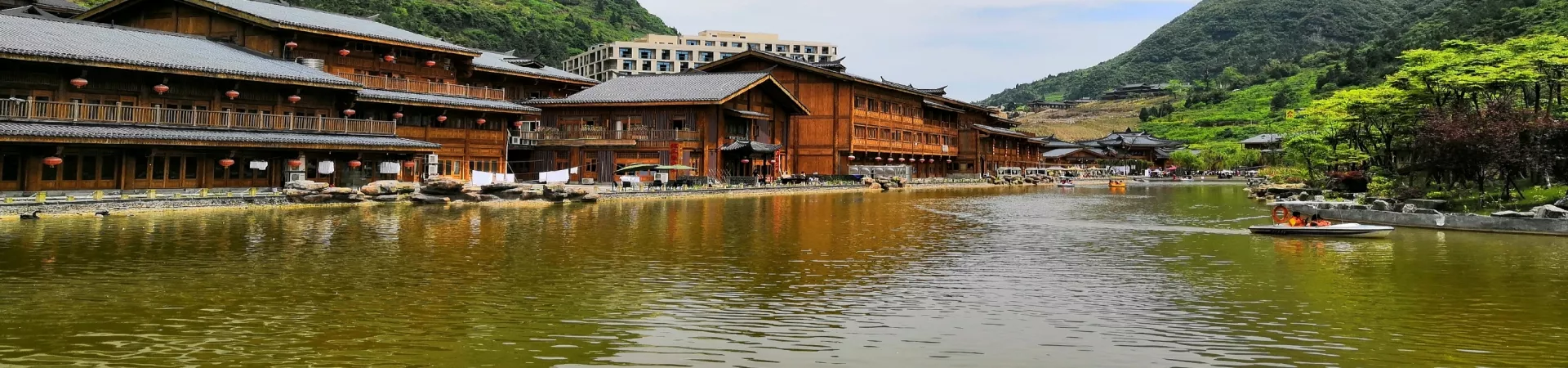
2.3. The Folk Custom Experience Zone This is where culture comes alive. The zone replicates an ancient village street, bustling with artisans and practitioners. Visitors can watch master craftsmen carve masks or create ritual paper-cuttings, try their hand at simple crafts, or sample local Guizhou snacks. The immersive environment, with its period-style buildings and dressed performers, effectively transports you back in time.
2.4. The Grand Nuo Performance Theater The undeniable highlight of any visit. The city hosts daily, large-scale stage performances of Nuo opera. These are not mere snippets but full-fledged epic dramas featuring dozens of performers in stunning regalia. The powerful drumming, haunting music, intricate choreography, and the mesmerizing gaze of the masks create a spectacular and unforgettable sensory experience that embodies the raw energy and artistic brilliance of the tradition.
3. Practical Information for Visitors
To ensure a smooth and enriching visit, please note the following essential details.
3.1. Location and Accessibility China Nuo City is located within the Daozhen Gelo and Miao Autonomous County, under the administration of Zunyi City, Guizhou Province. It is approximately a 3-4 hour drive from Guizhou's capital, Guiyang. The site is best reached by private car or arranged tour bus. The scenic drive through Guizhou's karst mountains is a fitting prelude to the journey.
3.2. Operating Hours The park is open daily from 8:30 AM to 6:00 PM. The last admission is at 6:00 PM. It is advisable to arrive early, as the site is extensive and the major theatrical performances are typically scheduled in the afternoon. Allowing 4-6 hours for a thorough exploration is recommended.
3.3. Visitor Tips and Recommendations * Timing Your Visit: Align your visit with the performance schedule. The grand theater show is a must-see, and planning your day around it is crucial. * Engagement: Don't be a passive observer. Ask questions at the craft workshops, interact with the performers (where appropriate), and contemplate the meanings behind the masks. * Cultural Sensitivity: Remember that Nuo has deep religious and ritual roots. Maintain a respectful demeanor, especially in temple and altar areas. Photography is usually permitted, but avoid using flash during performances and be mindful of signs. * Contact: For specific inquiries regarding performance times, group bookings, or special events, you may contact the management at 191 1515 5665.
4. The Lasting Impact: Beyond the Visit
A trip to China Nuo City does not end at the exit gate. It offers a profound perspective on the diversity and depth of Chinese folk culture, one that often lies beyond the well-trodden paths of imperial history and major metropolises. It challenges visitors to see China through the lens of its grassroots spiritual beliefs and communal artistic expressions. In an age of rapid modernization, places like China Nuo City play a vital role in preserving intangible cultural heritage, not as a static exhibit, but as a dynamic, living experience. The echoes of the ritual drums, the vivid memory of the masks, and the understanding of a culture that sought harmony between seen and unseen worlds will linger long after your departure, enriching your perception of China's vast and multifaceted cultural tapestry.