Hong Kong-Zhuhai-Macao Bridge
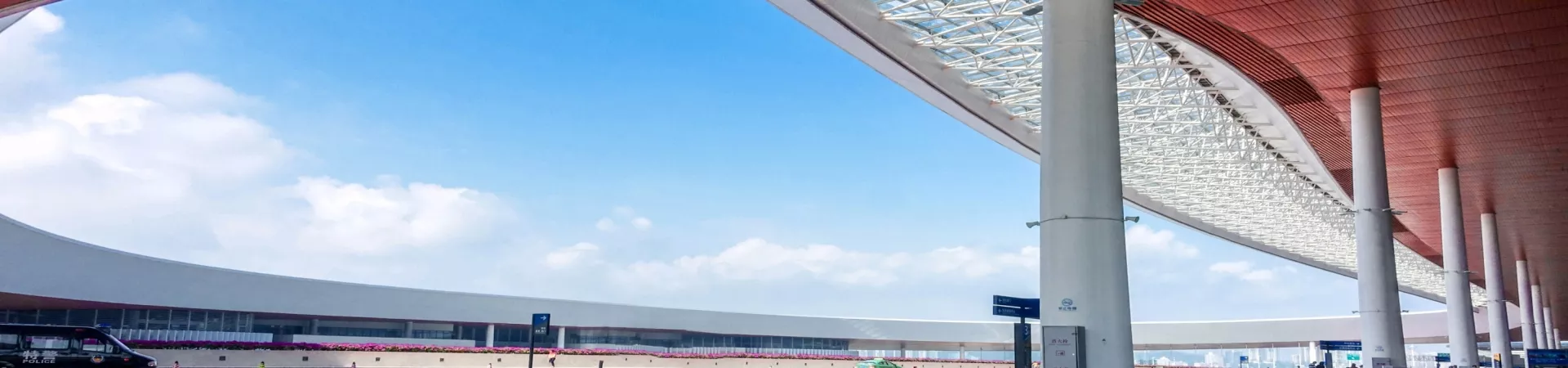
Subtitle: An Engineering Marvel Connecting Three Major Cities
1. Introduction: The Bridge of Ambition
Spanning the vast expanse of the Lingdingyang waters in the Pearl River Estuary, the Hong Kong-Zhuhai-Macao Bridge (HZMB) stands as a monumental testament to human ingenuity and a pivotal piece of infrastructure in China's Greater Bay Area. More than just a bridge, it is an integrated 55-kilometer system of bridges, artificial islands, and an undersea tunnel, designed to seamlessly connect the three vibrant and distinct regions of Hong Kong, Zhuhai, and Macao. As the southern section of the Pearl River Delta Regional Expressway Ring, it has dramatically reshaped the geography of travel, transforming what were once lengthy ferry journeys into a swift, scenic, and reliable drive. For any visitor to Southern China, experiencing or even glimpsing this megastructure is a must, offering a profound sense of the scale of modern engineering.
2. Planning Your Visit: Practical Information
2.1. Getting There (Zhuhai Side) For visitors based in Zhuhai aiming to access the bridge or simply view its imposing structure from the port area, public transportation is readily available. You can take several public bus routes, including numbers 3, 12, 23, or 25, and alight at the "Bridge Port Hub" bus station (大桥口岸枢纽公交站). From there, it is a short walk to the port complex. It is important to note that private vehicles and most rental cars require special permits to cross the bridge. Most tourists access the bridge via officially licensed shuttle buses, coaches, or private hire vehicles with the appropriate cross-border documentation.
2.2. Crossing Times and Connectivity The bridge's primary function is to slash travel times across the estuary. The journey from the Zhuhai port to the Hong Kong port typically takes approximately 30 to 40 minutes by road, depending on traffic and clearance procedures. Similarly, the connection from Macao to Hong Kong is reduced to around 30 minutes. This efficiency has unlocked unprecedented day-trip possibilities and deeper regional integration.
2.3. Visitor Access, Fees, and Hours Direct pedestrian access on the bridge itself is not permitted; crossing is exclusively for authorized vehicles. However, the bridge's scale makes it a spectacular sight from various vantage points along the coasts of Zhuhai, Macao, and Hong Kong. There is no "ticket" or fee to view the bridge from public areas. The transportation facility operates 24 hours a day, 7 days a week, ensuring constant connectivity. The best times for viewing and photography are during daylight hours for clarity, or at dusk when the bridge's lights begin to glitter against the darkening sky.
3. Engineering and Design: A Closer Look at the Marvel
3.1. The Triple Structure: Bridge, Islands, Tunnel The HZMB is not a single continuous bridge. Its design is a sophisticated response to environmental and navigational challenges. It consists of three key sections: the Hong Kong Link Road, the Main Bridge in Chinese waters, and the Macao Link Road. The most celebrated engineering feat is the 6.7-kilometer immersed tube tunnel, the world's longest sea tunnel, which dips beneath the main shipping channel to allow the passage of large vessels. This tunnel is connected to the bridges via two artificial islands, each measuring approximately 100,000 square meters, which were constructed offshore.
3.2. Overcoming Immense Challenges Engineers faced and overcame a daunting array of challenges: the soft seabed of the estuary, the region's vulnerability to typhoons, the need to ensure maritime safety in one of the world's busiest waterways, and the ecological protection of the surrounding marine environment, particularly the Chinese white dolphin habitat. The solutions involved groundbreaking techniques in prefabrication, deep-sea precision installation, and the use of durable materials designed to last for more than a century.
4. Significance and Impact: Beyond Transportation
4.1. Catalyzing the Greater Bay Area The bridge is far more than a transportation corridor; it is a strategic backbone for the Guangdong-Hong Kong-Macao Greater Bay Area development plan. By physically and symbolically linking a global financial hub (Hong Kong), a world center of tourism and leisure (Macao), and a rising innovation and manufacturing center in the mainland (Zhuhai and the wider Pearl River Delta), it fosters economic complementarity, facilitates the flow of people, goods, and capital, and accelerates the creation of a unified, world-class city cluster.
4.2. A Symbol of Collaborative Vision The project stands as a landmark of cross-border cooperation between the Special Administrative Regions of Hong Kong and Macao and mainland China. It represents a shared vision for the future, demonstrating an extraordinary capacity for long-term planning and execution. For visitors, it offers a tangible, awe-inspiring example of this collaborative spirit and ambition.
Information last updated: August 30, 2023. Credit and thanks to contributing editors from the travel community.