Ye's Manor
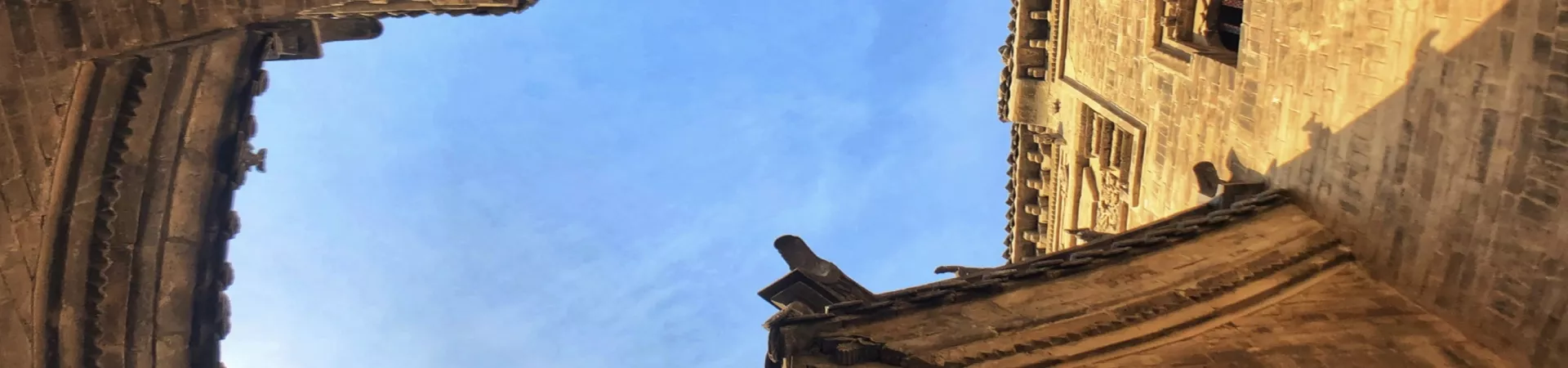
Subtitle: A Journey Through Time: Unveiling the Grandeur of the Ye Family Manor in Zhoukou
1. Introduction: A Hidden Gem in the Central Plains
Nestled in the historic city of Zhoukou, in China's Henan province, lies a magnificent testament to the architectural prowess and economic might of late imperial China: the Ye Family Manor (叶氏庄园). Far from the well-trodden tourist paths of Beijing or Shanghai, this sprawling complex offers an unparalleled, intimate glimpse into the world of a powerful merchant clan. It stands not merely as a collection of old buildings, but as a silent narrator of ambition, wealth, cultural refinement, and the intricate social fabric of its time. For the discerning traveler seeking authenticity and historical depth, a visit to the Ye Manor is a journey into the heart of China's merchant aristocracy.
2. Historical Context and Rise of the Ye Clan
2.1. From Humble Beginnings to Mercantile Empire The story of the manor is inextricably linked to the Ye family's phenomenal rise. Their fortune was built not on land ownership alone, but on astute commerce and logistics. The family's patriarchs capitalized on Zhoukou's strategic location at the confluence of several rivers, turning it into a hub for trade and transportation. Through the salt trade, banking (known as piaohao), and other ventures, the Ye family amassed colossal wealth throughout the 18th and 19th centuries.
2.2. An Architectural Statement of Power and Permanence With great wealth came the desire for legacy and social standing. Constructed over a period spanning from the Qianlong era to the late Qing Dynasty (roughly 1796 to 1905), the manor was a physical manifestation of the family's success. In a society where merchants were officially ranked below scholars and bureaucrats, building such an opulent and culturally sophisticated estate was a powerful, non-verbal claim to prestige and influence. It served as their fortress, their boardroom, and their stage for receiving important guests.
3. Architectural Layout and Design Philosophy
3.1. The Overall Structure: A City Within a City The Ye Family Manor is an awe-inspiring complex covering approximately 2 hectares. It is meticulously designed as a series of interconnected courtyards, following the strict, symmetrical principles of Chinese feudal architecture while incorporating formidable defensive features. The estate is famously divided into three main sections, known as the "One, Three, and Five" courtyards, each representing a phase of expansion and serving different branches or functions of the family.
3.2. Defensive Ingenuity: A Fortified Residence One of the most striking aspects of the manor is its defensive character, unusual for a civilian residence. Reflecting the turbulent times of the late Qing, the complex is surrounded by high, thick walls, complete with battlements and watchtowers. Its narrow, winding alleyways and heavy, iron-clad gates were designed to confuse and deter bandits. This fusion of luxurious living with military-style fortification is a key defining feature.
3.3. Artistic Details and Symbolic Motifs Beyond its imposing scale, the manor delights in its exquisite craftsmanship. Every element carries meaning: * Roof Figurines: The ridges of the roofs are adorned with intricate clay figurines depicting mythological creatures, historical scenes, and symbols of good fortune. * Wood and Stone Carvings: Door frames, window lattices, and pillar bases feature breathtaking carvings of bats (symbolizing happiness), deer (wealth), cranes (longevity), and floral patterns, showcasing the artistry of Henan craftsmen. * Inscriptions and Couplets: Elegant calligraphic inscriptions and poetic couplets are found throughout, reflecting the family's aspiration for scholarly recognition and their cultural values.
4. Exploring the Manor's Functional Spaces
4.1. The Main Halls and Reception Courts The central courtyards house the grandest halls, such as the main reception hall. These spaces were used for formal family ceremonies, hosting dignitaries, and conducting major business. High ceilings, massive beams, and elegantly furnished interiors conveyed authority and welcome in equal measure.
4.2. Residential Quarters and Private Gardens Moving deeper into the complex, one finds the more private living quarters for family members. These areas, while still ornate, are arranged to provide comfort and privacy. Small, secluded gardens with miniature landscapes, potted plants, and quiet pavilions offered serene retreats for study and contemplation away from the bustle of business.
4.3. Operational and Service Areas The manor was a self-sufficient ecosystem. Visitors can explore the ancient kitchens, storage warehouses, accounting rooms, and servants' quarters. These areas highlight the immense daily logistics required to run a household of this scale, supporting hundreds of family members, staff, and guards.
5. Practical Information for Visitors
5.1. Location and Accessibility The Ye Family Manor is located in Shangshui County, under the administration of Zhoukou City, Henan Province. It is best accessed by car or hired taxi from Zhoukou's city center or major transport hubs. The journey offers views of the rural Henan landscape.
5.2. Opening Hours and Admission The manor's opening hours vary seasonally to accommodate daylight and visitor patterns. * Peak Season (March 16 - November 14): Open from 8:30 AM to 6:00 PM, with last admission at 5:30 PM. It is closed on Mondays during this period. * Low Season (November 15 - March 15): Open from 8:30 AM to 5:30 PM, with last admission at 5:00 PM. It is closed on Mondays during this period. It is highly advisable to confirm these details before your visit, as schedules can be subject to change.
5.3. Suggested Itinerary and Tips A comprehensive visit requires at least 2-3 hours. Start from the outermost gates to appreciate the defensive structure before moving inward through the sequential courtyards. Pay close attention to the carvings and architectural details. Engaging a local guide (often available on-site) is recommended to fully understand the historical context and hidden stories behind the walls. Wear comfortable shoes for walking on ancient stone paths.