Ji Hongchang Memorial Hall
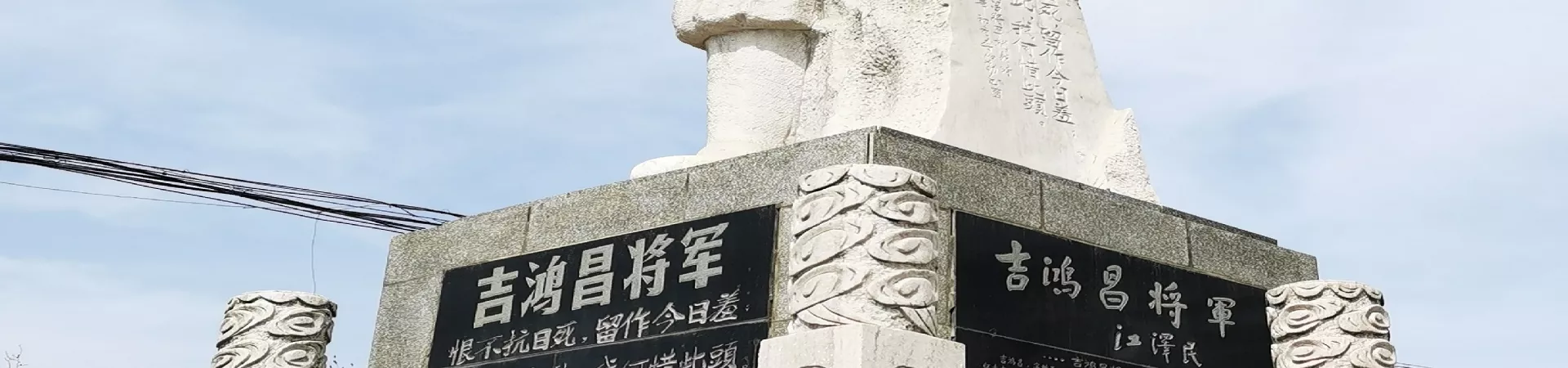
Subtitle: A Journey Through the Life and Legacy of a National Hero
1. Introduction Nestled in the historic city of Zhoukou, Henan Province, the Ji Hongchang Memorial Hall stands as a profound testament to one of modern China's most revered patriotic figures. More than just a museum, it is a sacred space dedicated to preserving the memory, spirit, and unwavering ideals of General Ji Hongchang—a national hero celebrated for his immense courage, integrity, and ultimate sacrifice in the fight against Japanese aggression and for the nation's liberation. For domestic and international visitors alike, the memorial offers a deeply moving and educational experience, bridging historical narrative with human resilience. This guide provides a detailed overview to help you plan a meaningful visit, encompassing the site's significance, practical information, and the poignant story it safeguards.
2. The Life and Legacy of Ji Hongchang 2.1. From Humble Beginnings to Military Service Ji Hongchang was born in 1895 in Fugou County, under the jurisdiction of Zhoukou. His early life was marked by hardship, which forged a strong character and a deep empathy for the common people. He joined the military at a young age, initially serving in the warlord armies of the early Republican period. However, his innate sense of justice and patriotism soon led him on a different path. He distinguished himself through his bravery and leadership, gradually rising through the ranks, but became increasingly disillusioned with the corruption and internal strife plaguing the forces he served in.
2.2. A Turning Point: The War of Resistance The outbreak of full-scale conflict with Japan in 1937 became the defining chapter of Ji Hongchang's life. He passionately advocated for national unity against the foreign invader and actively participated in the resistance. His military acumen and personal valor earned him widespread respect. Beyond his battlefield contributions, he was known for his strict discipline, care for his soldiers, and his unwavering principle of serving the country and its people above all else. He became a symbol of the resilient spirit of the Chinese resistance.
2.3. Martyrdom and Immortal Words In 1940, following a fierce battle, Ji Hongchang was captured by Japanese forces. Despite enduring severe torture and imprisonment, he refused to yield or collaborate. His steadfastness in the face of brutality epitomized his unbreakable will. He was executed in 1941. His final words, reportedly a defiant and patriotic poem etched on the prison wall with a piece of charcoal, have echoed through generations. The most famous line, "恨不抗日死,留作今日羞。国破尚如此,我何惜此头。" (I regret only that I did not die fighting the Japanese, leaving today's shame. If my country is broken like this, why should I begrudge this head?), encapsulates his supreme sacrifice and has immortalized him as a martyr.
3. Planning Your Visit to the Memorial Hall 3.1. Location and Accessibility The Ji Hongchang Memorial Hall is located in Zhoukou City, Henan Province. The city is accessible by major highways and rail lines. Visitors can typically reach Zhoukou by high-speed train or long-distance bus from provincial capitals like Zhengzhou. Local taxis or public buses can then take you to the memorial site. It is advisable to use a reliable map application for the most current navigation details.
3.2. Opening Hours and Ticketing The memorial hall operates on a seasonal schedule. It is generally closed for maintenance on Monday mornings year-round, but opens in the afternoon during certain seasons.
- Winter Season (December 1 - February 28/29):
- Tuesday - Sunday: 8:30 AM - 12:00 PM (Morning Session), 2:30 PM - 5:30 PM (Afternoon Session). Last admission is at 11:30 AM for the morning session and 5:00 PM for the afternoon session.
- Monday: Open all day.
- Summer Season (June 1 - August 31):
- Tuesday - Sunday: 8:00 AM - 12:00 PM (Morning Session), 3:00 PM - 6:00 PM (Afternoon Session). Last admission is at 11:30 AM for the morning session and 5:30 PM for the afternoon session.
- Monday: Open all day.
- Spring/Autumn Seasons (March 1 - May 31 & September 1 - November 30):
- It is recommended to confirm the specific hours for these transitional periods by contacting the memorial directly.
Admission to the memorial hall is usually free of charge, but visitors may need to register with a valid ID at the entrance. It is always wise to confirm this policy before your visit.
3.3. Contact Information For the most accurate and up-to-date information regarding special events, temporary closures, or group visits, you can contact the memorial hall administration: * Telephone: 0394-8278673; 0394-6235689
4. The Memorial Hall Experience 4.1. Architectural Layout and Atmosphere The memorial hall complex is designed with solemnity and reverence. The architecture often incorporates traditional elements, creating a serene and contemplative environment. The grounds may include statues, commemorative steles, and tranquil courtyards that guide visitors from the modern world into the reflective space of history.
4.2. Key Exhibits and Collections The core of the visit lies within the exhibition halls. Through a rich array of artifacts, photographs, documents, and multimedia presentations, the museum meticulously narrates Ji Hongchang's life journey.
- Personal Effects: Display cases may contain his military uniforms, personal seals, letters, and everyday items, offering an intimate glimpse into the man behind the legend.
- Historical Documents: Official orders, handwritten notes, and newspapers from the era provide crucial context to his military campaigns and political stance.
- Themed Exhibition Zones: The halls are typically organized chronologically or thematically, covering his early life, military career, pivotal role in the War of Resistance Against Japan, his imprisonment, and his martyrdom.
- The Prison Cell Replica: A particularly powerful exhibit is often a recreation of his prison cell, where his final, defiant poem is displayed. This space serves as the emotional heart of the memorial, powerfully conveying the weight of his sacrifice.
4.3. Educational and Reflective Spaces Beyond the historical narrative, the memorial serves as an active center for patriotism education. It features auditoriums for documentary screenings and lecture halls for academic discussions. For many visitors, the most significant moment is one of quiet reflection—standing before his statue or final words, contemplating the meanings of courage, duty, and national identity. The memorial hall does not merely present facts; it invites a personal connection to the values Ji Hongchang embodied, ensuring that his legacy continues to inspire and resonate in the present day.