Yunshui Folk Town
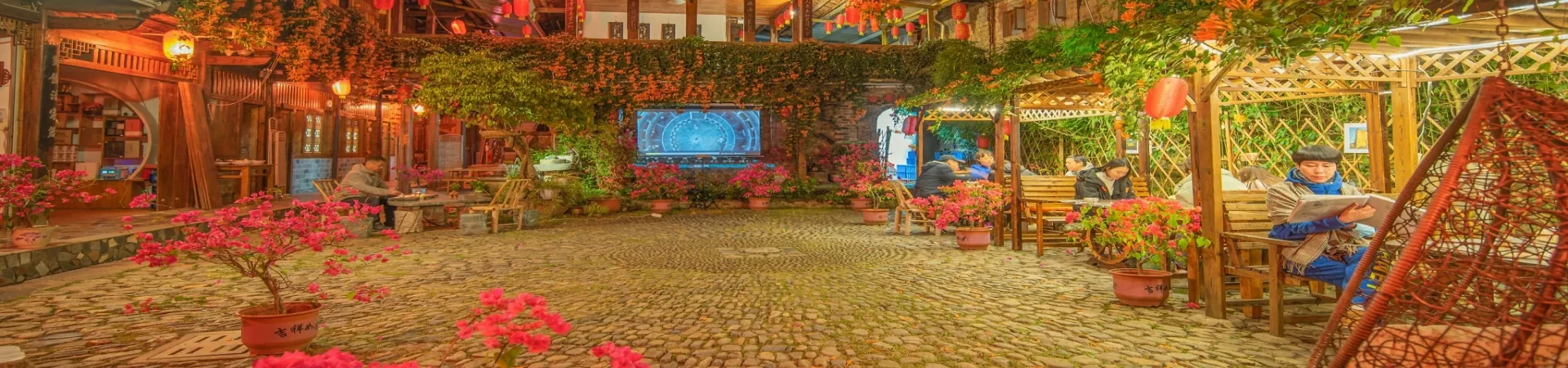
Subtitle: A Journey Through Time in the Misty Waters and Ancient Earth Towers of Fujian
1. Introduction: From Changjiao to Yunshuiyao – A Village Transformed by Cinema
Nestled in the lush, mountainous region of Zhangzhou, Fujian Province, lies a picturesque locale that seems suspended between poetic legend and tangible history. This is Yunshuiyao Ancient Town, a place whose very name evokes images of drifting clouds and murmuring streams. Its story is one of quiet longevity and sudden cinematic fame. For centuries, it was known simply as Changjiao Village, an ancient settlement cherished for its serene ambiance, age-old pathways, majestic banyan trees, and the unique earthen Tulou buildings. The turning point arrived in 2005 when the village was chosen as the primary filming location for the romantic movie Yunshuiyao, adapted from the novel Searching. The film's profound success cast a national spotlight on this hidden gem, leading the village to officially adopt the movie's enchanting name. Today, Yunshuiyao offers visitors a captivating blend of authentic rural Hakka culture, breathtaking natural scenery, and a tangible touch of cinematic history, making it far more than just a film set—it is a living museum and a landscape painting come to life.
2. Exploring the Timeless Landscape: Key Features and Attractions
2.1. The Ancient Pathway and the Guardian Banyans The soul of Yunshuiyao is its central, time-worn flagstone path that meanders alongside a crystal-clear stream. Flanking this centuries-old trail is a breathtaking procession of over a dozen ancient banyan trees, their sprawling roots gripping the earth and their vast canopies creating cathedral-like vaults of green. Some of these arboreal giants are well over a hundred years old, standing as silent, steadfast witnesses to the village's entire modern history. Their imposing presence provides not only shade and coolness but also a profound sense of peace and continuity, setting the tone for the entire visit.
2.2. The Old Street and Traditional Shopfronts Lining the ancient pathway is a row of two-story buildings that constitute the old market street. These structures, built with traditional brick and wood architecture, date back hundreds of years and whisper tales of a bustling commercial past. A distinctive architectural feature preserved here is the use of long, removable wooden planks as walls for the ground-floor shopfronts. Each morning, these planks would be taken down to open the business to the street, and each evening, slotted back into place for security. While many shops now cater to tourists, this classic architectural detail remains, offering a genuine glimpse into the historical daily life and commercial practices of the town.
2.3. The Iconic Waterwheel: A Relic of Reel Life A direct and charming legacy of the 2005 film is the large wooden waterwheel that stands gracefully by the stream. Built originally as a movie prop for Yunshuiyao, it was left in place after filming and has since become the unofficial symbol of the town. Its rustic silhouette against the backdrop of old trees and flowing water is one of the most photographed scenes in Yunshuiyao, perfectly bridging the village's real history with its cinematic romance.
2.4. The Majestic Tulou: Stars of the Countryside While the stream and old street form the village's spine, the true architectural wonders are scattered around its periphery. Dotting the foothills, riverbanks, and open fields are numerous Tulou, the extraordinary fortified earth buildings unique to the Hakka people of Fujian. These large, enclosed structures, built from a mixture of earth, stone, bamboo, and wood, are marvels of communal living and defensive architecture. They appear circular, square, or even oval, rising several stories high with thick walls and a single entrance. Seeing these UNESCO World Heritage-listed buildings rising from the rural landscape is a highlight. Some, like the elegant Hegui Lou (a rectangular tulou with a surprising trapezoidal shape) or the sturdy Huaiyuan Lou, are located within easy walking distance of the old street and are often open for visitors to explore their intricate inner courtyards and learn about Hakka culture.
3. Essential Visitor Information
3.1. Admission Fees A combined entrance ticket is required to visit Yunshuiyao Ancient Town and its surrounding Tulou. * General Admission: Approximately 90 RMB. * Concession Tickets (approx. 45 RMB): Available for full-time students (with valid ID), teachers (with teacher's certificate), children aged 6-18, and seniors aged 60-69. * Free Admission: Granted to children under 6 years old or under 1.2 meters in height, and seniors aged 70 and above (with valid ID). * Note: Prices are for reference. It is always advisable to check for the latest fees at the official ticket office or website before your visit.
3.2. Opening Hours The town is generally open to visitors daily from 8:00 AM to 6:00 PM, with last admission typically at 6:00 PM. Operating hours may be subject to change during holidays or special circumstances.
3.3. Suggested Duration of Visit To fully appreciate the ancient pathway, old street, key Tulou buildings, and the relaxed atmosphere, a minimum of 3 to 4 hours is recommended. Visitors with a deep interest in photography, architecture, or who wish to explore at a leisurely pace may easily spend half a day or more.
4. Planning Your Journey: Transportation Guide
Reaching Yunshuiyao involves a scenic journey into the rural highlands of Fujian. Here are the primary options:
4.1. From Xiamen * Direct Bus: The most straightforward route from the popular tourist city of Xiamen is to take a direct long-distance bus from the Xiamen Hubin South Long-Distance Bus Station. Buses headed for Yunshuiyao take about 3.5 hours and cost around 55 RMB. This is a convenient choice for those based in Xiamen.
4.2. From Nanjing County (the closest railway hub) * Train & Transfer: The nearest major transport node is Nanjing Railway Station. Upon arrival: * Tourist Shuttle: Look for the dedicated tourist buses outside the station. These depart approximately every hour for the 1.5-hour journey to the Yunshuiyao scenic area. * Local Bus Transfer: Alternatively, take a short taxi or local bus to the Nanjing Bus Station, and from there, transfer to a specialized Tulou tourist line bus. * Private Car/Taxi: For maximum flexibility and comfort, especially for small groups, hiring a private car or taxi for the day from the station is a popular and efficient option, allowing you to control your schedule.
The journey itself, winding through tea plantations and bamboo forests, is an integral part of the experience, building anticipation for the timeless beauty of Yunshuiyao Ancient Town.