Taxia Village
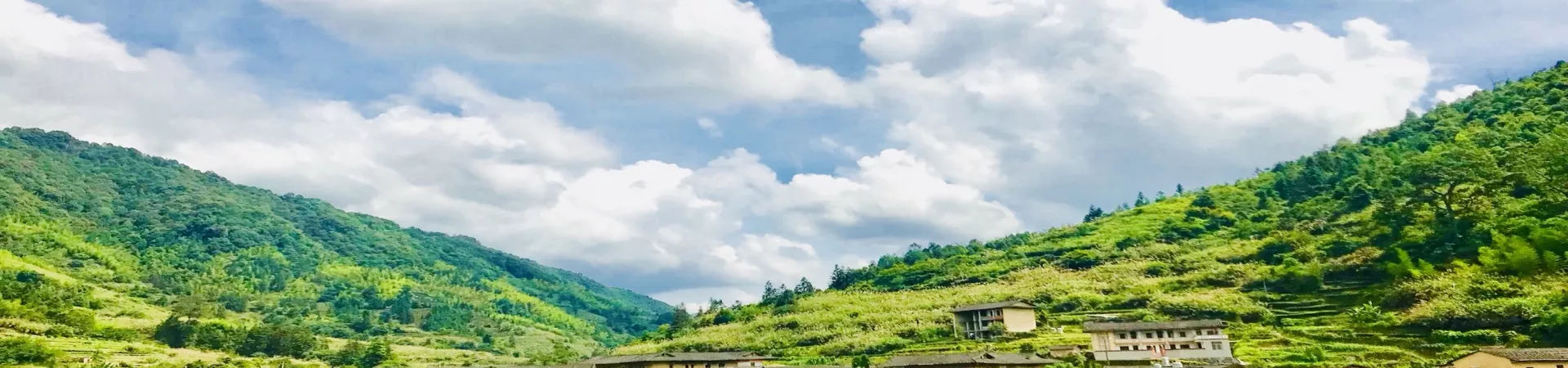
Subtitle: A Journey Through Time and Tradition in the Heart of Hakka Culture
1. Introduction: The Enchanting Village by the Stream
Nestled within the lush, rolling hills of Fujian Province's Zhangzhou region, Taxia Village is not merely a destination; it is a living canvas where nature, architecture, and centuries-old culture blend in perfect, serene harmony. This ancient Hakka settlement, strategically built along the gentle curves of a clear, meandering stream, offers a profound escape from the modern world. It is a place where every cobblestone path, every weathered brick, and the soft murmur of flowing water tells a story of communal resilience, architectural ingenuity, and a deep reverence for feng shui principles. More than just a component of the famed Fujian Tulou sites, Taxia Village distinguishes itself with an exceptional pastoral beauty, earning its poetic reputation as a "Tai Chi" water village. A visit here is an immersive journey into the soul of the Hakka people, best experienced with a leisurely pace and an observant eye.
2. The Soul of the Village: Architecture and Ambiance Along the Stream
2.1. A Riverside Stroll Through History The quintessential Taxia experience begins with a walk along its central waterway. The village layout is a masterpiece of organic planning, with traditional Hakka dwellings, constructed from rammed earth, wood, and blue-gray bricks, rising directly from the stream's banks. As you amble along the pebble-strewn paths, you are flanked by these solemn, multi-storied buildings. Ornate stone arch bridges periodically cross the stream, connecting the two halves of the community and providing picturesque frames for photography. The air is filled with the soothing sounds of water and the gentle hum of daily village life. This intimate setting allows you to appreciate the harmonious coexistence of human habitation and the natural environment, a cornerstone of Hakka philosophy.
2.2. A Diverse Tapestry of Tulou While Taxia is part of the UNESCO World Heritage-listed Fujian Tulou, its collection stands out for its remarkable variety. Beyond the common circular (yuanlou) and square (fanglou) earth buildings, the village showcases more unusual silhouettes that demonstrate the adaptability and creativity of Hakka builders. Look for the distinctive "apron-shaped" and "carpenter's square" (L-shaped) tulou, each design tailored to specific family needs, topographical challenges, and symbolic beliefs. This architectural diversity within a single village offers a unique, condensed overview of tulou evolution and design principles.
2.3. The Iconic "Tai Chi" Panorama The village's most breathtaking spectacle reveals itself from above. At a bend in the stream, two majestic circular tulou are positioned opposite each other, their robust, concentric forms reflected in the water. The stream itself curves gracefully between them, forming a natural yin-yang boundary. To witness this iconic view, a 15-minute hike up to the small hilltop viewing platform is essential. From this vantage point, the panorama unfolds like a work of art: the silvery stream forms an "S" shape, separating the two tulou which resemble the dots in the Tai Chi symbol, all set against a backdrop of emerald-green tea fields and deep forested hills. This view is not accidental but a profound expression of ancient Chinese geomancy, where the landscape is arranged to accumulate positive energy (qi).
3. Practical Information for Your Visit
3.1. Tickets and Access Access to Taxia Village is included in the Nanjing Tulou Scenic Area联票 (Combined Ticket), which is priced at 90 RMB per person. This ticket provides excellent value as it also covers entry to the magnificent Tianluokeng Tulou Cluster (the "Four Dishes and One Soup") and the fascinating Yuchang Lou (the "Leaning Tower" of tulou in Xiaban Village). The ticket is valid year-round. It is highly recommended to purchase this combined ticket to fully appreciate the scope and variety of the region's tulou heritage.
3.2. Opening Hours The village and its viewing platforms are generally open to visitors daily from 8:30 AM to 5:00 PM. These hours apply throughout the year. The morning light offers a fresh, tranquil atmosphere, while the late afternoon sun bathes the earth buildings in a warm, golden glow, ideal for photography, especially from the hilltop platform.
3.3. Planning Your Time (Duration Reference) To truly absorb the charm of Taxia, a visit of 1 to 3 hours is recommended. A brief visit of one hour allows for a walk along the main stream and a quick hike to the viewing platform. However, to delve deeper—exploring side alleys, observing local life, visiting smaller tulou interiors, and perhaps enjoying a simple meal or tea in a village home—allocating two to three hours is far more rewarding. It allows the village's slow, timeless rhythm to settle upon you.
3.4. Getting Assistance For general inquiries or assistance regarding your visit to the Nanjing Tulou area, including Taxia Village, you can contact the scenic area information line at 400-888-5111.
4. Immersive Experiences Beyond the View
While the landscape is captivating, the heart of Taxia lies in its living culture. Engage with the local residents, many of whom still inhabit these ancient buildings. You may be invited inside a tulou to see its communal courtyard, ancestral hall, and the simple, functional living quarters that line the interior walls. Notice the intricate wood carvings, the calligraphic couplets at doorways, and the sturdy fortified structure designed for defense and communal living. The village is also an excellent place to sample authentic Hakka cuisine, such as yong tofu (stuffed tofu), braised pork with preserved vegetables, and locally grown tea. Staying overnight in a guesthouse within a tulou offers an unforgettable experience, letting you witness the village's transformation under the starlit sky and wake up to the misty morning views.