Dongmen Island Scenic Area
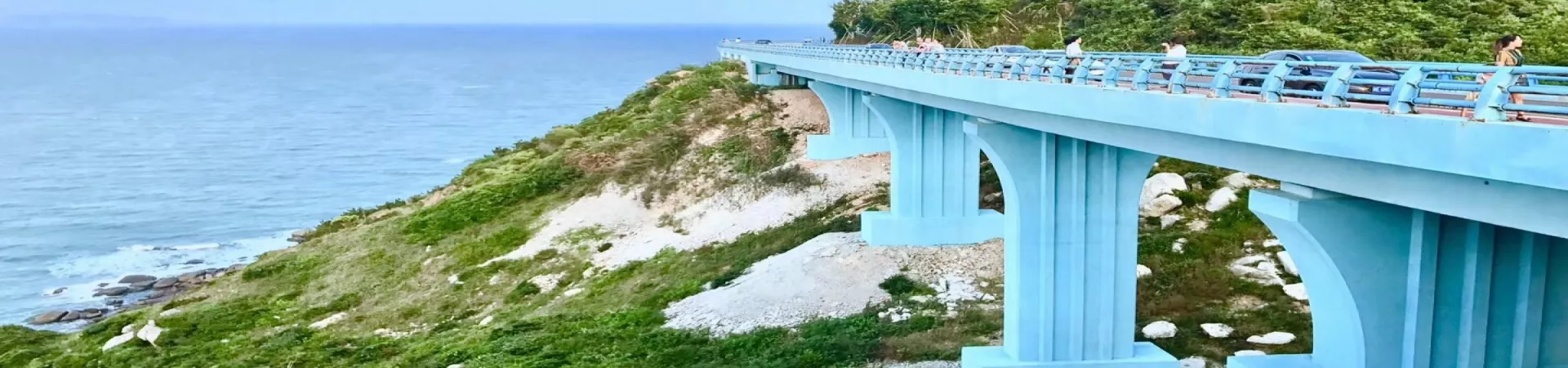
Dongmen Islet: A Hidden Gem of Fujian's Coastline
Nestled approximately one kilometer off the eastern shore of Tongshan Ancient City (in Tongling Town) on Dongshan Island, Dongmen Islet is a captivating maritime sanctuary. With a total area of nearly one square kilometer, this island is a concentrated tapestry of cultural relics, serene forests, sweet springs, and spectacular coastal geology. It holds a prestigious position as one of China's "Four Great Islets," alongside Gulangyu in Xiamen, Jiangxinyu in Wenzhou, and Lanyu in Taiwan. For visitors seeking a blend of historical exploration, natural wonder, and tranquil escape, Dongmen Islet offers a remarkably rich experience.
A Landscape Forged by Nature and History
The islet's fame rests on its harmonious combination of奇异礁石 (strange and wondrous rocks), 甘醇洞泉 (sweet spring water from caves), and 众多古迹 (numerous historical sites). This potent mix earned it a spot among Fujian Province's top ten scenic spots.
- Geological Marvels: The island is a gallery of marine erosion art. Composed of海蚀溶浆岩 (sea-eroded lava rock), the coastline and interior are dotted with bizarrely shaped rocks and crags that stir the imagination. These natural sculptures form the core of the islet's visual appeal.
- Historical Footprints: Human history is deeply etched into the landscape. The most significant site is the "云山石室" (Cloud Mountain Stone Chamber) at "鹰嘴岩" (Eagle's Beak Rock), where Huang Daozhou, a renowned Ming Dynasty scholar and statesman, spent his youth studying. The islet is also adorned with stone inscriptions left by literati and famous figures throughout various dynasties, adding layers of cultural depth.
Exploring the Islet's Treasures
Dongmen Islet is roughly shaped like the Chinese character "工" and can be divided into three main sections: the south, center, and north. Each offers distinct attractions.
The Southern Section: A Concentration of Wonders This area, comprised of several small hills, is the heart of the islet's scenic and cultural wealth. It boasts the highest density of attractions, where every turn on the tree-shaded stone paths reveals a new vista.
- Natural Formations: Here, visitors encounter a series of aptly named rock formations that seem to spring from ancient legends. Key sights include:
- 渔翁垂钓 (The Old Fisherman Angling)
- 神龟迎客 (The Divine Turtle Welcoming Guests)
- 壁虎戏象 (The Gecko Teasing the Elephant)
- 蛤蟆望天 (The Toad Gazing at the Sky)
- 鸳鸯耍猴 (The Mandarin Ducks Fooling the Monkey)
- Cultural & Historical Sites: Interspersed among the natural beauty are important man-made sites:
- 东明禅寺 (Dongming Temple): A serene Buddhist temple offering spiritual solace amidst the island's tranquility.
- 文峰塔 (Wenfeng Pagoda): The symbolic landmark of Dongmen Islet. This seven-story, octagonal, solid pagoda was built in 1526 (5th year of the Ming Jiajing reign) by Cai Chao, the Fujian Provincial Coastal Defense Officer. Perched atop the islet's highest peak at 91 meters above sea level, it provides a commanding focal point and historical anchor.
- 文昌阁 (Wenchang Pavilion) & 种德居 (Zhongde Residence): Other historical structures contributing to the area's scholarly and cultural ambiance.
The Central Section: A Sandy Interlude Serving as a natural bridge between the south and north, this segment features a approximately 200-meter-long strip of sandy beach. A windbreak forest belt divides it into two parts: * 东边沙滩 "北澳尾" (Eastern Beach - "Bei'ao Wei"): A pristine stretch of sand ideal for relaxation. * 西边沙滩 "大澳底" (Western Beach - "Da'ao Di"): Another excellent spot for swimming and playing in the gentle waves. This area offers a perfect contrast to the rocky southern section, providing space for seaside leisure and enjoyment.
The Northern Section While less detailed in common descriptions, the northern part of the islet contributes to its overall "工" character shape and offers quieter, more secluded coastal perspectives to complete the circumnavigation.
The "Natural Film Studio" Dongmen Islet's unspoiled and dramatic scenery has not gone unnoticed by the film industry. Its unique coastline, plethora of peculiar rocks, and pristine environment have made it a favored outdoor filming location for decades. Over 20 movies and television series have been shot here. Notably, it served as "Dr. Mattai's Island" in China's first sci-fi film, Death Ray on a Coral Island. Other famous works like Journey to the West and The Eight Immortals Cross the Sea also utilized the islet as a backdrop, earning it the well-deserved nickname "天然影棚" (Natural Film Studio).
Visitor Experience and Practical Information
Beyond sightseeing, Dongmen Islet caters to various recreational interests. Visitors can enjoy fresh seafood, including the local specialty "扇贝粥" (scallop congee), praised as a unique Dongshan delicacy. Accommodation options range from guest rooms to tents for a more immersive experience. Activities like fishing, snorkeling, and beachside barbecues are available, allowing for a customizable visit.
- Opening Hours: 09:00 - 17:00 daily (last entry at 17:00).
- Suggested Duration: A minimum of 3 hours is recommended to fully appreciate the main sights, though a longer stay allows for a more leisurely exploration and enjoyment of the beaches.
- Ticket: Approximately 45 RMB.
- Contact: For specific inquiries, 0596-2023939 is provided as a contact number.
In essence, Dongmen Islet is a microcosm of coastal Fujian's charm. It is a place where geological time is written in stone, where Ming Dynasty scholars sought inspiration, where cinematic dreams are framed against a rugged shoreline, and where modern visitors can find both adventure and peace just a short boat ride from the mainland.