Battle of Taierzhuang Memorial Hall
Subtitle: A Solemn Journey into the Pivotal Battle of Taierzhuang
1. Introduction and Location Nestled in the southwestern part of Taierzhuang Ancient City, the Taierzhuang Battle Memorial Hall stands as a monumental tribute to one of the most significant and hard-fought victories in China's War of Resistance Against Japanese Aggression. Its strategic location, directly facing the historic railway station across the river—a key objective during the fierce conflict—immediately connects visitors to the geography of the battle. The architecture of the memorial complex is imposing and solemn, setting a respectful tone for the profound historical exploration that lies within its walls. The site encompasses several distinct sections: the Exhibition Hall, the Painting and Calligraphy Hall, the Audio-Visual Hall, and the Panoramic Painting Hall, each designed to offer a multi-faceted understanding of the battle's scale, heroism, and legacy.
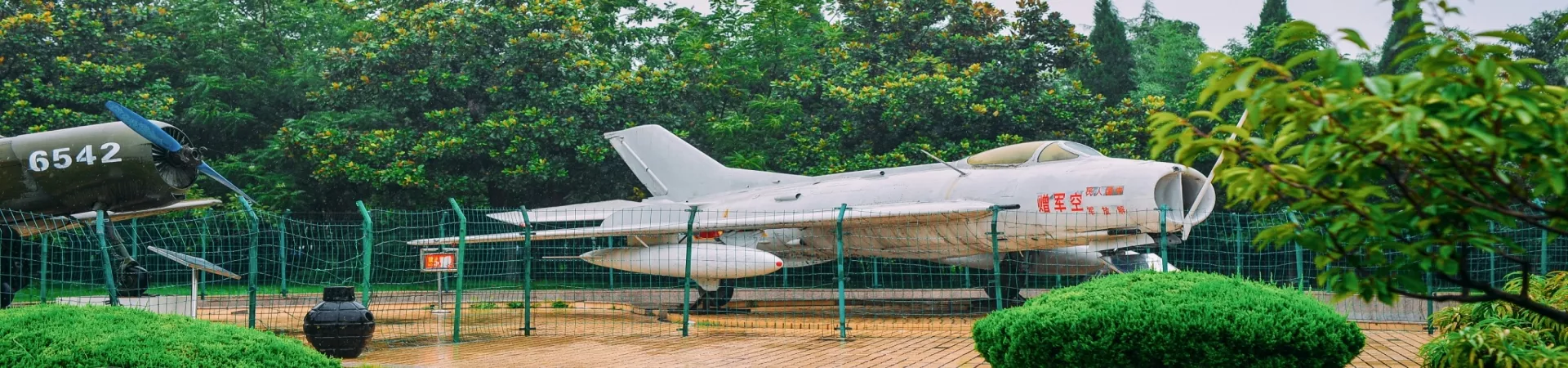
2. The Exhibition Halls: Artefacts and Narratives 2.1. Three Thematic Exhibition Rooms The core of the memorial is its Exhibition Hall, divided into three meticulously curated rooms. These spaces house a comprehensive collection of over a thousand historical documents, photographs, military equipment, and personal effects from both the Chinese and Japanese forces. The artefacts range from strategic maps and soldiers' diaries to uniforms and weaponry, providing tangible connections to the past.
2.2. Chronicles of Conflict and Strategy The exhibits are arranged to narrate the battle's progression chronologically and thematically. They detail the brutal urban warfare, the strategic genius of commanders like General Li Zongren, and the immense sacrifices made by ordinary soldiers and civilians. This section not only focuses on military maneuvers but also poignantly highlights the human cost and resilience, ensuring the memory of the struggle is preserved with accuracy and depth.
3. The Painting, Calligraphy, and Audio-Visual Halls 3.1. Artistic Tributes in the Painting and Calligraphy Hall Adjacent to the main exhibits, the Painting and Calligraphy Hall serves as a poignant artistic repository. It safeguards nearly a thousand works of calligraphy and painting created by veterans who fought in the battle, their families, as well as renowned contemporary artists and political figures. These works, often imbued with personal emotion and national pride, offer a different, more reflective perspective on the battle's impact and its enduring place in collective memory.
3.2. Immersive History in the Audio-Visual Hall For a dynamic historical experience, the Audio-Visual Hall is essential. It regularly screens precious documentary footage captured by foreign war correspondents on the front lines, providing raw, real-time visuals of the conflict. Additionally, interviews with surviving veterans offer firsthand oral histories. The hall also screens the influential film The Bloody Battle of Taierzhuang, which dramatically recreates the events, further contextualizing the artefacts and stories presented elsewhere.
4. The Panoramic Painting Hall: A National Treasure 4.1. Scale and Technical Mastery The crown jewel of the memorial is undoubtedly its Panoramic Painting Hall, the only large-scale panoramic painting in China dedicated to the theme of the War of Resistance. This artistic and engineering marvel stands 16.5 meters high with a circumference of 124 meters, forming a continuous, immersive 360-degree canvas.
4.2. An Immersive Sensory Experience The painting is not viewed in isolation; it is masterfully integrated with realistic three-dimensional terrain models at its base, blurring the line between art and reality. Specialized lighting effects and a powerful surround-sound system of battlefield noises and narration work in concert to recreate the intense atmosphere of the battle. The combined effect is overwhelmingly visceral, transporting viewers directly into the chaos, smoke, and determination of the Taierzhuang battlefield, making history feel immediate and palpable.
5. Practical Visitor Information 5.1. Opening Hours and Admission The memorial is open year-round, though hours vary slightly by season. Typically, from February 7th to December 31st, hours are 08:30-17:00, with last entry at 16:30. Special holiday schedules may apply around the Chinese New Year period. General admission is 25 RMB. Combination tickets or separate entry are available for nearby historical sites like the Qingzhen Ancient Mosque (5 RMB) and the Li Zongren Historical Materials Museum (10 RMB).
5.2. Transportation and Accessibility The memorial is easily accessible. Visitors arriving at the Taierzhuang Long-Distance Bus Station can take a local public bus directly to the site. Alternatively, from downtown Zaozhuang, a dedicated Zaozhuang-Taierzhuang bus line also provides convenient service to the memorial hall.
5.3. Suggested Visit Duration and Contact A comprehensive visit to all halls typically requires 1 to 3 hours. For the latest information or inquiries, visitors can contact the memorial at 0632-6612711.