Railway Guerrilla Film and Television City
Subtitle: A Journey into the Heroic Past: Exploring the Railway Guerrillas Movie City in Zaozhuang
Introduction: A Portal to Wartime China
Nestled near Linshan Park in Xuecheng District, Zaozhuang City, Shandong Province, lies a unique historical and cultural enclave: the Railway Guerrillas Movie City. This immersive site is far more than a conventional film set; it is a meticulously crafted tribute to a pivotal chapter in modern Chinese history. The city of Xuecheng itself, historically known as Lincheng during the Republican era and the War of Resistance Against Japan, provides the authentic geographical and historical backdrop for this expansive complex. The Movie City serves as a powerful, tangible bridge to the past, allowing visitors to step directly into the meticulously recreated streets and structures of the 1930s and 1940s. It stands not only as the largest architectural complex in Shandong Province replicating the Republican period but also carries the evocative and well-deserved honorific of "The City of Heroes," a testament to the brave stories it preserves and portrays.
Architectural Authenticity and Immersive Design
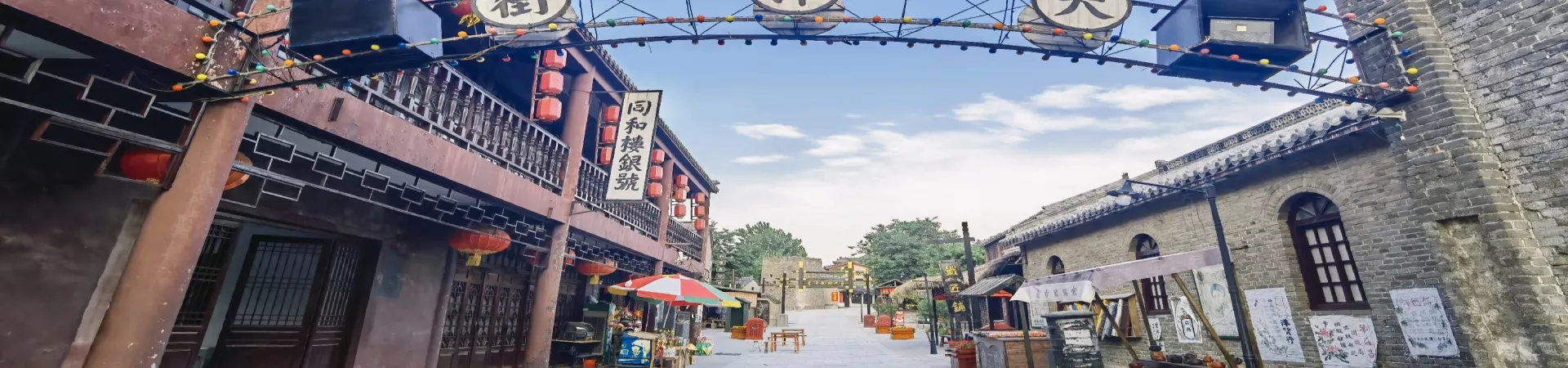
A Faithful Recreation of an Era The primary distinction of the Railway Guerrillas Movie City is its unwavering commitment to historical accuracy and scale. Unlike miniature models or suggestive sets, the city is built to real, life-size dimensions. This commitment to authenticity is evident in every brick, wooden sign, and cobbled pathway. Visitors do not merely observe from a distance; they walk through, enter, and interact with the environment, fostering a profound sense of immersion that is both educational and emotionally resonant.
Key Structures and Their Significance The urban landscape is composed of various iconic establishments that defined the period's social and commercial life. Each building tells a story and contributes to the holistic atmosphere. * Period Shops and Trading Companies: The recreation of traditional shanghang (trading companies) and various storefronts showcases the economic heartbeat of a Republican-era town. These structures, with their distinct architectural styles and vintage signage, illustrate the daily commerce and urban life that persisted amidst the turmoil of war. * The Photographer's Studio: A photography studio of the era offers a glimpse into the period's technology and social customs. Such studios were centers of modernity and memory, places where individuals and families captured moments of their lives, representing a poignant contrast to the surrounding narrative of conflict. * The Martial Arts School (Wuguan): The inclusion of a Wuguan is particularly significant, reflecting the deep-rooted tradition of martial arts in Chinese culture. In the context of the guerrilla stories, it symbolizes the discipline, strength, and resilience of the local populace, qualities that were harnessed in the defense of their homeland. * The Watchtower (Paolou): Perhaps the most starkly symbolic structures are the fortified watchtowers or blockhouses. These imposing edifices represent the presence and control of occupying forces. Their authentic recreation allows visitors to physically comprehend the landscape of power and resistance, making the challenges faced by the guerrillas viscerally understandable.
The Historical Context: Honoring the Railway Guerrillas
The Legend of Lincheng and the Railway Warriors The Movie City is dedicated to the memory of the real-life Railway Guerrillas, a courageous band of Chinese militia fighters who operated extensively in and around the Shandong region during the Japanese occupation. Their daring exploits, focused on disrupting enemy supply lines along the vital railway networks, harassing troops, and supporting broader resistance efforts, have become legendary. Xuecheng (Lincheng), as a key railway junction, was at the heart of much of this activity. The city's historical identity is inextricably linked to these events, making it the perfect location for this memorial and educational site.
From History to Silver Screen The site's designation as a "Movie City" stems from its primary function as a filming location for television series and films depicting the War of Resistance, most notably adaptations of the "Railway Guerrillas" story. By constructing permanent, high-fidelity sets, the project ensures historical accuracy in cinematic portrayals while creating a lasting resource for public engagement. The site seamlessly blends its role as an active film production facility with that of a living museum, where the lines between historical artifact and narrative backdrop beautifully blur.
Practical Information for Visitors
Location and Accessibility The Railway Guerrillas Movie City is conveniently situated in the Xuecheng District of Zaozhuang City. Its proximity to Linshan Park offers visitors an opportunity to combine historical exploration with natural scenery, as the park itself may feature additional memorials or tranquil spaces for reflection related to the area's history.
Visiting Hours and Schedule The site is open to the public throughout the year, with consistent operating hours designed to accommodate most visitors' schedules. * Opening Hours: 08:30 – 17:30 * Days of Operation: Monday through Sunday * Annual Schedule: These hours are maintained from January 1st to December 31st.
It is always advisable for visitors to verify the latest information prior to their visit, especially during national holidays or for any special events that might affect regular access.
Contact Details For inquiries regarding ticketing, group visits, special events, or filming schedules, interested parties can contact the administration directly. * Telephone: 0632-4488061
The Enduring Impact of a Visit
A tour through the Railway Guerrillas Movie City is a multi-sensory historical experience. The sound of footsteps on old streets, the visual detail of period advertisements, and the tangible presence of historical architecture work in concert to transport the visitor. It moves beyond textbook history, offering a spatial and emotional understanding of a community's life during wartime and the extraordinary courage of those who resisted. It functions as a monument, an educational tool, and a testament to the power of place in preserving collective memory. For international visitors, it provides a crucial and nuanced window into a defining period of China's twentieth century, highlighting stories of local heroism that resonate with universal themes of resilience and defiance.