Qingtan Temple
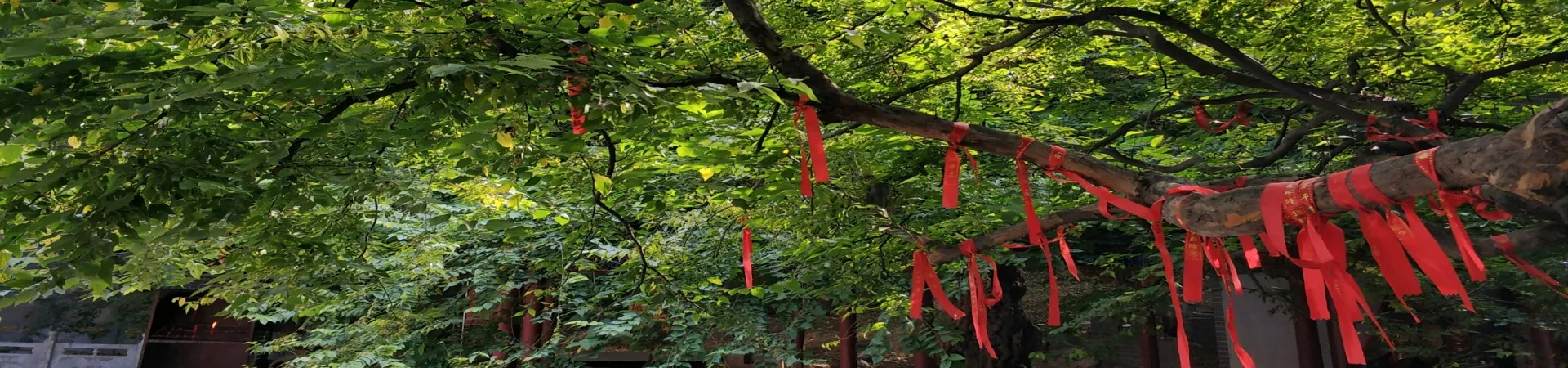
Subtitle: An Ancient Sanctuary of Tenacious Trees and Timeless Tranquility
1. Introduction: A Verdant Oasis in the Cradle of History
Nestled within a narrow valley, approximately 3.5 kilometers west of Yicheng District in Zaozhuang City, Shandong Province, lies the Qingtan Temple. This serene Buddhist sanctuary is cradled between the Chu and Han mountains, a geographical setting that immediately imbues it with a sense of secluded peace and natural grandeur. As one of the larger and more significant Buddhist temples in southern Shandong (the Lu'nan region), its history stretches back to the Tang Dynasty, bearing witness to over a millennium of spiritual devotion, cultural shifts, and the relentless, quiet growth of nature. Today, it forms an integral and spiritually rich component of the Zaozhuang Guanshi Pomegranate Garden Ecological and Cultural Tourism Area, offering visitors a profound journey that intertwines religious heritage, botanical wonder, and breathtaking landscape.
2. The Temple's Essence: A Symbiosis of Faith and Flora
2.1. From Yunfeng to Qingtan: A Name Rooted in Nature The temple's original name, Yunfeng Temple (Cloud Peak Temple), poetically reflected its lofty position amidst the mountain peaks. However, it was the overwhelming presence of a particular species of tree that ultimately claimed its identity. The valley in which the temple sits is densely populated with ancient Qingtan trees (Pteroceltis tatarinowii), a hardy and resilient species native to China. So profound and impressive is this congregation of trees that the temple was renamed in their honor, becoming the Qingtan Temple we know today. This name change is not merely administrative; it signifies a deep, intrinsic connection between the man-made spiritual haven and the powerful, ancient life force of the natural world surrounding it.
2.2. The Botanical Marvel: Ancient Qingtan Trees The Qingtan tree is the undisputed soul of this temple complex. These are not ordinary trees; they are living sculptures, testaments to endurance. Their numbers within the temple grounds are described as nothing short of "astonishing." Many specimens are centuries old, their gnarled roots gripping tenaciously onto bare rock faces and crevices, their twisting trunks and sprawling branches creating a canopy of dappled light and intricate shadows. This remarkable sight—of life thriving with such vigor in seemingly inhospitable stone—is a central theme of the visitor experience. The trees symbolize resilience, perseverance, and the harmonious coexistence of strength and flexibility, themes that resonate deeply with Buddhist philosophy. Walking among them is a humbling and awe-inspiring experience, offering a direct, visceral connection to the passage of deep time.
3. Experiencing Qingtan Temple: A Multi-Sensory Journey
3.1. Architectural Harmony and Spiritual Ambiance While the trees are the stars, the temple architecture provides the stage. The structures, having been maintained and restored over the dynasties, blend into the rugged valley environment. Visitors pass through traditional gateways, explore prayer halls adorned with Buddhist iconography, and encounter the gentle sounds of chanting and ringing bells that occasionally punctuate the natural silence. The layout encourages contemplation, with paths leading to quiet courtyards and vantage points. The presence of the ancient Qingtan trees within the temple courtyards themselves blurs the line between the built environment and the wild valley, creating a uniquely integrated sacred space.
3.2. The Enchanting Qingtan Canyon The temple is inseparable from its setting: the Qingtan Canyon, formed by the Chu and Han mountains. A visit here is as much a nature walk as a cultural tour. Well-maintained paths guide visitors along the valley floor and up gentle slopes, allowing for immersive views of the temple rooftops peeking through the dense green foliage and the dramatic rock formations of the canyon walls. The air is fresh and often filled with the subtle scent of vegetation and earth. Every turn reveals another perspective, another ancient tree with a more fascinating shape, or a quiet corner perfect for reflection.
4. Practical Information for Visitors
4.1. Location and Access Qingtan Temple is located within the Zaozhuang Guanshi Pomegranate Garden Ecological and Cultural Tourism Area. The specific address is in the narrow valley between Chu and Han mountains, about 3.5km west of Yicheng, Zaozhuang City. It is accessible by car or tourist shuttle services from the city center.
4.2. Admission and Operating Hours To facilitate your visit planning, please note the following practical details: * Admission Fee: The entrance ticket is priced at 50 RMB. * Opening Hours: The temple is open daily from 8:00 AM to 5:00 PM.
4.3. Contact Details For any inquiries prior to your visit, you may contact the temple management at: 0632-5760199 or 0632-5760089.
A trip to Qingtan Temple is therefore a multifaceted escape. It is a step into a living historical and botanical archive, a place where the spiritual aspirations of humanity, carved into wood and stone, meet the raw, persistent beauty of the natural world. It challenges the visitor not just to see, but to perceive the deep connections and the powerful, quiet lessons offered by its ancient trees and tranquil valley.