Canal Wetland Park
Subtitle: A Journey Through China's First Canal Wetland: Zaozhuang's Ecological and Historical Treasure
1. Introduction: Where History Meets Ecology Nestled within the ancient city of Zaozhuang in Shandong Province, the Taierzhuang Canal Wetland Park stands as a pioneering testament to ecological conservation and cultural heritage in China. Recognized as the nation's first wetland park centered on a canal ecosystem, it offers a unique and serene escape that intertwines the quiet majesty of nature with the profound historical echoes of the Grand Canal. This vast park is not merely a green space but a living, breathing landscape that cradles the historic core of Taierzhuang, creating a harmonious buffer where urban history and natural processes coexist. Spanning an impressive length of approximately 13 Chinese miles (about 6.5 kilometers) and encompassing over 20,000 acres, the park presents a quintessential example of a riverine wetland system, inviting visitors to explore its waterways, observe its biodiversity, and reflect on its place within one of humanity's greatest engineering feats.
2. The Wetland Ecosystem: A Tapestry of Waterways 2.1. Composition and Hydrology The park's ecological foundation is formed by a confluence of several vital water bodies. It primarily consists of the lower reaches of the Taogou River, the downstream section of the Yicheng Great Sand River flood diversion channel, and the intervening segment of the iconic Beijing-Hangzhou Grand Canal itself. This strategic intersection of natural and human-made waterways creates a dynamic and fertile wetland environment. The waters weave through the landscape, effectively enveloping the old district of Taierzhuang, which lends the park a distinctive character where cultural landmarks are perpetually mirrored in calm aquatic vistas.
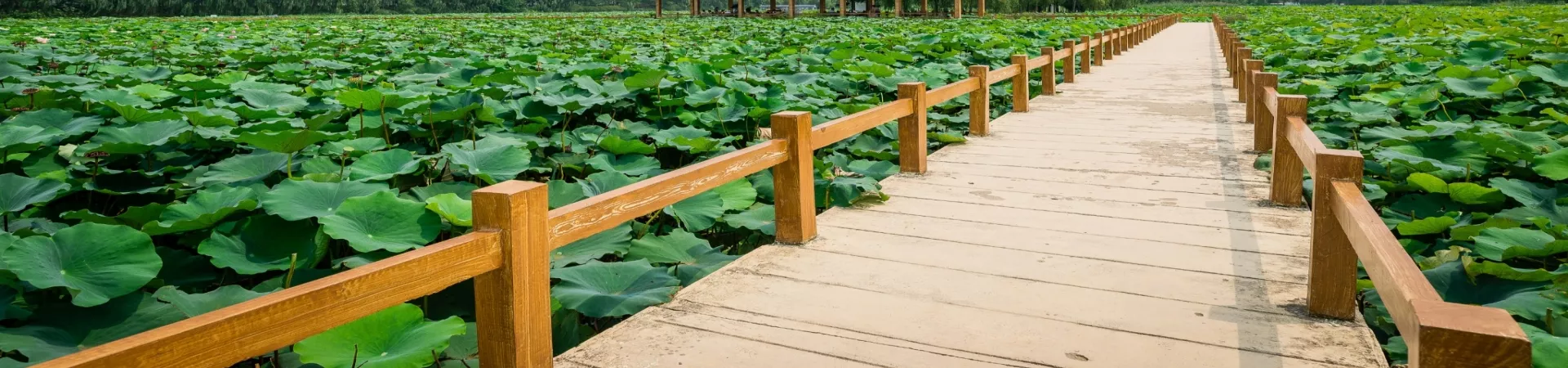
2.2. Biodiversity and Natural Scenery As a classic river wetland, the park supports a rich tapestry of flora and fauna. Its marshes, reed beds, and open water provide crucial habitats for numerous bird species, including migratory waterfowl, making it a subtle paradise for birdwatchers. The vegetation changes with the seasons, from lush green reeds in summer to golden hues in autumn, offering a constantly evolving palette of colors. The gentle flow of the canals, the rustle of wetland grasses, and the wide, open skies create an atmosphere of profound tranquility, offering a stark and refreshing contrast to urban life.
3. Practical Visitor Information 3.1. Location and Access The park is seamlessly integrated into the Taierzhuang district of Zaozhuang City. For visitors opting for a self-drive tour, the most straightforward route from downtown Zaozhuang is as follows: commence from the Zaozhuang Municipal Government area, proceed to the G3 Beijing-Taiwan Expressway, then transfer to the Lan-Cao Expressway, and finally exit onto provincial road S244 which leads directly to the destination. Ample parking is typically available near the park entrances.
3.2. Admission and Operating Hours Access to the Taierzhuang Canal Wetland Park requires an admission ticket, priced at 50 Chinese Yuan per person. This fee contributes to the maintenance and conservation of this extensive ecological zone. The park is open to the public daily throughout the year, from 8:00 in the morning until 18:00 in the evening. It is important for visitors to note that the last admission is at 18:00, after which entry is not permitted. The operating schedule remains consistent from Monday to Sunday, across all months from January 1st to December 31st.
3.3. Suggested Duration of Visit To fully appreciate the scale and beauty of the wetland park, a visit of 1 to 3 hours is recommended. This allows sufficient time for a leisurely boat ride along the canals, which is often the highlight of the experience, a peaceful stroll along designated walking paths or boardwalks that meander through key scenic areas, and moments of quiet observation to soak in the panoramic views and spot wildlife. The duration can be adjusted based on one's interest in photography, bird watching, or simply enjoying a prolonged period of relaxation in nature.
4. The Historical and Cultural Context 4.1. The Grand Canal Legacy The park's most significant cultural dimension is its intimate connection to the UNESCO World Heritage Site, the Grand Canal. The section of the canal that flows through the park is a living piece of history, a waterway that has facilitated trade, cultural exchange, and human movement for centuries. Exploring the wetland from the perspective of the canal offers a unique understanding of how this ancient infrastructure interacted with and shaped the natural environment. The water that sustains the wetland ecosystem is the same that once floated imperial grain barges and merchant vessels.
4.2. Symbiosis with Taierzhuang Ancient City The park's design, cradling the ancient city, is symbolic. Taierzhuang itself is a historically significant town, famously associated with a major battle during the Second Sino-Japanese War and renowned for its well-preserved canal-side architecture. The wetland park acts as a natural moat and green lung for the ancient city. This layout creates a powerful visitor experience: one can transition from the bustling, historically rich streets of the rebuilt ancient town directly into the expansive, quiet embrace of the wetlands, witnessing a tangible dialogue between human history and natural resilience. The park, therefore, is not just an ecological site but an integral part of a broader historical landscape, protecting and enhancing the setting of the ancient city while telling a deeper story of the region's relationship with water.