Zhuyuan Temple
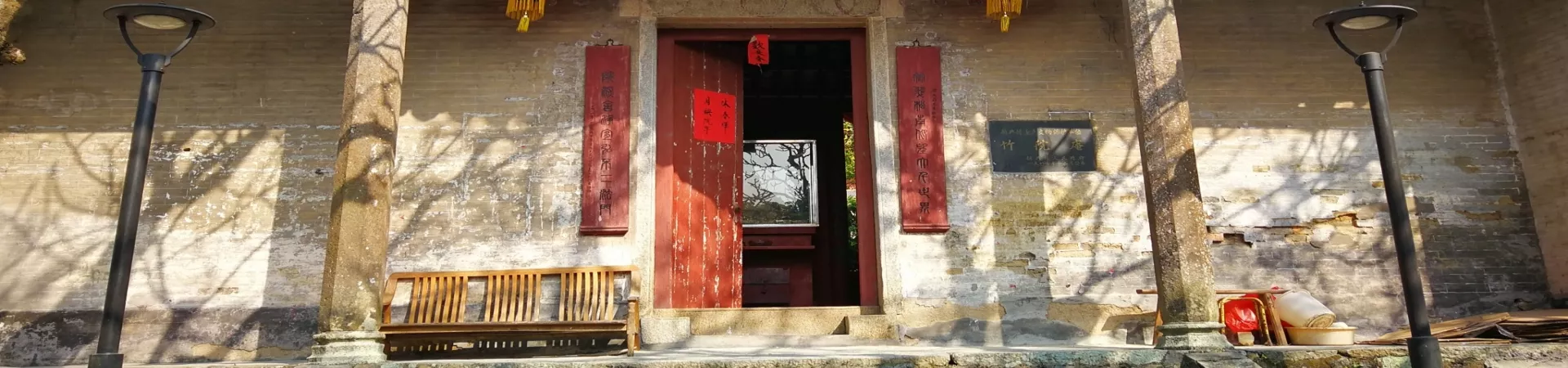
Subtitle: A Journey into Serenity: Discovering Zhuyuan Temple in Yunfu, China
Introduction: The Allure of a Hidden Sanctuary
Nestled within the lush, rolling hills of Yunfu City in Guangdong Province, China, lies Zhuyuan Temple (竹院庵), a Buddhist sanctuary that offers a profound escape from the modern world. More than just a historical site, it is a living testament to tranquility, architectural harmony with nature, and spiritual contemplation. Unlike the bustling, grand monasteries found in many Chinese cities, Zhuyuan Temple embodies a quieter, more introspective charm. Its very name, which can be poetically interpreted as "Bamboo Courtyard Hermitage," hints at its core identity: a place of serene retreat embraced by whispering bamboo groves and the serene sounds of the natural world. For the discerning traveler seeking peace, cultural depth, and a connection with a landscape that has inspired meditation for centuries, a visit to Zhuyuan Temple is an essential and enriching experience.
Section 1: Historical Roots and Spiritual Legacy
1.1. Origins and Founding The temple's history is steeped in the rich traditions of Chinese Buddhism. While precise founding dates can be elusive in ancient records, Zhuyuan Temple is believed to have been established during the Ming Dynasty (1368-1644), a period renowned for cultural and religious flourishing. It was originally built as a place for Buddhist monks to practice in seclusion, taking full advantage of the site's remote and peaceful setting. The temple is dedicated to Guanyin, the Bodhisattva of Compassion and Mercy, a figure deeply revered in Chinese folk religion and Buddhism. This dedication has shaped the temple's atmosphere as one of compassion and solace for all visitors.
1.2. A Tapestry of Restoration Throughout its long history, Zhuyuan Temple has undergone several periods of renovation and restoration, particularly during the subsequent Qing Dynasty and in modern times. These efforts were not merely about physical repair but were acts of preserving spiritual heritage. Each restoration has carefully aimed to maintain the temple's original architectural style and sacred ambiance, ensuring that the essence of the Ming Dynasty design—its simplicity, elegance, and integration with nature—remains intact for contemporary visitors to appreciate.
Section 2: Architectural Harmony and Natural Integration
2.1. The Principle of "Unity with Nature" The most striking feature of Zhuyuan Temple is its flawless integration into the mountainous landscape. It exemplifies the traditional Chinese philosophical and architectural principle of "harmony between man and nature." The temple complex does not dominate the hillside but rather follows its contours, appearing as a natural extension of the environment. This design fosters a immediate sense of peace and belonging upon arrival.
2.2. Layout and Key Structures The temple complex is compact yet complete, featuring the classic layout of a Chinese Buddhist monastery but on an intimate scale.
2.2.1. The Main Hall (Daxiong Baodian) The heart of the temple is its Main Hall, which houses the solemn statues of Sakyamuni Buddha and Guanyin. The hall's design is characterized by traditional wooden brackets (dougong), elegant upturned eaves, and ancient stone foundations. The interior is often filled with the gentle scent of sandalwood incense, creating a deeply reverent atmosphere for prayer and reflection.
2.2.2. The Bell and Drum Towers Flanking the courtyard are the symbolic Bell and Drum Towers. In Buddhist tradition, the bell is rung at dawn and the drum at dusk, marking the monastic schedule and symbolizing the spreading of wisdom and dispelling of ignorance. Their presence adds a layer of auditory and ritual depth to the temple's daily rhythm.
2.2.3. Courtyards and Corridors Serene stone-paved courtyards, connected by covered corridors, allow for meditative walks. These open spaces are adorned with potted plants, ancient stone tablets inscribed with calligraphy, and are framed by the ever-present view of the surrounding forest, blurring the line between the built environment and the wild.
Section 3: The Immersive Experience: Sights, Sounds, and Spirit
3.1. The Embrace of the Bamboo Forest True to its name, Zhuyuan Temple is enveloped by vast, serene bamboo forests. A walk along the paths through these groves is an integral part of the visit. The sound of the wind rustling through the bamboo leaves creates a natural, soothing symphony, a phenomenon celebrated in Chinese poetry and art as one of life's simple, profound pleasures. This "bamboo sea" provides cool shade and a palpable sense of seclusion.
3.2. The Mountain Setting and Scenic Vistas The temple is perched on Yuntai Mountain, part of Yunfu's picturesque karst landscape. The climb or drive to the temple offers increasingly beautiful vistas. From certain points within the temple grounds, visitors are rewarded with breathtaking panoramic views of mist-shrouded peaks and verdant valleys—a reward that complements the spiritual journey with natural grandeur.
3.3. Rituals and Cultural Engagement Visitors may have the opportunity to witness or participate in simple acts that connect them to the temple's living culture. This can include lighting a stick of incense as an offering, observing monks during chanting sessions, or simply sitting in silent meditation in a quiet corner. The temple also hosts important Buddhist festival ceremonies, which, if timed correctly, offer a vibrant glimpse into living religious traditions.
Section 4: Practical Guide for the Thoughtful Visitor
4.1. Planning Your Visit Zhuyuan Temple is accessible from Yunfu's city center, typically requiring a short drive or bus journey followed by a walk up the mountain path. The best times to visit are during spring (March-May) and autumn (September-November), when the weather is mild and the natural scenery is at its most vibrant—with either fresh greenery or subtle autumn tones. Early mornings on weekdays are ideal for experiencing the temple in its most peaceful state.
4.2. Etiquette and Respect As an active place of worship, appropriate etiquette is essential. Visitors should dress modestly, speaking in hushed tones to maintain the tranquil atmosphere. Photography inside the main hall, especially of the statues, is often discouraged unless explicit permission is given. It is important to move with mindfulness and respect for both the monks and other visitors seeking quietude.
4.3. Beyond the Temple Gates A trip to Zhuyuan Temple can be seamlessly combined with exploration of Yunfu's other notable attractions. The city is famous as the "Home of Stone," and visiting local stone markets or the Yunfu Stone Art Museum can provide a fascinating contrast between nature's raw material and cultural craftsmanship. The nearby Six Star Lake and the geological wonders of the karst formations offer further opportunities for scenic enjoyment, making for a well-rounded cultural and natural itinerary in this unique part of Guangdong.