Tourist Resort in the Hometown of the Sixth Patriarch
Subtitle: A Pilgrimage to Zen Roots: Exploring the Liuzu Hometown Tourist Resort in Yunfu, China
1. Introduction: The Cradle of Zen Buddhism Nestled within the serene landscapes of Yunfu City in Guangdong Province, China, lies a destination of profound cultural and spiritual significance: the Liuzu Hometown Tourist Resort. This is not merely a scenic area; it is a pilgrimage site, a living museum, and a tranquil retreat dedicated to the memory and teachings of one of China's most revered Buddhist masters—Huinen, the Sixth Patriarch of Zen (Chan) Buddhism. The resort, centered around the authentic birthplace of Huinen, offers visitors a unique opportunity to walk in the footsteps of the sage who revolutionized Buddhist thought in China, emphasizing sudden enlightenment and the inherent Buddha-nature within all beings. It seamlessly blends historical reverence with natural beauty, creating an environment conducive to reflection, learning, and peace.
2. The Historical and Spiritual Core: Following the Patriarch's Path The heart of the resort is its deep connection to the life and legacy of the Sixth Patriarch. The experience here is designed as a journey through his story.
2.1. Key Historical and Cultural Sites * The Former Residence of the Sixth Patriarch: This carefully preserved or reconstructed site marks the very location where Huinen was born and spent his early years. It provides a tangible connection to his humble beginnings, offering insights into the environment that shaped the future master. * Memorial Halls and Temples: Several halls and temples within the resort are dedicated to venerating Huinen. These structures often house statues, ancient steles (stone tablets), and artifacts related to his life and teachings. The atmosphere here is one of quiet devotion, where visitors can observe or participate in Buddhist practices. * The Platform Scripture (Liuzu Tanjing): As the only Buddhist scripture in the world referred to as a "platform scripture" or sermon, and the only one authored by a Chinese figure, Huinen's teachings form the intellectual backbone of the site. Throughout the resort, excerpts and principles from this seminal text are highlighted, explaining concepts like "formless" practice and "seeing one's own nature."
2.2. The Cultural Legacy of Zen The resort actively interprets the profound yet practical philosophy of Zen Buddhism. Through guided tours, informational displays, and cultural activities, visitors can grasp how Huinen's teachings simplified Buddhist practice, making enlightenment accessible to everyone, regardless of social status or scholarly learning. This focus on direct experience and inner wisdom is a recurring theme throughout the visit.
3. Experiencing the Resort: Nature, Architecture, and Pilgrimage Beyond the historical core, the resort is masterfully planned to offer a holistic and immersive experience that engages the senses and the spirit.
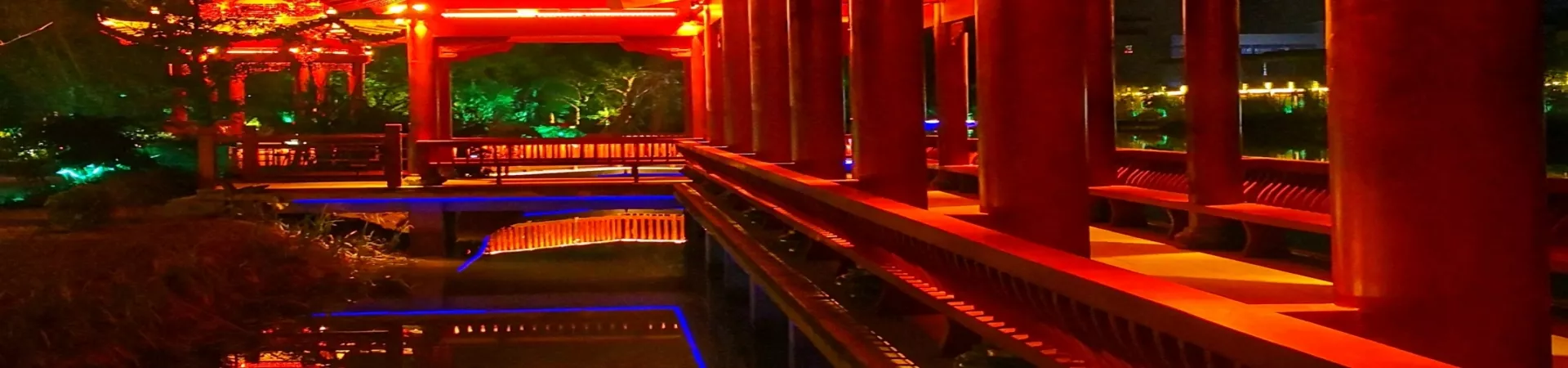
3.1. Landscape and Natural Integration The resort is set against a backdrop of lush greenery, gentle hills, and peaceful water features. The natural environment is not just a setting but an integral part of the experience, reflecting the Zen ideal of harmony between humanity and nature. Carefully landscaped gardens, quiet ponds, and shaded pathways invite leisurely strolls and meditation, allowing the mind to settle and the beauty of the surroundings to enhance the reflective mood.
3.2. Architectural Harmony and Symbolism The architecture within the resort predominantly follows the elegant and solemn style of traditional Southern Chinese Buddhist temples. Complexes often feature symmetrical layouts, sweeping roofs with upward-curving eaves, ornate carvings, and tranquil courtyards. The design emphasizes serenity, order, and a sense of sacred space, guiding visitors naturally from one area to the next in a flowing, contemplative manner.
3.3. The Pilgrim's Journey The layout often encourages a form of pilgrimage. Visitors may follow a route that symbolically traces key moments from Huinen's life—from his birthplace, through sites representing his enlightenment and teaching, towards spaces dedicated to universal wisdom. This physical journey mirrors the inner journey of understanding that Zen promotes.
4. Practical Information for Visitors To ensure a smooth and respectful visit, please note the following essential details.
4.1. Operating Hours and Best Times to Visit The Liuzu Hometown Tourist Resort is open to visitors 24 hours a day, every day of the week, throughout the entire year. This all-day access (from midnight to midnight) provides exceptional flexibility. For the most comfortable experience, consider visiting during the milder seasons of spring (March to May) or autumn (September to November). Early mornings or weekdays typically offer quieter, more contemplative moments compared to weekends and public holidays.
4.2. Contact Information For specific inquiries regarding events, group visits, or other detailed questions, you can contact the resort management at: +86-766-2692928.
4.3. Visitor Etiquette and Tips As a site of cultural and religious importance, respectful conduct is appreciated. Dress modestly, speak quietly, and follow any posted guidelines within temple buildings. Photography may be restricted in certain interior spaces. While the resort provides a peaceful escape, combining a visit here with other nearby cultural sites in Yunfu can offer a richer understanding of the region's heritage. Allow several hours to fully appreciate the historical sites, museums, and natural landscapes at a leisurely pace.