Panlong Cave
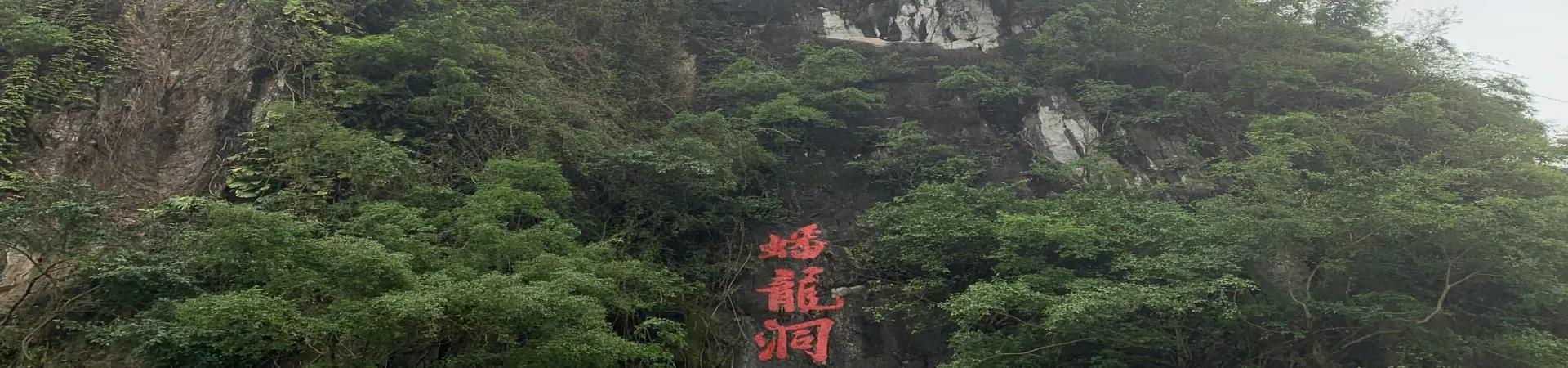
Subtitle: A Journey Through Millennia: Unveiling the Geological and Cultural Marvels of Panlong Cave in Yunfu, China
Introduction: A Subterranean Realm of Wonders Nestled within the vibrant city of Yunfu in Guangdong Province, China, lies a hidden world that defies the ordinary—the breathtaking Panlong Cave (蟠龙洞). More than just a scenic attraction, Panlong Cave is a magnificent natural museum, a geological archive that chronicles millions of years of Earth's history through its stunning formations. It stands as a premier example of a karst cave system in South China, captivating visitors with its otherworldly beauty, scientific significance, and the serene ambiance of its underground landscape. A visit here is not merely a tour; it is an immersive voyage into the depths of time and nature's artistic prowess.
1. Geological Formation and Unique Features Panlong Cave's story begins over 100 million years ago, during the Mesozoic Era, when the region was submerged under a vast ancient sea. The relentless deposition of calcium carbonate from marine organisms laid the foundation for the thick limestone bedrock. Subsequent tectonic uplifts raised this seabed, and over eons, slightly acidic rainwater percolated through fissures, slowly dissolving the limestone and sculpting the vast chambers and intricate passageways we see today.
What truly sets Panlong Cave apart are its diverse and exceptionally well-preserved speleothems (cave formations). The cavern is adorned with a spectacular array of stalactites hanging from the ceilings like stone icicles, stalagmites rising majestically from the floor, and majestic columns where the two have met and fused. Beyond these common forms, the cave boasts rare and delicate formations such as helictites, which twist and turn in seemingly gravity-defying directions, and translucent cave curtains that shimmer under strategic lighting. Each formation, growing at a painstaking rate of mere centimeters every century, is a testament to patient, persistent natural forces.
2. Navigating the Cave's Highlights The developed tour route within Panlong Cave guides visitors through a series of awe-inspiring chambers, each with its own character and legendary names inspired by the shapes of the formations.
2.1. The Grand Hall and "Jade Pillar" The journey often commences in a vast opening hall, where the scale of the subterranean world first becomes apparent. Here, one is immediately greeted by towering formations, including a prominent "Jade Pillar," a massive, smooth column that appears to support the cavern's roof, setting a tone of grandeur for the exploration ahead.
2.2. The Stone Waterfall and "Dragon's Throne" As visitors delve deeper, they encounter one of the cave's most dramatic features: a colossal "Stone Waterfall." This immense, frozen cascade of flowstone creates a breathtaking wall of rippled rock, evoking the powerful image of a waterfall petrified in time. Nearby, intricate clusters of stalagmites often form what locals imaginatively call the "Dragon's Throne," a regal formation that sparks the imagination about the mythical creature said to reside within.
2.3. The Crystal Palace and "Peach of Immortality" The climax of the tour is frequently the section known as the "Crystal Palace." In this chamber, the density and purity of the formations are extraordinary. Thousands of sparkling stalactites cover the ceiling, resembling a celestial chandelier. Among them, a particularly distinctive, rounded stalactite is celebrated as the "Peach of Immortality" (寿星公仙桃), a symbol of longevity and good fortune in Chinese culture, adding a layer of cultural narrative to the geological spectacle.
3. Practical Information for Visitors To ensure a smooth and enriching visit to Panlong Cave, here are some essential details.
3.1. Location and Accessibility Panlong Cave is situated within the urban area of Yunfu City, making it highly accessible. Yunfu itself is well-connected by road and rail to major Guangdong cities like Guangzhou, Foshan, and Zhaoqing. The cave site is easily reachable by local taxi or public bus services from the city center.
3.2. Opening Hours and Ticketing The cave is open to the public year-round, with the following schedule: * Opening Hours: 08:30 - 17:00 (All day) * Last Admission Time: 17:00 * Operating Days: Monday through Sunday, throughout the year (January 1st - December 31st). It is advisable to arrive well before the last admission time to allow for a leisurely exploration. Ticketing counters are located at the cave entrance, and visitors should check for any updates on pricing or potential seasonal variations.
3.3. Guidelines for Cave Exploration The pathways inside are well-constructed with walkways and lighting for safety. However, the environment requires certain precautions: * The cave maintains a cool, constant temperature year-round (typically around 18-20°C or 64-68°F), so carrying a light jacket is recommended. * Surfaces can be damp and slippery; wearing shoes with good grip is essential. * To preserve the fragile ecosystem, touching the formations is strictly prohibited. The oils from human skin can halt their growth and cause discoloration. * Professional guides or informative signage provide valuable commentary on the geology and legends, greatly enhancing the experience.
4. The Broader Context: Yunfu's Stone Culture A visit to Panlong Cave is perfectly complemented by exploring Yunfu's unique identity above ground. The city is nationally renowned as the "Capital of Stone" in China. Its economy and culture are deeply intertwined with stone processing and craftsmanship. After witnessing nature's raw, sculptural art underground, visitors can appreciate human artistry at the numerous stone markets and workshops in Yunfu, where local artisans transform granite and marble into exquisite products. This connection creates a profound thematic journey—from the natural geology of the cave to the cultural and industrial application of stone—making a trip to Panlong Cave a central part of understanding Yunfu's distinctive character.