Guoen Temple
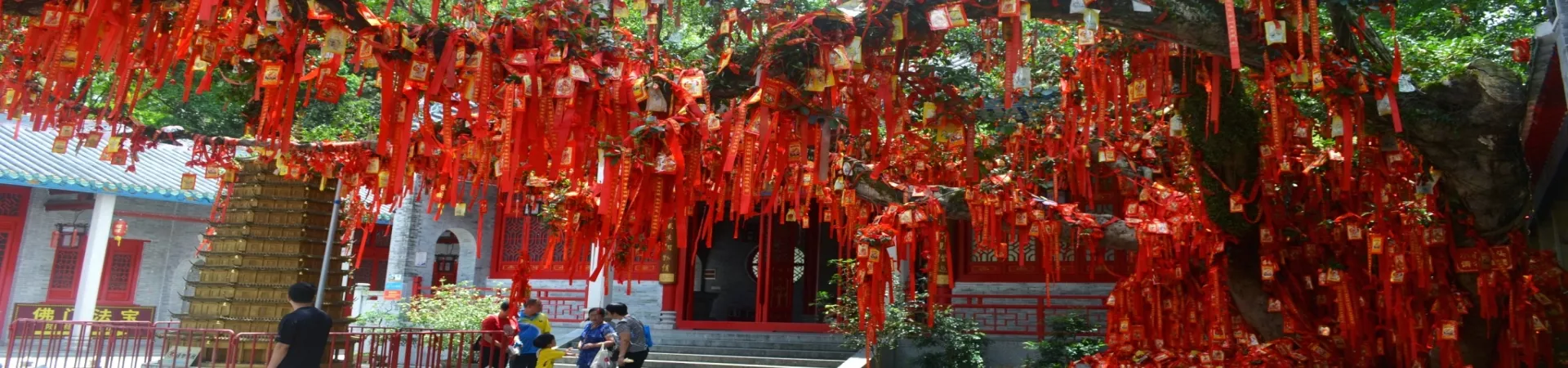
Subtitle: A Journey to the Cradle of Zen: Unveiling Yunfu's Guoen Temple
1. Introduction: The Living Legacy of the Sixth Patriarch
Nestled at the foot of Longshan (Dragon Mountain) in the Xinxing County of Yunfu City, Guangdong Province, the Guoen Temple (Temple of National Grace) stands not merely as an ancient architectural complex but as a living, breathing testament to one of the most pivotal figures in Buddhist history. This hallowed ground is revered as the birthplace of Huineng, the Sixth Patriarch of Chan (Zen) Buddhism, and the site of his final sermon and nirvana. More than a tourist destination, it is a profound spiritual center, a place where the echoes of profound wisdom seem to linger in the air, intertwined with the scent of incense and ancient cypress trees. A visit here is a pilgrimage into the heart of Chinese Chan culture, offering a unique blend of historical significance, architectural serenity, and philosophical depth.
2. Historical Significance: The Huineng Connection
2.1. The Birthplace of a Patriarch The temple's supreme importance stems from its intimate connection with Master Huineng (638-713 AD). It is believed to be built upon the site of his former residence. Huineng, an illiterate woodcutter who attained instantaneous enlightenment upon hearing a verse from the Diamond Sutra, revolutionized Buddhist thought in China. He emphasized sudden enlightenment and the direct perception of one's inherent Buddha-nature, moving away from rigid textual scholarship. This philosophy, crystallized in the Platform Sutra—the only sutra in the Buddhist canon authored by a Chinese master—originated from teachings delivered here and at the nearby Baolin Temple.
2.2. A Temple Forged by Imperial Decree The temple's history dates back to the Tang Dynasty (618-907 AD) and was significantly expanded during the following Song Dynasty. Its name, "Guoen" (National Grace), was conferred by Emperor Xianzong of the Tang Dynasty in 683 AD, in recognition of the profound contribution of Huineng's teachings to the nation's spiritual fabric. Throughout centuries, the temple has been renovated and expanded, most notably during the Ming and Qing dynasties, evolving into the grand complex we see today while continuously honoring its foundational legacy.
3. Architectural Layout and Sacred Landmarks
The temple complex follows a traditional Chinese Buddhist architectural style, symmetrical and orderly, guiding visitors on a journey through both physical space and spiritual layers.
3.1. The Mountain Gate and Initial Courtyards Passing through the solemn mountain gate, visitors enter a world separated from the mundane. The initial courtyards, lined with ancient trees, set a tone of tranquility. The Bell and Drum Towers, standing symmetrically, symbolize the passing of time and the call to mindfulness.
3.2. The Core Halls: A Journey of Veneration * The Mahavira Hall (Daxiong Baodian): This is the main hall, housing magnificent statues of the Buddhas of the Three Ages. The atmosphere here is one of majestic reverence, where rituals and prayers are regularly conducted. * The Sixth Patriarch Hall: This is the spiritual heart of the complex. It enshrines a revered statue of Master Huineng and is the focal point for pilgrims. The hall is imbued with a palpable sense of devotion and historical gravity. * The Bathing Pool and the Life-Emancipating Pond: These are among the temple's most iconic and spiritually charged sites. Legend holds that the Bathing Pool is where Huineng's mother drew water for his first bath. The Life-Emancipating Pond, teeming with fish and turtles, is where the Patriarch encouraged the practice of compassion by freeing captive animals. Visitors often pause here for reflection and to partake in this symbolic act of kindness.
3.3. The Pagoda and Relic Veneration The temple grounds house the Zhita Pagoda, a structure of great significance. It is said that beneath this pagoda, the "incorruptible" hair relics of the Sixth Patriarch are interred, making it a central site for reverence and circumambulation by devotees.
4. Practical Information for Visitors
4.1. Admission and Opening Hours Guoen Temple maintains a policy of open accessibility to all. Admission is free of charge, reflecting the Buddhist spirit of openness and compassion. The temple is open daily in two sessions: a morning session from 8:30 AM to 11:00 AM and an afternoon session from 2:30 PM to 5:30 PM. It is advisable to allocate at least 2-3 hours for a comprehensive visit to fully absorb the ambiance and explore the extensive grounds.
4.2. Etiquette and Visitor Tips As an active place of worship, visitors are encouraged to observe respectful etiquette. Dress modestly, speak in hushed tones, and follow any posted guidelines, especially within the main halls. Photography may be restricted in certain inner sanctums; always look for signs or ask permission. The temple is often serene on weekdays, while weekends and Buddhist festival days (such as the birthday or nirvana day of the Sixth Patriarch) can be busier but also offer a chance to witness vibrant religious activities.
4.3. Location and Contact Guoen Temple is located in Liucun Town, Xinxing County, Yunfu City. The journey from Yunfu's city center offers a scenic transition into the countryside. For the most current information, especially regarding special events or temporary changes, you may contact the temple at +86 766 2691101.
5. The Enduring Atmosphere: More Than Stone and Mortar Ultimately, a visit to Guoen Temple transcends a checklist of historical sites. It is an immersion into an atmosphere of profound peace and intellectual heritage. Whether one is a devout Buddhist pilgrim, a student of history and philosophy, or a traveler seeking a moment of respite, the temple offers a unique space for contemplation. Walking the same paths as the Sixth Patriarch, one can ponder his teachings on the innate purity of the mind and the nature of enlightenment. The gentle breeze through the trees, the soft chanting from the halls, and the timeless landscape of Longshan together create a holistic experience that connects the past with the present, inviting every visitor to a moment of inner quietude amidst the legacy of a great spiritual master.