Duqiao Mountain Scenic Area
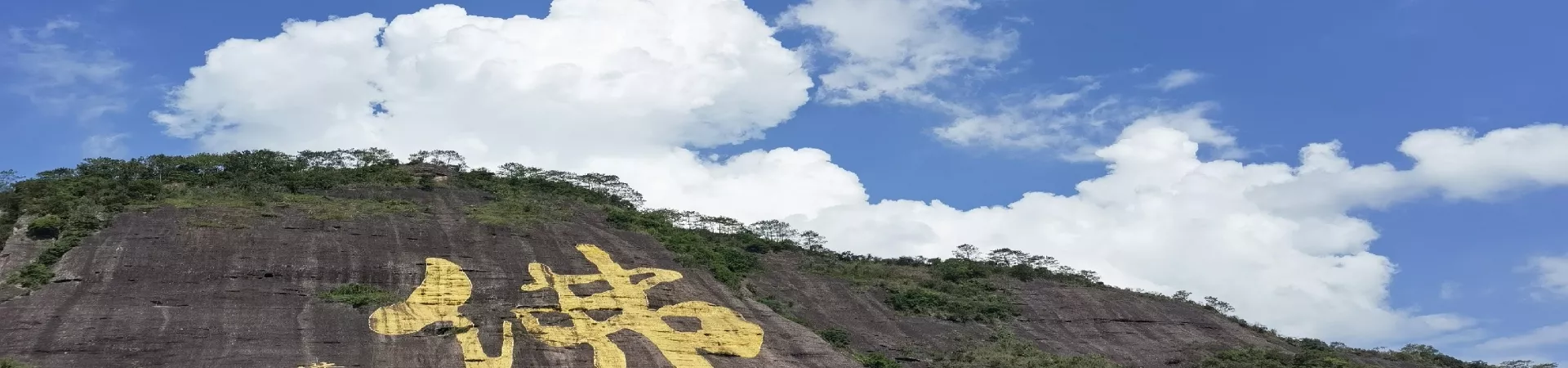
Subtitle: A Sacred Mountain of Danxia Landscapes, Buddhist Grottoes, and Cultural Heritage
1. Introduction to Dujiao Mountain Nestled in the southeastern part of Yulin City, Guangxi Zhuang Autonomous Region, Dujiao Mountain Scenic Area stands as a magnificent testament to nature's artistry and profound spiritual heritage. Often referred to as the "Twenty-First Grotto Heaven" in Taoist tradition, it is a core component of the famed "Three Mountains and One River" landscape of Yulin. The mountain is celebrated for its unique and spectacular Danxia (red sandstone) landforms, its deep historical significance as a cradle of Chinese religious culture—encompassing Buddhism, Taoism, and Confucianism—and its serene, picturesque environment. It offers visitors a harmonious blend of geological wonder, cultural exploration, and tranquil natural beauty, making it a must-visit destination for those seeking to understand the soul of this region.
2. The Allure of Natural Landscapes 2.1. Danxia Landform Wonders The most striking feature of Dujiao Mountain is its extensive and vividly colored Danxia topography. Formed over millions of years by geological uplift and erosion, the landscape is characterized by towering red cliffs, peculiar rock pillars, deep valleys, and numerous natural caves. The rocks, displaying hues of crimson, purple, and ochre, are particularly stunning at sunrise and sunset when the angled light sets the entire mountain aglow. This dramatic scenery provides not only breathtaking vistas but also a fascinating open-air lesson in geology.
2.2. Key Natural Attractions Among its many natural sights, several are iconic. Buddha's Palm Peak resembles a giant, serene hand reaching towards the sky, creating a powerful natural sculpture. The Danxia Corridor is a winding path through narrow canyons and under towering cliffs, allowing for an immersive experience within the heart of the rock formations. Scattered throughout the mountain are various natural caves and grottoes, which have historically provided shelter and sacred spaces, adding an element of mystery and exploration to the visit.
3. A Tapestry of Cultural and Religious Heritage Dujiao Mountain's history as a sacred site spans over a thousand years, earning it the nickname "A Mountain Embracing Three Doctrines" for its integration of Buddhist, Taoist, and Confucian influences.
3.1. Buddhist Legacy and Grottoes Buddhism has left the most enduring physical mark on the mountain. The Dujiao Mountain Grottoes are a significant cultural relic, featuring Buddhist statues carved directly into the sandstone cliffs during the Tang and Song dynasties. These carvings, though weathered by time, retain a solemn grace and are precious artifacts for studying the history of Buddhist art in southern China. The presence of ancient temple sites further underscores the mountain's long-standing spiritual importance.
3.2. Taoist and Confucian Influences As one of the traditional "Thirty-Six Grotto Heavens and Seventy-Two Blessed Lands" in Taoism, Dujiao Mountain holds a special place for Taoist practitioners. The natural caves were seen as ideal places for meditation and alchemical practices aimed at achieving immortality. Simultaneously, Confucian scholars were drawn to the mountain's tranquility, establishing academies and retreats. This convergence created a unique cultural atmosphere where philosophical contemplation and spiritual pursuit flourished side by side.
3.3. Cultural Relics and Inscriptions Beyond statues, the mountain is an open-air museum of calligraphy. Precipices and boulders across the scenic area are adorned with historical stone inscriptions from various dynasties. These inscriptions, often poems or philosophical notes left by visiting scholars, officials, and monks, add a rich literary layer to the landscape, connecting the natural beauty directly to the intellectual history of China.
4. Visitor Experience and Practical Information 4.1. Hiking and Exploration The scenic area is developed with a network of well-maintained hiking trails and walkways that cater to different fitness levels. These paths lead visitors through the most scenic areas, past major cliffs, caves, and cultural sites. For those seeking a panoramic view, there are options to climb to several mountain viewing platforms that offer sweeping, unforgettable vistas of the rolling Danxia landscape and the surrounding countryside.
4.2. Practical Details for Your Visit * Opening Hours: The scenic area is open daily from 09:00 to 17:00 throughout the year (January 1st to December 31st, Monday through Sunday). It is advisable to allocate at least 4-5 hours for a comprehensive visit. * Best Time to Visit: Spring (March-May) and Autumn (September-November) offer the most pleasant weather with mild temperatures and clear skies, ideal for hiking. The foliage in autumn adds another layer of color to the red rocks. * Location and Access: Dujiao Mountain is located in Rong County, under the administration of Yulin City. It is accessible by road, approximately a 1 to 1.5-hour drive from downtown Yulin. Visitors can use tourist buses, taxis, or private cars. * Visitor Tips: Comfortable walking shoes with good grip are essential due to the mountainous terrain. Carrying water, sun protection (hat, sunscreen), and a camera is recommended. As a site of cultural and natural significance, visitors are encouraged to respect the environment and heritage by not littering or defacing the rocks and inscriptions.