Junshan Bamboo Forest
Subtitle: A Sanctuary of Bamboo, History, and Serenity on Dongting Lake
Introduction: The "Fairy Isle" of Dongting Nestled in the vast expanse of Dongting Lake, just a short ferry ride from the historic city of Yueyang in Hunan Province, lies Junshan Island. Far more than a mere scenic spot, Junshan is a cultural and ecological jewel, often poetically referred to as the "Fairy Isle on Dongting." While the island is steeped in legends, most famously as the purported home of the legendary lovesick goddesses of the Xiang River, its most tangible and mesmerizing charm lies in its vast, whispering sea of bamboo. The Junshan Bamboo Forest is not simply a grove of trees; it is the island's verdant soul, a living tapestry that intertwines natural beauty, unique agricultural heritage, and a profound sense of timeless peace.
The Heart of the Island: Junshan Bamboo Forest A Verdant Ocean of Culms Upon setting foot on Junshan, visitors are immediately enveloped by an emerald world. The Junshan Bamboo Forest covers a significant portion of the 0.96-square-kilometer island, creating a landscape where sunlight filters softly through a canopy of countless leaves, painting dappled shadows on the winding paths below. The air is noticeably cooler and carries a fresh, clean fragrance—a signature scent of bamboo and damp earth. This is a place for the senses: the rustle of leaves in the breeze provides a constant, gentle soundtrack, while the sight of slender, upright culms stretching skyward instills a feeling of serene elegance and resilience.
More Than Just Greenery: The "Speckled Bamboo" and Its Legend The true botanical marvel here is Junshan's unique species, the Phyllostachys pubescens f. huamozhu, renowned worldwide as the "Speckled Bamboo" or "Tears Bamboo." Its culms are adorned with distinctive purplish-brown speckles and streaks. Local lore powerfully attributes this unique appearance to a tale of eternal love and sorrow. It is said that these speckles are the tear stains of the two consorts of the ancient sage-king Shun, Ehuang and Nüying. Upon hearing of Shun's death far from home, their tears of profound grief fell upon the bamboo, marking it forever. This poignant legend, connecting human emotion directly to the natural world, gives the forest a deeply romantic and mythical dimension, making every marked stalk a testament to a story thousands of years old.
A Taste of the Island: Junshan "Silver Needle" Tea Symbiosis in the Shade The magic of Junshan's ecosystem is further exemplified in its world-famous agricultural product: Junshan "Silver Needle" tea (Junshan Yinzhen). This rare and prized yellow tea is cultivated directly within the bamboo forest. The bamboo plays a crucial role, providing the delicate tea bushes with the perfect dappled shade, protecting them from harsh sunlight, and contributing to the unique microclimate that defines the tea's character. This symbiotic relationship results in a beverage of exceptional quality.
The Art of "Silver Needles" The tea itself is a work of art. Its name comes from the appearance of the buds, which are uniform, needle-like, and covered in a delicate, silvery-white fuzz. When brewed in a glass, the buds perform a mesmerizing "dance," rising and falling vertically in the water three times before settling—a spectacle as captivating as its taste. The flavor is mellow, sweet, and subtly fragrant, with a clean, lingering aftertaste that echoes the pure atmosphere of its bamboo-shaded homeland. Tasting this tea on the island is an essential, immersive experience.
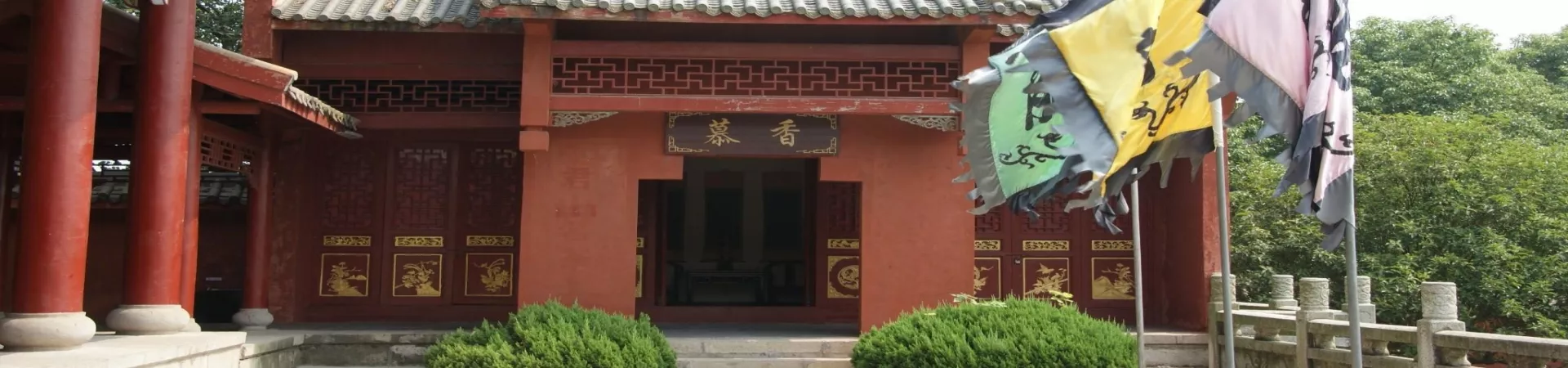
Exploring the Tapestry: Cultural Landmarks Amidst the Groves Ehuang and Nüying Temples The bamboo forest does not exist in isolation; it frames and enhances the island's historical sites. Scattered amongst the groves are temples dedicated to the legendary consorts, Ehuang and Nüying. The most notable are the Xiangfei Temple and the Erfei Tomb. These tranquil sites, often surrounded by whispering bamboo, offer spaces for quiet reflection on the ancient myth that is so central to the island's identity. They serve as cultural anchors, reminding visitors that they are walking through a landscape saturated with story.
The Dragon's Well and Ancient Inscriptions Another key site is the Longjing (Dragon's Well), a ancient well renowned for its crisp, sweet water, which is considered the ideal source for brewing the local Silver Needle tea. Nearby, history enthusiasts can seek out cliff carvings and stone inscriptions from various dynasties, their characters sometimes softened by time and moss. These artifacts, hidden in clearings or along forest paths, provide a tangible link to the scholars, poets, and travelers who have been captivated by Junshan's beauty for centuries.
A Visitor's Journey: Immersion and Etiquette Walking the Pathways The best way to experience the Junshan Bamboo Forest is on foot. Meandering along its quiet, shaded paths allows for a full sensory immersion. Visitors can admire the geometric beauty of the bamboo groves, seek out the distinctive speckled stalks, listen to the wind-song in the leaves, and simply breathe in the tranquility. It is a place that naturally encourages a slower pace and mindful observation.
Respecting the Sanctuary As a precious natural and cultural reserve, it is paramount for visitors to practice responsible tourism. This means staying on designated paths to protect the fragile root systems, refraining from carving or damaging any bamboo, and taking all litter off the island. The preservation of this unique speckled bamboo species and its pristine environment is a shared responsibility. The silence of the forest, broken only by natural sounds, is part of its treasure and should be maintained for all to enjoy.
In essence, a visit to the Junshan Bamboo Forest is a journey into a layered sanctuary. It is where botany meets mythology, where agriculture becomes an art form, and where history is written not just on stone, but on the very stems of the plants. It offers a rare chance to wander through a living legend, find respite from the modern world, and witness the beautiful, enduring harmony between nature and human culture on the tranquil waters of Dongting Lake.