Du Fu Tomb Ancestral Hall
Subtitle: A Pilgrimage to the Final Resting Place of a Poetic Giant
1. Introduction: The Sacred Ground of a Literary Titan
Nestled in the tranquil countryside, approximately 16 kilometers south of Pingjiang County in Yueyang City, Hunan Province, lies a site of profound cultural and historical reverence: the Tomb and Memorial Temple of Du Fu. Located in Xiaotian Village, Daqiao Township, near the scenic Tianjing Lake, this hallowed ground is the final resting place of Du Fu (712-770 AD), one of China's most celebrated poets, a staunch patriot, and a figure whose literary legacy has earned him global recognition as a cultural luminary. A visit here is not merely a tourist excursion but a pilgrimage into the heart of Chinese poetic tradition, offering a tangible connection to the man whose verses have echoed through the centuries, giving voice to human suffering, resilience, and the beauty of the natural world.
2. Historical and Cultural Significance
2.1. Du Fu: The Poet-Historian Du Fu, often honored as the "Poet-Sage" or "Poet-Historian," lived during the Tang Dynasty, an era of both unparalleled cultural flourishing and devastating turmoil marked by the An Lushan Rebellion. His poetry is renowned for its technical mastery, profound empathy, and its unflinching chronicle of the social upheavals and personal hardships of his time. Works like "Spring View" and "The Officer at Tong Pass" transcend their historical moment, speaking to universal themes of war, loss, and the longing for stability. His deep concern for the fate of the common people and the nation cemented his status as a quintessential patriotic poet. UNESCO's recognition of him as a world cultural celebrity underscores his enduring relevance beyond Chinese borders.
2.2. The Tomb's Legacy The existence of Du Fu's tomb in Pingjiang is a significant chapter in the poet's story. Having led a life of constant displacement and poverty, Du Fu died on a boat journey along the Xiang River. Historical accounts suggest he was initially buried nearby, with his grave later moved to this serene location. While several places in China claim a connection to Du Fu, the site in Xiaotian Village is widely accepted and has been a focal point for commemoration for generations. The tomb and its accompanying temple complex stand as a testament to the deep veneration in which he has been held by scholars, officials, and ordinary people throughout history.
3. The Site Experience: Tomb and Memorial Temple
3.1. The Tomb Mound The central focus of the site is the poet's tomb itself—a solemn, grassy mound marked by a traditional stele. The simplicity of the grave is poignant, reflecting the modesty and hardships that characterized much of Du Fu's life. Surrounded by older trees and quiet paths, the atmosphere is one of contemplative peace, inviting visitors to pause and reflect on the poet's vast legacy that sprang from such humble eternal quarters.
3.2. The Memorial Temple Complex Adjacent to the tomb, the memorial temple (Cí) serves as a cultural and educational space dedicated to Du Fu's life and work. Typically, such a complex would include several halls:
- Main Memorial Hall: This hall often houses a statue of Du Fu, allowing visitors to pay their respects. The ambiance is one of scholarly reverence.
- Exhibition Halls: These spaces are crucial for understanding the poet. They display artifacts, calligraphic reproductions of his most famous poems, and detailed biographical information outlining his travels, his family life, and the historical context of his writing.
- Steles and Inscriptions: The grounds are likely dotted with stone steles carved with poems written by Du Fu or later admirers who visited the tomb. These inscriptions form a tangible dialogue across time.
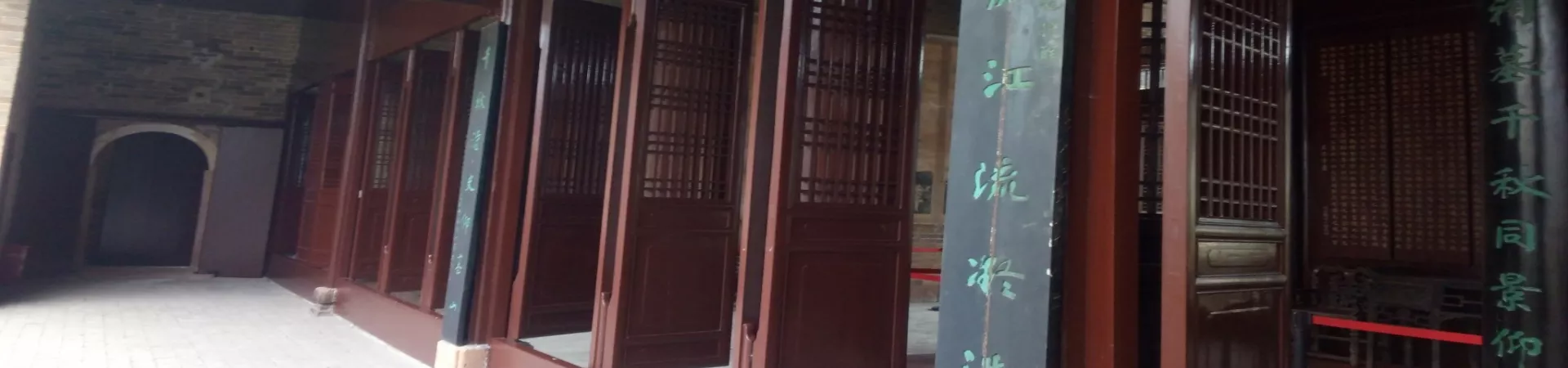
- Architectural Harmony: The temple buildings, often constructed in a traditional style with sweeping roofs and wooden beams, blend harmoniously with the rural landscape, creating a serene environment conducive to literary appreciation and quiet thought.
4. Practical Visitor Information
4.1. Location and Accessibility The Du Fu Tomb and Memorial Temple is situated in Xiaotian Village, Daqiao Township, near Tianjing Lake in Pingjiang County, under the administration of Yueyang City. The site's rural location offers a respite from urban bustle. Visitors typically travel to Yueyang or Pingjiang first, then proceed by local taxi or arranged car service to the village. The journey through the Hunan countryside is part of the experience, offering glimpses of the landscapes that inspired countless poets.
4.2. Admission and Opening Hours * Admission Fee: The entrance ticket is priced at 25 Chinese Yuan (RMB). This fee contributes to the maintenance and preservation of this important cultural heritage site. * Operating Schedule: The site is open daily from 8:00 AM to 5:00 PM. The last admission is at 5:00 PM. This schedule is consistent throughout the year, from January 1st to December 31st. It is advisable to allocate at least 1.5 to 2.5 hours for a thorough visit to fully absorb the historical atmosphere and explore the temple exhibits.
4.3. Suggested Visit Tips To enhance your pilgrimage, consider reading a few of Du Fu's most famous poems in translation before your visit. "A Spring View" or "Thinking of My Brothers on a Moonlit Night" can profoundly deepen the emotional and intellectual connection to the place. As this is a memorial site, a demeanor of respect is appropriate. The tranquil setting also makes it perfect for quiet contemplation after viewing the exhibits. Combining a visit here with other cultural sites in the broader Yueyang area, such as the Yueyang Tower, can provide a richer understanding of the region's historical and literary importance.