Qingyun Cave
Subtitle: Unveiling Qingyun Cave: A Journey Through Karst Landscapes and Ancient Legends in Yiyang
Introduction: A Portal to Another World
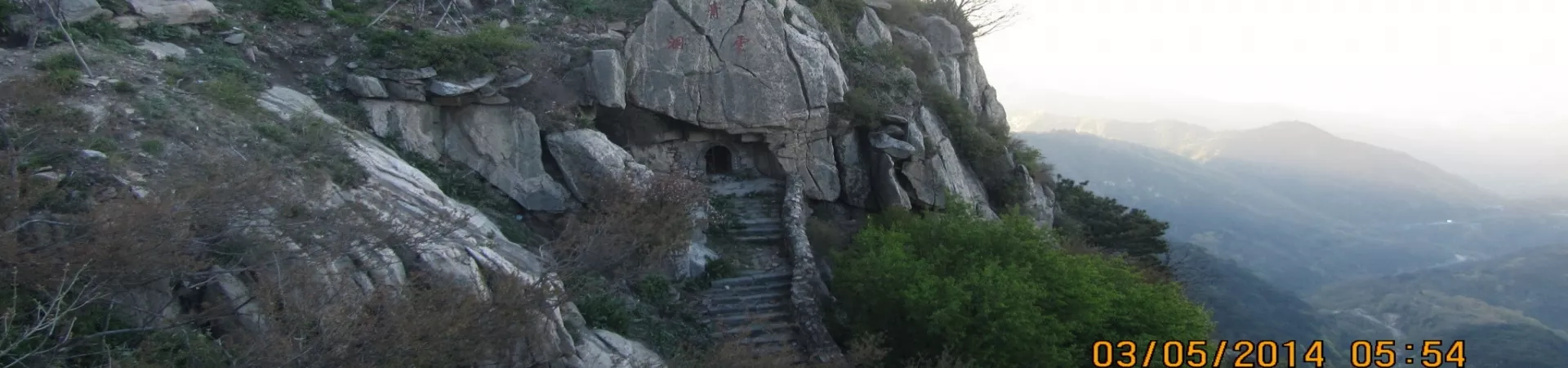
Nestled within the dramatic karst topography of Qingyun Mountain in Yiyang, Hunan Province, lies the awe-inspiring Qingyun Cave. Located northwest of Malu Town, the cave presents an entrance of monumental scale, a gaping maw in the earth that immediately commands reverence. Visitors are first met by a near-vertical cliff face soaring approximately one hundred meters high, its surface adorned with a lush, verdant tapestry of trees and shrubs that cling tenaciously to the stone. Below this imposing natural archway, a canyon of sheer cliffs and fantastical, weathered rock formations creates a landscape both intimidating and mesmerizing, setting a powerful stage for the wonders within. This is not merely a geological site; it is a gateway intertwining breathtaking natural artistry with profound historical resonance, famously known by many as the "Quzi Garrison Cave."
The Grand Interior: A Symphony of Stone and Light
Stepping through the colossal entrance, one leaves behind the sunlit world for a vast, subterranean realm. The interior of Qingyun Cave is expansive, a series of grand chambers and winding passages that evoke a sense of timeless majesty. Here, the slow, patient work of water over millennia has sculpted a dazzling array of speleothems. Stalactites descend from the ceilings like frozen waterfalls, while stalagmites rise from the floors in majestic columns, often meeting to form towering pillars. The play of carefully placed illumination over these formations brings the cave to life, casting a spectrum of colors that highlight the intricate textures and shapes. The cavern shimmers with an ethereal, "flowing light and异彩" (yìcǎi, extraordinary splendor), where every turn reveals a new spectacle—a curtain of stone, a petrified waterfall, or a cluster of delicate helictites resembling coral gardens. This natural gallery offers a serene yet spectacular journey through the heart of the mountain.
Historical Echoes: The Legend of Qu Yuan and the Resistance
Beyond its physical beauty, Qingyun Cave holds a deep historical significance that elevates it from a natural wonder to a cultural treasure. According to research and analysis by scholars, notably Professor Zhang, this cavern system is believed to have served as a crucial stronghold and command center during the Warring States period. It is theorized that the great poet-patriot Qu Yuan, a revered Chu state official and the father of Chinese romantic poetry, used this very cave as a base to organize and lead Chu forces in resistance against the expanding Qin state. This connection has led to its local name, "Quzi Tunbing Dong" (屈子屯兵洞), or "Qu Yuan's Garrison Cave."
Throughout the cave, numerous scenic spots are intimately linked to this legend. Guides often point out specific formations and areas interpreted as ancient barracks, strategic lookout points, or council chambers. These features are woven into narratives of Qu Yuan's leadership, his strategic planning, and the daily lives of the soldiers who sought refuge within these stone walls. This layer of human history imbues the geological formations with a poignant spirit, allowing visitors to imagine the echoes of ancient discussions and the quiet determination of a people defending their homeland. The cave thus stands as a silent monument to a pivotal era and one of China's most celebrated cultural figures.
Visitor Information: Planning Your Exploration
Getting There Qingyun Cave is situated in the Qingyun Mountain area, northwest of Malu Town in Yiyang City. Visitors can typically reach Yiyang by train or long-distance bus from major cities like Changsha. From Yiyang city center, the most convenient way to reach the cave is by hiring a private taxi or booking a local tour that includes transportation. The final approach offers scenic views of the characteristic karst landscape of the region.
Admission Fees * Adult Ticket: 40 RMB * Child Ticket: 20 RMB Ticket prices provide access to the main cave pathways and the surrounding scenic entrance area.
Operating Hours The cave is open to the public daily from 09:00 to 17:00. These hours are consistent throughout the year, from January 1st to December 31st.
Suggested Duration A comprehensive visit to explore the main chambers, appreciate the formations, and absorb the historical context typically requires between 1 to 3 hours. This allows for a comfortable pace to navigate the paths, take photographs, and reflect on the site's dual heritage.
Practical Considerations for the Visit The paths inside are generally well-maintained, but comfortable, non-slip walking shoes are essential due to potentially damp surfaces. The cave maintains a cool, constant temperature year-round, so carrying a light jacket is advisable even in summer. While lighting highlights the features, some sections may be dim, so watching your step is important. The combination of immense natural beauty and the weight of ancient legend makes a visit to Qingyun Cave a uniquely enriching experience, appealing equally to lovers of geology, history, and timeless Chinese culture.