Bailu Temple
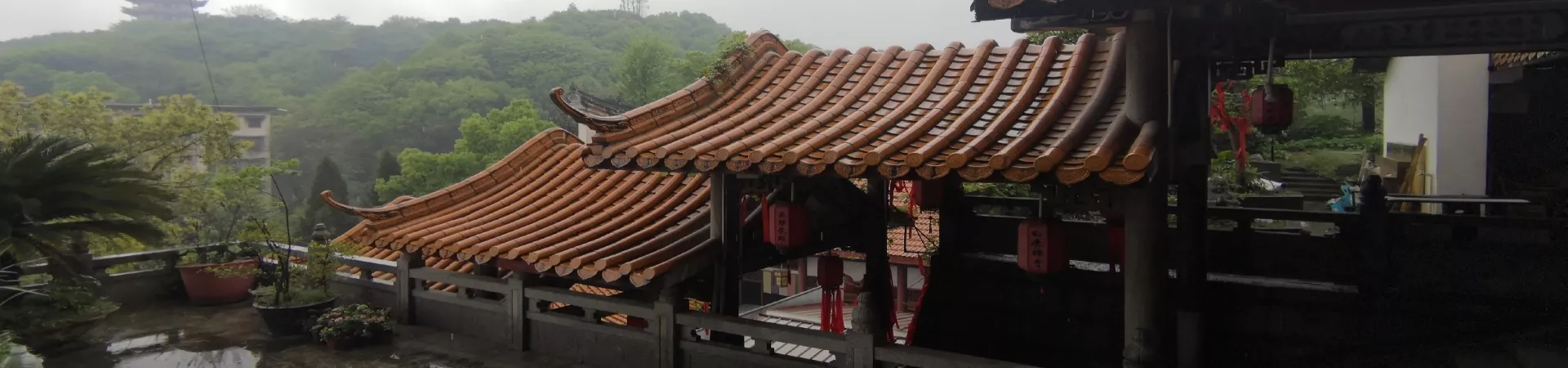
Subtitle: A Journey into Tranquility and History: Unveiling the Mysteries of Bai Lu Temple in Yiyang
Introduction: A Sanctuary by the River
Nestled on the picturesque banks of the Zi River in Yiyang City, Hunan Province, the Bai Lu Temple (White Deer Temple) stands as a serene testament to centuries of Buddhist faith, cultural resilience, and architectural elegance. More than just a religious site, it is a living museum, a haven of peace, and a pivotal piece in the historical tapestry of the Dongting Lake region. For the discerning traveler seeking spiritual depth, historical insight, or simply a respite from the urban clamor, a visit to Bai Lu Temple offers a profoundly enriching experience. This guide delves into the temple's captivating legends, its architectural and artistic treasures, the immersive cultural atmosphere, and essential practical information for your visit.
1. The Legend of the White Deer: Foundation of a Sacred Space
The very name of the temple is rooted in a beautiful and enduring legend that continues to define its spiritual character.
1.1. The Miraculous Encounter According to local lore, the temple's origins date back to the Tang Dynasty (618-907 AD). It is said that the esteemed Buddhist monk Pei Xiu, during his travels, witnessed a mystical white deer frequently lingering at this specific site by the Zi River. In the cultural and religious context of the time, the white deer was often seen as a divine creature, a symbol of purity, longevity, and a messenger of auspicious tidings. Interpreting the deer's presence as a sacred sign, Pei Xiu was inspired to establish a temple on this spiritually charged ground, naming it "Bai Lu Si" in honor of the celestial guide.
1.2. Symbolism and Lasting Legacy This founding myth is not merely a story; it infuses the temple's identity with a sense of divine selection and natural harmony. The white deer symbolizes the temple's core principles of compassion, wisdom, and the peaceful coexistence between humanity and nature. As visitors walk through the courtyards, this legend invites them to look beyond the physical structures and feel the timeless, serene energy that has attracted pilgrims and seekers for over a millennium.
2. Architectural Harmony and Artistic Splendor
Bai Lu Temple exemplifies the classical layout and decorative artistry of traditional Chinese Buddhist temple architecture, adapted beautifully to its riverside setting.
2.1. Layout Along the Central Axis The temple complex is meticulously arranged along a central north-south axis, a design philosophy representing balance and spiritual order. Visitors typically progress through a sequence of halls, each serving a distinct purpose and increasing in sanctity.
- 2.1.1. The Hall of Heavenly Kings (Tianwang Dian): This entrance hall houses the majestic statue of the laughing Maitreya Buddha, welcoming all who enter. Flanking him are the Four Heavenly Kings, fierce guardians of the Buddhist law and the temple grounds.
- 2.1.2. The Grand Hall (Daxiong Baodian): The heart of the temple, this main hall is an architectural marvel with its sweeping upturned eaves and intricate dougong brackets. It enshrines the central figures of Sakyamuni Buddha, along with disciples like Ananda and Kasyapa, and often Bodhisattvas such as Manjushri and Samantabhadra. The atmosphere here is one of profound reverence, filled with the scent of incense and the soft murmur of prayers.
- 2.1.3. The Buddhist Texts Library & Later Halls: Behind the Grand Hall lie other important structures, which may include a hall dedicated to Guanyin (the Bodhisattva of Compassion) or a pagoda, serving as repositories for scriptures and spaces for meditation and study.
2.2. Details That Captivate The temple's beauty lies in its details. Look for the exquisite wood carvings adorning beams and doorframes, depicting floral motifs, mythical creatures, and Buddhist symbols. The roof ridges are adorned with glazed ceramic figures, while ancient stone steles inscribed with calligraphy recount the temple's history and Buddhist teachings. The gentle sound of wind chimes hanging from the eaves complements the visual feast, creating a multisensory experience.
3. The Immersive Temple Experience
A visit to Bai Lu Temple is about engaging with a living culture. The daily rhythms and seasonal events provide a deep connection to local religious life.
3.1. Rhythms of Devotion The temple is a working monastery. You may observe monks and nuns engaged in their daily chanting ceremonies, a hypnotic and melodic practice that takes place at dawn, noon, and dusk. Participating in or simply witnessing these rituals offers a glimpse into the disciplined spiritual life at the temple's core. The act of lighting incense at the large bronze burners—a gesture of respect, prayer, and the transience of life—is a practice open to all visitors.
3.2. Seasonal Festivals and Cultural Nexus The temple calendar is marked by vibrant Buddhist festivals. The most significant is the Buddha Bathing Festival on the 8th day of the 4th lunar month, celebrating the birthday of Sakyamuni Buddha with colorful and solemn ceremonies. During Chinese New Year and other holidays, the temple becomes a bustling center of community activity, blending religious observance with local customs. Its location also makes it a perfect starting point for exploring Yiyang's other attractions, such as the Taoist complex of Junshan Longevity Temple or the natural beauty of the surrounding Dongting Lake area.
4. Essential Visitor Information
To ensure a smooth and respectful visit, please note the following practical details.
4.1. Admission and Operating Hours The temple maintains an admission fee of 10 RMB, which contributes to the preservation and upkeep of this historic site. Operating hours vary seasonally to accommodate longer daylight hours and visitor patterns during the summer period.
- Summer Schedule (August 15 - September): The temple is open from 6:00 AM to 8:00 PM.
- Standard Schedule (October - August 14 of the following year): The temple is open from 6:00 AM to 6:00 PM. It is advisable to plan your visit during the morning or late afternoon to avoid peak crowds and experience the temple in the soft, evocative light.
4.2. Temple Etiquette and Guidelines As a place of worship, respectful conduct is paramount. Dress modestly, covering shoulders and knees. Speak in a hushed tone to maintain the tranquil atmosphere. When photographing, be discreet, avoid using flash inside the halls, and always refrain from taking pictures of monks or nuns during private prayer without explicit permission. Follow any posted signs regarding restricted areas.
4.3. Contact and Location For specific inquiries, particularly regarding group visits or special ceremonies, the temple can be contacted at 0737-4208349. Bai Lu Temple is conveniently located within Yiyang city, easily accessible by taxi or local public transportation. Its riverside position also makes for a pleasant stroll along the banks of the Zi River, allowing the journey to the temple to be part of the reflective experience.