Anhua Tea Horse Ancient Road Scenic Area
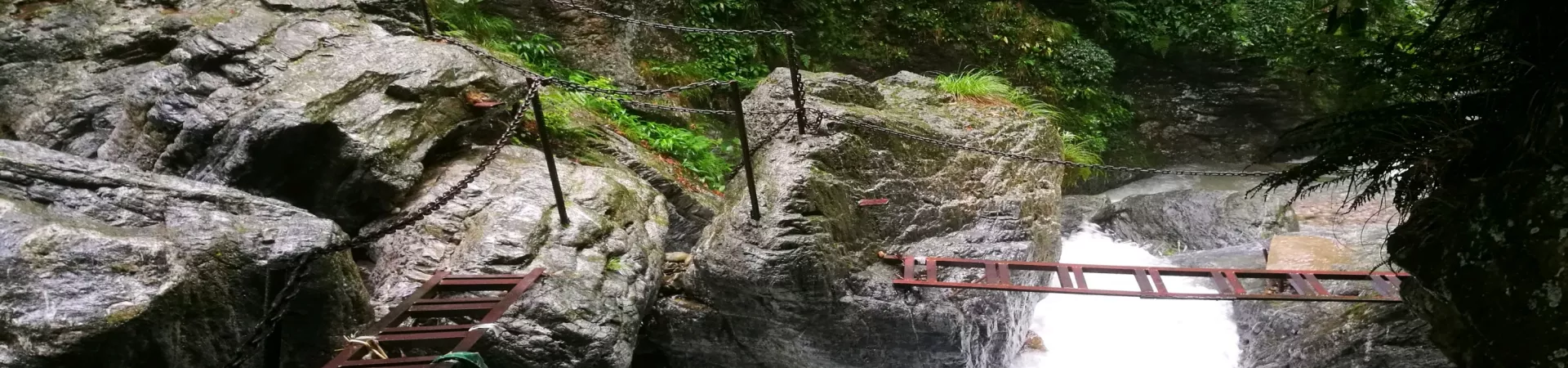
Subtitle: Tracing the Ancient Trails of Tea and Trade in Anhua, Hunan
1. Introduction: The Echo of Hoofbeats in the Misty Mountains
Beyond the incessant hum of modern traffic lies another world, captured in the old verse: "Beyond the mountains, carriages drone ceaselessly; within the mountains, bells ring as the horse caravans come." Winding through the formidable peaks, deep ravines, and rushing streams of Anhua County in China's Hunan Province, lies the ancient Tea Horse Road. This is not merely a path but a silent witness to centuries of perseverance and cultural exchange. For over a millennium, countless muleteers and their caravans traversed these rugged trails in solemn procession. The distant, rhythmic chime of horse bells once echoed persistently over valleys, against the roar of torrents, and above remote villages, weaving a living tapestry that connected disparate peoples and cultures. Today, the physical and spiritual imprints of this epic history remain deeply etched into the landscape, inviting visitors to step into a living narrative of adventure and fusion.
2. The Historical Tapestry of the Anhua Tea Horse Road
2.1. The Cargo That Built a Civilization: Tea and Horses This network of trails, part of the broader Tea Horse Road system, was the vital economic and cultural artery linking agrarian central China with the pastoral highlands of Tibet and beyond. The primary currency of this exchange was, as the name suggests, tea and horses. Anhua, renowned as the birthplace of dark tea (Heicha), particularly the famous Fu Brick Tea, was a crucial starting point. Caravans laden with tightly packed bricks of this prized tea embarked on perilous journeys westward. In return, they brought back hardy Tibetan horses, salt, herbs, and other commodities. This trade was far more than commercial; it was a lifeline that sustained communities, fostered interdependence, and facilitated a continuous, slow-burning dialogue between civilizations.
2.2. Caravans, Muleteers, and the Spirit of the Journey The true soul of the road resided in the muleteers and their horse or mule caravans. These were journeys measured in months, facing formidable natural barriers—sheer cliffs, treacherous river crossings, and unpredictable weather. The caravans, often comprising dozens of animals, moved in single file along narrow paths. The lead horse's bell, a sound now synonymous with the route, served both a practical purpose to keep the group together and a poetic one, announcing their arrival to isolated hamlets. Life on the trail forged a unique culture of resilience, tacit understanding, and camaraderie, blending the customs of Han traders with those of ethnic groups like the Miao and Tujia along the route.
3. Exploring the Anhua Tea Horse古道风景区 (Ancient Road Scenic Area)
3.1. Tangible History: The Trail's Enduring Markers Walking the preserved sections of the trail today is an immersive historical experience. The path itself tells stories:
- The Stone-Paved Path and Hoof Prints: In certain sections, the ancient stone flagstones, worn smooth and glossy by countless footsteps and hoofbeats over centuries, are still intact. At times, one can discern faint, weathered hoof prints embedded in the rock—a direct, physical connection to the countless caravans that passed.
- The廊桥 (Covered Bridge): Spanning the mountain streams, the wooden covered bridges, or Langqiao, stand as majestic monuments to ancient engineering and community spirit. Built to shelter travelers and goods from the elements, these bridges, with their robust timber frames and often elegant roof structures, have withstood centuries of wind and rain. Standing on one, you can almost hear the echoes of bustling muleteers taking respite.
3.2. A Landscape of Breathtaking Natural Beauty The historical journey is set within a context of stunning natural scenery. The trail snakes through lush, bamboo-filled forests, alongside clear, rushing rivers, and offers panoramic vistas from high mountain passes. The air is fresh and often misty, adding an aura of mystery and timelessness. The symbiotic relationship between the human history of the trail and the untamed beauty of the Xuefeng Mountains creates a powerfully evocative atmosphere.
4. Practical Visitor Information
4.1. Admission and Opening Hours A significant advantage for visitors is the site's accessibility: * Admission Fee: Free. The scenic area is open to the public without an entrance charge, allowing for unimpeded exploration of this cultural heritage. * Opening Hours: The scenic area is open daily from 08:30 to 17:30. The last admission is at 16:30. These hours apply throughout the year, from January 1st to December 31st.
4.2. Tips for the Modern-Day Wayfarer To fully appreciate the experience, consider these suggestions: * Footwear and Preparation: Wear sturdy, comfortable hiking shoes with good grip, as the ancient stone paths can be uneven and slippery, especially after rain. * Pacing and Exploration: This is a site for contemplation rather than haste. Walk slowly, observe the details—the moss on the stones, the construction of the bridges, the play of light through the trees. * Contextual Understanding: While the physical trail is eloquent, having some prior knowledge about the Tea Horse Road's history, the significance of Anhua tea, and the life of the muleteers will profoundly deepen the connection to the landscape. Consider researching or engaging a local guide for richer insights. * Respect and Preservation: As a cherished historical site, visitors are encouraged to practice "leave no trace" principles, respecting the tranquility of the area and ensuring its preservation for future generations.