Xilingxia Scenic Area
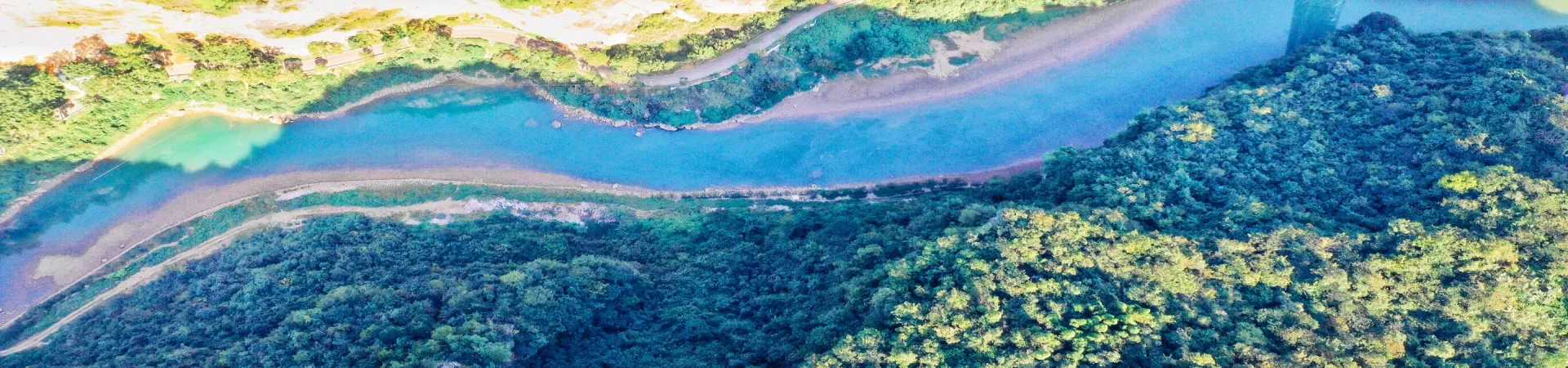
Subtitle: A Journey Through Time and Torrent: Unveiling the Dramatic Heart of the Three Gorges
Introduction: The Realm of Perilous Beauty
Xiling Gorge, the easternmost and longest of the famed Three Gorges of the Yangtze River, has captivated and challenged travelers for millennia with its formidable reputation. Known primarily for its "perilous" nature, it is celebrated as the most dramatic and rugged section of the entire gorge system. Stretching approximately 76 kilometers from Xiangxi Kou in Zigui County to Nanjin Pass in Yichang City, Hubei Province, Xiling Gorge is not a single, uniform canyon but a breathtaking succession of constricted passages, roaring rapids, and serene vistas. Its landscape is a powerful symphony of water and stone, where the mighty river, forced between towering cliffs, reveals its raw power. This dramatic setting has served as a profound muse, inspiring literary giants from the ancient poet Qu Yuan to Tang and Song dynasty masters like Bai Juyi, Ouyang Xiu, and Su Zhe, who immortalized its awe-inspiring scenery in timeless verse.
Navigating the Gorge: A Tapestry of Rapids and Peaks
The historical character of Xiling Gorge was defined by its notorious rapids and hidden reefs, which made navigation a legendary feat. While modern water-level management has tamed some of the fiercest currents, the gorge's essential topography remains a stunning display of nature's force.
The Northern Banks: History and Legend in Stone The north bank of the gorge is a scroll of cultural and geological wonders. Here, visitors encounter the Bing Shu Bao Jian Gorge (Book and Sword Gorge), named for rock formations high on the cliff face that resemble a stack of books and a long sword, shrouded in ancient legends. Further east lies the vividly named Niu Gan Ma Fei Gorge (Ox Liver and Horse Lung Gorge), where distinctive, hanging brownish-yellow rock formations evoke these visceral shapes. A highlight of any journey is passing near Zigui County, the revered hometown of the patriotic poet Qu Yuan. This area serves as a deep cultural anchor, connecting the physical grandeur of the gorge to China's rich literary and historical traditions.
The Southern Banks: A Play of Light and Shadow Opposite these historic sites, the southern bank presents the enchanting Dengying Gorge (Shadow Play Gorge). As the sun shifts, the peaks here take on the fantastical silhouettes of characters from Chinese classic novels, particularly Journey to the West, creating a natural theater of light and shadow that contrasts with the north bank's solemnity.
Practical Information for Your Visit
Getting There The most common access point for key attractions within Xiling Gorge is from Yichang City. Visitors can take Public Bus 10-1 and alight at the Sanxia Houxi (Three Gorges Monkey Creek) bus stop. From there, it is a short walk to the ticket areas and scenic spots. Many tourists also experience the gorge via organized Yangtze River cruises, which offer a comprehensive, on-water perspective.
Admission and Tickets Xiling Gorge encompasses several distinct ticketed attractions. A visit can be customized based on interest: * Sanyou Cave: A historic cave celebrated by poets, admission is approximately 65 RMB for adults. * Xiling Shiwai Taoyuan (Xiling Paradise): A scenic area showcasing local flora and cultural displays, admission is around 55 RMB for adults. * Combined Xiling Gorge Boat Tour + Three Gorges Dam Sightseeing Bus: This popular option provides a boat journey through sections of the gorge and land access to the Dam. The combined ticket is about 160 RMB for adults.
Operating Hours Visiting hours vary seasonally: * March 1 - October 31: 08:00 - 16:00 (Last entry at 16:00). * November 1 - February 28: 09:00 - 16:00 (Last entry at 16:00). It is highly advisable to allocate a minimum of 3 to 4 hours to appreciate even a portion of the gorge's sights, with a full day recommended for a more in-depth exploration of multiple sites.
The Enduring Allure: More Than a Scenic Pass Today, Xiling Gorge presents a multifaceted experience. It is a living museum of geological power, where "gorge within a gorge" reveals layered rock formations. It is an open-air archive of Chinese poetry, where every turn evokes the verses of the past. Furthermore, the eastern end of the gorge brings visitors to the monumental Three Gorges Dam, creating a stark and fascinating dialogue between ancient natural majesty and modern human engineering. This juxtaposition adds a profound contemporary layer to the journey. Whether viewed from the deck of a cruise ship, a sightseeing boat, or from the winding paths along its banks, Xiling Gorge offers an unforgettable encounter with the soul-stirring landscape that has shaped both the physical and cultural contours of China.