wuluozhongli mountain
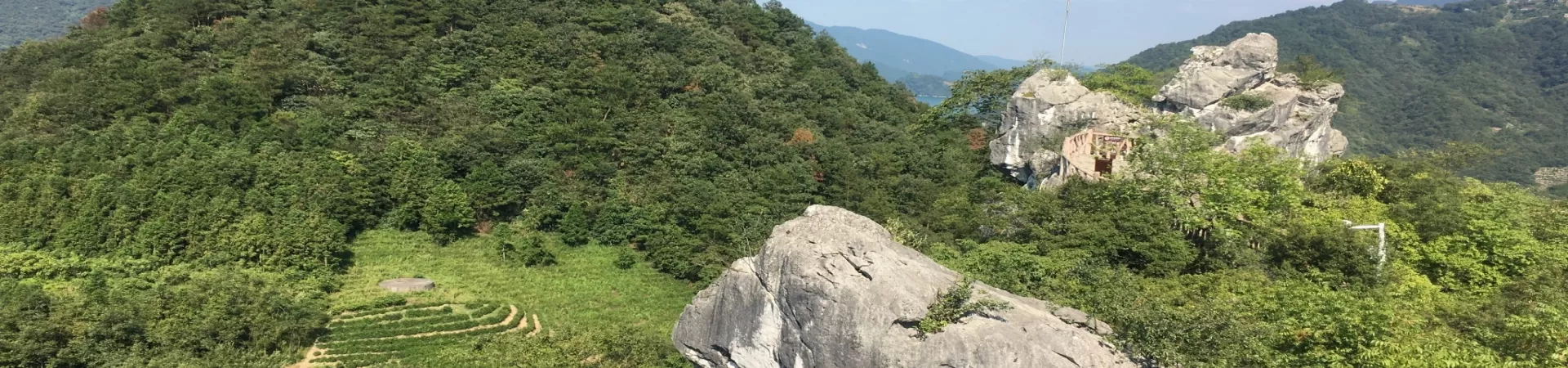
Subtitle: The Sacred Mountain of the Tujia People – A Journey to the Origin
1. Introduction: The Cradle of a Nation Nestled within the breathtaking landscape of the Qingjiang River Gallery Tourist Resort in Yichang, Hubei Province, stands Wuluo Zhongli Mountain, revered as the sacred ancestral homeland and birthplace of the Tujia ethnic group. This culturally and spiritually significant site, often poetically called the "Chinese Tujia Sacred Mountain," draws over eight million Tujia people scattered across China for pilgrimage and ancestral veneration. It is not merely a mountain of remarkable natural beauty but a living monument to the origins, legends, and enduring spirit of an entire people. The mountain rises from the waters, its highest peak reaching approximately 384.8 meters, creating an isolated, serene, and profoundly symbolic terrain where history, myth, and nature intertwine seamlessly.
2. The Legendary Origins: From Red Cave to King 2.1 The Birth of a Leader The heart of the mountain's significance lies in a foundational legend passed down through generations. It is believed that the common ancestor of all Tujia people, a legendary chieftain named Ba Wuxiang, also known as Lord Lin (Lin Jun), was born in a specific "Red Cave" or "Chixue" on this very mountain. According to the epic tales, Ba Wuxiang emerged as a powerful and wise leader from this crimson-hued cavern, unifying five ancient clans through a series of tests of skill, strength, and divine will. His successful leadership marked the dawn of the Ba culture, the direct precursor to the Tujia civilization.
2.2 The Legacy of Lin Jun The story of Lin Jun extends beyond his birth. He is celebrated for leading his people on a great migration, ultimately establishing the first capital of the Ba Kingdom. His journey symbolizes exploration, courage, and the founding of a collective identity. Therefore, Wuluo Zhongli Mountain represents the very starting point of this epic historical journey. The mountain is not just a geographical location but the symbolic womb of Tujia culture, making every visit a tangible connection to this deep and storied past.
3. The Pilgrimage Experience: Ritual and Ascent 3.1 A Modern-Day Pilgrimage Today, the mountain serves as a powerful focal point for cultural continuity. Every year, thousands of Tujia descendants from Hunan, Hubei, Sichuan, Guizhou, and Chongqing make the journey to Wuluo Zhongli Mountain. Their purpose is profound: to trace their roots, worship their ancestors, and reaffirm their cultural bonds. This continuous stream of pilgrims transforms the site from a static historical landmark into a vibrant, living center of ethnic identity and spiritual practice. Visitors may witness or sense these solemn rituals of remembrance, adding a layer of contemporary cultural depth to the experience.
3.2 The Symbolic Climb: 376 Steps to the Summit The physical ascent of the mountain is a central part of the pilgrimage, rich with symbolic meaning. Visitors climb a path of 376 blue stone steps that wind their way to the summit. This number is not arbitrary; in Chinese culture, the climb is imbued with an auspicious wish for "ascending step by step" (bu bu gao sheng), metaphorically representing progress, promotion, and the upward journey of life and endeavor. Each step taken is thus not only a physical effort but also a participation in this symbolic act of aspiration, mirroring the legendary rise of Lin Jun himself. The climb offers progressively stunning panoramic views of the surrounding Qingjiang River, whose turquoise waters encircle the mountain like a protective moat, enhancing the sense of isolation and sanctity.
4. Practical Visitor Information 4.1 Location and Access Wuluo Zhongli Mountain is an integral part of the Qingjiang River Gallery Tourist Resort. Access is typically combined with a scenic boat cruise along the stunning Qingjiang River, known for its clear blue waters and karst formations resembling an open-air gallery. The mountain itself appears as an island of cultural heritage amidst this natural masterpiece.
4.2 Admission and Tickets There is no separate entrance fee for Wuluo Zhongli Mountain. Admission is covered by the general Qingjiang River Gallery Tourist Resort ticket. It is highly advisable for visitors to check the latest inclusive tour options and ticket prices directly with the resort authorities or official platforms prior to their visit.
4.3 Operating Hours The general operating hours for the mountain site are from 09:30 to 16:30, Monday through Sunday, throughout the year. However, these hours are subject to change due to weather conditions, seasonal adjustments, or special events.
Important Note: It is strongly recommended that visitors verify the exact opening and closing times on the day of their intended visit, either by contacting the resort directly or checking its official announcements, to ensure a smooth travel experience.
4.4 Contact Information For the most accurate and current information, inquiries can be made to the Qingjiang River Gallery Tourist Resort. A relevant contact number is: 0717-5319721.