Three Gorges
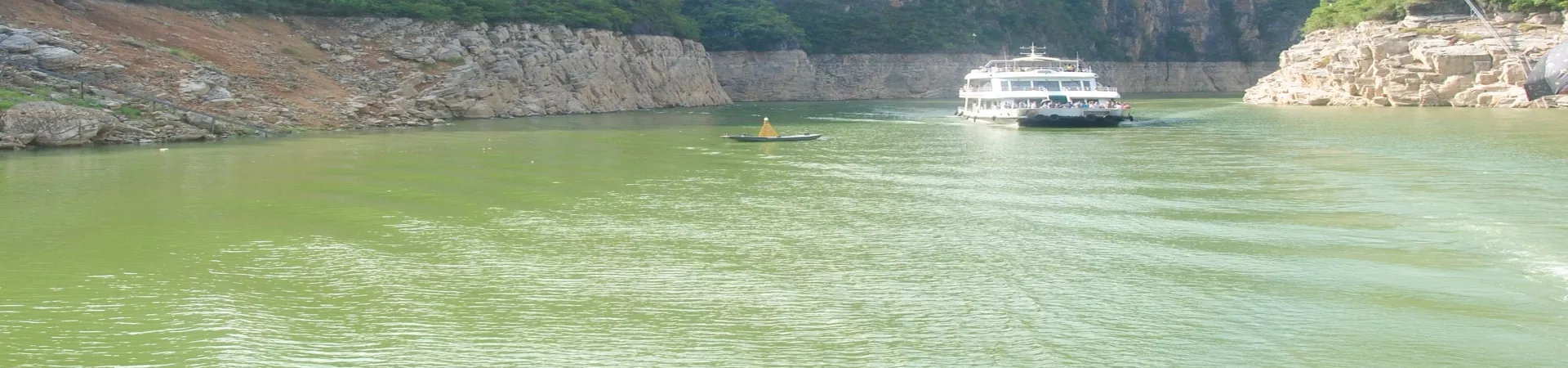
Subtitle: A Journey Through Time and Majesty: Unveiling the Yangtze River Three Gorges
1. Introduction: The Heart of the Yangtze Stretching approximately 193 kilometers from Baidi City in Fengjie County, Chongqing, in the west to Nanjin Pass in Yichang City, Hubei Province, in the east, the Yangtze River Three Gorges represents one of China's most awe-inspiring natural wonders and cultural corridors. This majestic section of the mighty Yangtze River carves its path through towering limestone cliffs and mist-shrouded peaks, creating a landscape of breathtaking grandeur that has inspired poets, artists, and travelers for millennia. More than just a scenic route, it is a living museum of geology, history, and human endeavor, where ancient legends intertwine with modern engineering marvels. A journey here is not merely a cruise but an immersive passage through the very soul of China.
2. The Three Gorges: A Trio of Natural Masterpieces The journey through the gorges unfolds like an epic scroll painting, each section offering a distinct character and spectacle.
2.1. Qutang Gorge: The Grand and Imposing Portal The westernmost and shortest of the three, Qutang Gorge is often described as the most majestic. Its sheer, towering cliffs rise dramatically from the river, narrowing the waterway to a mere hundred meters at its most constricted point, creating a sense of powerful, rushing energy. The sight of the monumental Kuimen Gate, the towering precipice famously depicted on the back of China's 10-yuan RMB note, is an unforgettable highlight, serving as a formidable and symbolic entrance to the gorges.
2.2. Wu Gorge: The Elegant Realm of Mystery and Legend Renowned for its deep, serene beauty and ethereal atmosphere, Wu Gorge is a place of quiet elegance and enduring myth. Its twelve peaks, perpetually draped in delicate clouds and mist, line the riverbanks like a procession of graceful spirits. The most famous of these, the Goddess Peak, is steeped in legend and resembles a solitary figure gazing upon the river, embodying the poetic and romantic spirit that has long been associated with this region. The ever-changing play of light and mist across these peaks creates a dreamlike, painterly landscape.
2.3. Xiling Gorge: The Longest and Most Turbulent Passage As the longest and historically most treacherous of the gorges, Xiling Gorge was once famed for its dangerous rapids and hidden shoals. Today, the raised water levels from the dam project have tamed its fury, revealing a different kind of beauty—a wider, more expansive vista of jagged peaks, hidden streams, and archaeological sites. It serves as a powerful reminder of the river's raw power and the dramatic transformation brought about by modern engineering, culminating in the sight of the monumental Three Gorges Dam itself near Yichang.
3. Cultural and Historical Treasures Along the Riverbanks The banks of the Yangtze in this region are dotted with sites of profound historical and cultural significance, each telling a unique story of China's past.
3.1. Chongqing's Riverside Heritage Upstream from the gorges proper, the Chongqing section of the river offers a rich tapestry of attractions. The peculiar and magnificent Shibaozhai (Stone Treasure Fortress), a 12-story wooden pagoda built against a solitary cliff, is a masterpiece of ancient architecture. The Fengdu Ghost City, perched on Ming Mountain, is a unique complex of temples and shrines dedicated to the afterlife in Chinese mythology, earning its title as the "Capital of Ghosts." The Zhang Fei Temple commemorates a famous general from the Three Kingdoms period, while sites like the White Emperor City (Baidi Cheng) and the Holding Orphan Hall (Tuogu Tang) are steeped in the lore of the Shu Han kingdom.
3.2. Archaeological and Ecological Highlights Further enriching the journey are sites like the Baiheliang Underwater Forest, an ancient hydrological station consisting of submerged rock inscriptions that served as a low-water marker for centuries, now protected in an underwater museum. The Wushan Cultural Site at Longgu Hill offers a glimpse into prehistoric human activity. For nature enthusiasts, tributary excursions into the Lesser Three Gorges of the Daning River and the Lesser Lesser Three Gorges of the Madu River provide intimate encounters with crystal-clear waters, soaring gorges, and dense forests on a smaller, more secluded scale.
4. Practical Information for Your Journey A visit to the Three Gorges requires careful planning, as the primary mode of exploration is by river cruise.
4.1. Transportation and Access The standard and most rewarding way to experience the Three Gorges is aboard a tourist riverboat or cruise ship. These vessels range from basic tourist boats to luxurious cruise liners, with journeys typically lasting between 2 to 5 days, traveling downstream from Chongqing to Yichang or upstream in the reverse direction. Most visitors first travel to major gateway cities: Chongqing (upstream) or Yichang (downstream). Both cities are accessible via domestic flights or high-speed rail from across China. From there, transport is arranged to the respective cruise terminals to board the ship.
4.2. Key Considerations for Travelers It is important to note that the Three Gorges Dam itself is a major attraction, and tours to the dam are usually included in cruise itineraries when disembarking in Yichang. The dam's operation can occasionally affect transit; for instance, ship locks undergo periodic maintenance, which may lead to itinerary adjustments, temporary closures, or the use of alternate lock systems, as was the case during a scheduled maintenance period in early 2018. Travelers should check with cruise operators for the latest navigation status.
4.3. General Visitor Information * Opening Hours: The river itself and the scenic areas are accessible 24 hours a day, year-round. Specific attraction hours along the banks may vary. * Admission: There is no single "ticket" for the Three Gorges scenery itself. Costs are bundled into cruise package prices, which cover accommodation, meals, and guided shore excursions to various included sites (e.g., Shibaozhai, the Lesser Three Gorges, the Three Gorges Dam site). Entrance fees for optional excursions are typically extra. It is essential to consult with your chosen cruise company or tour operator for detailed pricing and itinerary specifics. * Suggested Duration: A full transit cruise from Chongqing to Yichang (or vice versa) typically requires a minimum of 3 nights and 4 days to comfortably cover the major sights. Shorter, partial itineraries are also available. * Contact: For independent inquiries, you may contact local tourism authorities. One relevant contact number for the Yichang/Three Gorges Dam area is +86 717 6910001.