Quyuan Hometown
A Journey to the Homeland of Qu Yuan: Culture, History, and the Mighty Yangtze
Nestled on the northern bank of the Yangtze River in Zigui County, Yichang City, Hubei Province, lies a site of profound cultural reverence and breathtaking scenic power: the Homeland of Qu Yuan. This expansive park is far more than a simple memorial; it is a multifaceted destination where ancient Chu culture, the immortal legacy of China's great patriotic poet, and the awe-inspiring modern vista of the Three Gorges Dam converge. As a designated AAAAA-level tourist attraction (China's highest rating) and a National Key Cultural Relics Protection Unit, it offers visitors a deep, immersive experience into the soul of Chinese history and intangible heritage.
The Heart of the Park: Honoring a Patriotic Poet
The central pillar of the Homeland of Qu Yuan is its dedication to the life and spirit of Qu Yuan (c. 340–278 BC), a revered statesman and poet from the Warring States period. His profound love for his kingdom, Chu, and his ultimate sacrifice—drowning himself in the Miluo River in protest against corruption—are commemorated during the annual Dragon Boat Festival. The park serves as his spiritual home.
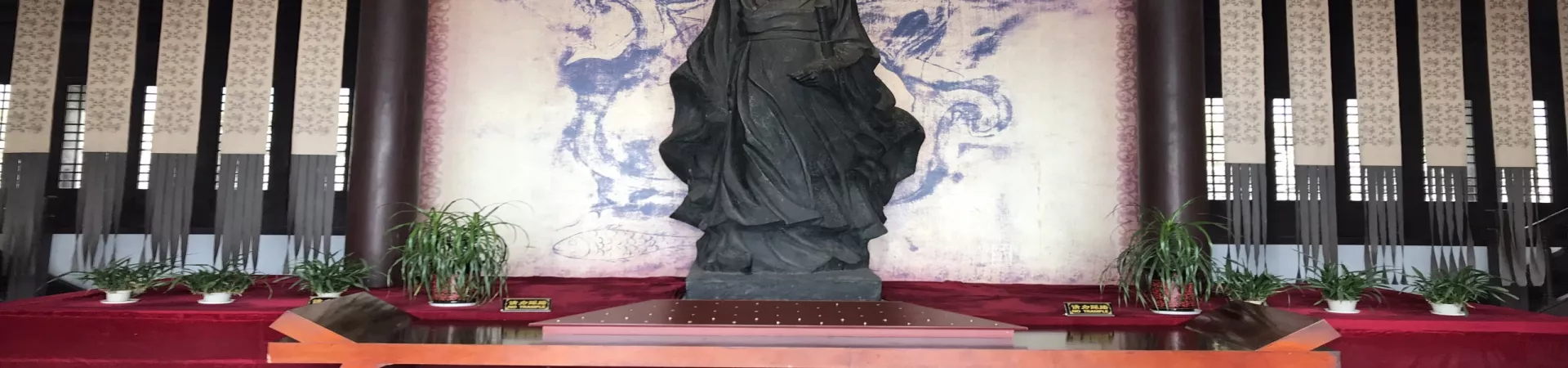
- Qu Yuan Temple (Qu Yuan Ci): The centerpiece of the cultural zone is the majestic Qu Yuan Temple. This complex, often rebuilt throughout history and meticulously reconstructed in its current location due to the rising waters of the Three Gorges Reservoir, is a solemn and elegant architectural tribute. Visitors pass through grand gates, courtyards, and halls that house statues, historical relics, and extensive inscriptions of his poetry. The atmosphere is one of quiet reflection, allowing one to contemplate the poet's enduring ideals of loyalty, integrity, and love for one's homeland.
- Qu Yuan's Cenotaph: Adjacent to the temple lies Qu Yuan's clothing tomb, or cenotaph. As his physical body was never recovered, this burial mound containing personal effects stands as a symbolic grave. It is a poignant site where visitors can pay their respects, underscoring the deep cultural mourning and lasting admiration that has been felt for this historical figure for over two millennia.
A Living Museum: Intangible Cultural Heritage
Beyond the stone and mortar of historical monuments, the park pulsates with the living traditions of the region. It is recognized as a first-rate national base for the protection and transmission of intangible cultural heritage, actively keeping ancient arts alive.
- Xiajiang Shadow Puppetry: In dedicated performance areas, masters manipulate intricately carved leather puppets behind backlit screens, bringing to life stories from folklore and history. The distinctive style of this regional puppetry, with its unique operatic singing and music, offers a captivating glimpse into local storytelling traditions.
- Ancient Chu Shamanistic Performances: Echoing the spiritual beliefs of the ancient Chu Kingdom to which Qu Yuan belonged, performers engage in ritualistic dances and ceremonies. These acts, often involving traditional costumes, chanting, and symbolic movements, provide a fascinating window into the mystical world that influenced Qu Yuan's own Songs of the South (Chu Ci).
- Boat Trackers' Work Songs (Chuan Gong Haozi): The powerful, rhythmic calls of the boat trackers once echoed through the Three Gorges, essential for coordinating the immense effort of hauling boats upstream against the rapids. While modern navigation has replaced this back-breaking labor, performers preserve the raw, haunting beauty of these work songs, a testament to the resilience and spirit of the Yangtze River's people.
The Grand Panorama: A View of Modern Marvels
The park's geographical location provides a dramatic counterpoint to its ancient themes. Perched on the slopes overlooking the river, it offers one of the most spectacular and accessible public views of one of the modern world's engineering wonders.
- The Phoenix Hill Summit: A climb or a short shuttle ride to the top of Phoenix Hill (Fenghuang Shan) within the park rewards visitors with an unforgettable panorama. From this vantage point, the colossal structure of the Three Gorges Dam is laid out in its entirety, just 600 meters away as the crow flies. The juxtaposition is striking: here, you stand in the homeland of an ancient poet, gazing across the water at a symbol of contemporary China's ambition and technological prowess. The view encapsulates the timeless dialogue between the nation's deep past and its dynamic present.
Essential Visitor Information
- Location: Zigui County, Yichang City, Hubei Province, China. It is conveniently accessible from Yichang's city center by road.
- Opening Hours: 08:00 - 17:00 daily. Last admission is at 17:00.
- Suggested Duration: A minimum of 3 hours is recommended to fully appreciate the temple complex, cultural shows, and the summit view at a comfortable pace.
- Ticketing:
- Standard Adult Ticket: 80 RMB.
- Concession Ticket (40 RMB): Applicable to current students and seniors aged 60 and above upon presentation of valid official identification.
- Special Note: As a gesture of gratitude, from the date of the park's reopening until December 31, 2024, medical personnel who aided Hubei Province during the pandemic can enjoy free admission by presenting their "Gratitude Card" and original ID card.
- Contact: For inquiries, visitors can call 15717895513 or 15717895515.
The Homeland of Qu Yuan is a destination that engages all senses and facets of understanding. It is a place to walk in the footsteps of a literary giant, to witness cultural arts passed down through generations, and to stand in awe of both natural and human-made grandeur on the Yangtze River. It seamlessly weaves together threads of poetry, history, folk art, and stunning landscape into a rich tapestry that leaves a lasting impression on every visitor.