Gezhouba Shiplock
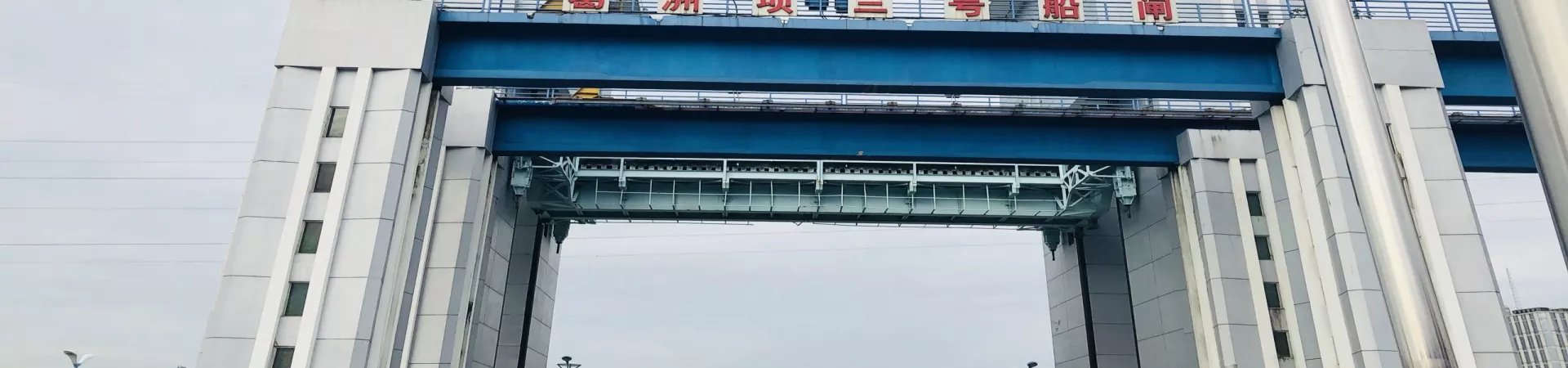
Subtitle: Navigating the Mighty Yangtze: A Visitor's Guide to the Gezhouba Ship Lock
Introduction: A Colossus on the Yangtze
The Gezhouba Ship Lock is not merely a functional gate for vessel passage; it is the operational heart of the Gezhouba Hub's navigation project, a monumental feat of modern engineering that fundamentally transformed China's greatest river. As the first large-scale water conservancy project constructed on the main stem of the Yangtze River, the Gezhouba Water Control Complex rightfully earned the title "The First Dam on the Ten-Thousand Li Yangtze." Its completion marked a pivotal moment in harnessing the river's power and taming its treacherous currents for navigation. The ship lock system, an integral component of this complex, stands as a testament to human ingenuity, designed to lift and lower vessels past the dam, thereby ensuring the vital continuity of this ancient waterway. For visitors, it presents a rare opportunity to witness the scale and precision of infrastructure that supports China's economic arteries, set against the backdrop of the storied Yangtze.
The Engineering Marvel: "Two Lines, Three Locks"
At the core of the Gezhouba navigation system is its sophisticated "two lines, three locks" configuration. This design represents a strategic solution to manage the significant variation in vessel size and traffic volume on the river.
Layout and Function: The complex features two primary navigation channels, each equipped with its own set of locks. This dual-line system allows for simultaneous two-way traffic, significantly enhancing throughput and efficiency. The "three locks" refer to the individual lock chambers—two larger and one smaller—that accommodate different water level differentials. The largest lock chambers are among the biggest of their kind in China at the time of their construction, capable of handling convoys of barges or sizable passenger ships. The process of locking—where a vessel enters a gated chamber, water is either pumped in or out to raise or lower the ship to the next water level, and the gates open to release it—is a mesmerizing ballet of hydrodynamics and mechanical control.
Historical and Strategic Role: Since its inauguration in June 1981, the Gezhouba Ship Lock has played a dual role. Primarily, it served as a crucial anti-regulation navigation cascade project for the later, gargantuan Three Gorges Dam upstream. By stabilizing and improving water flow conditions downstream, it created a predictable and navigable environment. Its most profound impact has been on the notoriously difficult 120-kilometer stretch of the Yangtze through the Three Gorges region. Prior to Gezhouba, this section was fraught with hazards—rapids, narrow channels, and shifting shoals that challenged even the most experienced captains. The dam's reservoir submerged many of these dangers, and the locks provided a safe, controlled passage. This breakthrough unlocked the river, allowing a massive increase in cargo vessels to travel safely to and from the Sichuan basin, catalyzing regional economic development and integration.
Visitor Information: Planning Your Visit
To fully appreciate the Gezhouba Ship Lock, a well-planned visit is recommended. The experience combines observational viewpoints with the context of the surrounding park.
Getting There:
- To Gezhouba Park: This park offers panoramic views of the broader dam complex and is a good starting point. Multiple public bus lines from downtown Yichang provide access. You can take bus numbers 4, 10, 10-1, 16, 21, 34, 100, or 101 and alight at the "Gezhouba Engineering Bureau" (葛洲坝工程局) station. Alternatively, bus number 9 stops at "Gongchengju" (工程局), and bus number 6 stops at "Shiziling Road" (石子岭路站). A taxi from Yichang Railway Station costs approximately 15 RMB.
- To the Ship Lock Viewing Area: For a closer, more focused view of the lock operations themselves, head directly to the dedicated viewing zone. This can be reached by taking bus number 3 or 9 to the "Chuanzha" (船闸, meaning Ship Lock) station. A taxi ride from downtown Yichang typically costs between 15 and 20 RMB.
Practical Details:
- Opening Hours: The viewing areas are accessible daily from 5:00 AM to 9:30 PM throughout the year. The early opening time allows visitors to witness the bustling morning activity on the river.
- Admission: Ticket policies can vary, and it is highly advisable to check the latest information directly with the scenic area administration prior to your visit for the most current pricing and any potential access restrictions.
- Suggested Duration: Allocating about an hour for your visit is generally sufficient to observe several locking cycles, take photographs, and absorb the scale of the operation. However, engineering enthusiasts or photographers may wish to stay longer to capture different stages of the process or varying light conditions.
The Visitor Experience: Witnessing Scale and Synchronization
Standing at the observation deck, the visitor is immediately struck by the sheer scale. The lock chambers are vast concrete canyons. The process begins with a signal, often a blast from a ship's horn, as a vessel—a long string of container barges, a bulk carrier, or a multi-decked tourist cruiser—approaches the entrance. Massive steel gates, stories tall, slowly swing open or retract. The ship is guided in with meticulous care by pilots and tugboats, its sides mere feet from the chamber walls. Once positioned, a deep hum signals the beginning of the water transfer. You won't see turbulent waterfalls; the filling and emptying are controlled through vast underground conduits, causing the water level inside the chamber to rise or fall with a powerful, swirling calmness. The ship, now floating on this artificial platform, ascends or descends as much as 27 meters (the maximum head at Gezhouba) in a matter of minutes. When the water levels equalize, the gates at the opposite end open, and the vessel proceeds on its journey, having conquered the dam. Watching this sequence repeat with different vessels offers a profound understanding of the relentless, orderly pulse of commerce and travel on the Yangtze.
Context and Legacy: More Than Just a Lock
While the ship lock is the dynamic highlight, understanding its place within the Gezhouba complex enriches the visit. The dam itself was a nationwide project, a source of immense pride and a critical learning experience for the even more ambitious Three Gorges Project. It provides flood control, generates significant hydroelectric power (with its distinct, separate power plant), and improved navigation not just through the locks but by regulating the river's flow. The park areas often feature educational plaques and models explaining this broader context. The Gezhouba Ship Lock, therefore, is not an isolated structure but a key piece of infrastructure that represents a turning point in China's relationship with the Yangtze River—from a force to be feared and respected to a force that can be cooperatively managed for energy, safety, and transportation. It turned a natural barrier into a engineered gateway, forever changing the geography and economy of central China.