The Ancient Canal
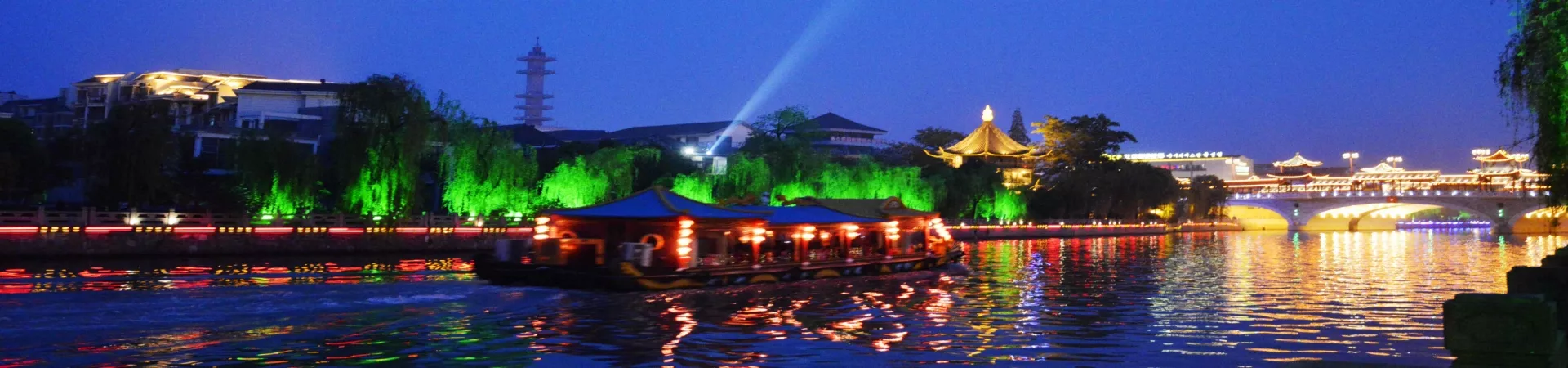
Subtitle: A Journey Through Time: Exploring the Ancient Canal of Yangzhou
1. Introduction: The Grand Canal's Living Legacy
Flowing silently through the heart of Yangzhou, a city synonymous with classical Chinese elegance, the Ancient Canal is not merely a waterway but a pulsating artery of history. This section of the Grand Canal, a UNESCO World Heritage Site, represents the most ancient stretch of the monumental Jing-Hang Grand Canal, the world's longest and oldest artificial river. For over two millennia, this engineering marvel has served as a vital conduit, not just for goods and grain, but for ideas, culture, and people, effectively bridging the diverse civilizations between northern and southern China. To walk along its banks is to traverse a timeline of Chinese heritage, where every stone and ripple whispers tales of dynastic glory, bustling trade, and poetic inspiration.
2. The Historical and Cultural Tapestry of the Canal
2.1. The Cradle of the Grand Canal The Yangzhou section is revered as the genesis point of the Grand Canal's extensive network. Its history is deeply intertwined with the vision of ancient emperors, most notably Emperor Yang of the Sui Dynasty, who orchestrated its major expansion. This project, though colossal and labor-intensive, irrevocably linked the Yellow River and the Yangtze River basins, cementing Yangzhou's status as a pivotal economic and cultural hub for centuries. The canal facilitated the flow of silk, porcelain, salt, and rice, nourishing empires and fostering an unprecedented exchange that shaped the cultural and economic landscape of pre-modern China.
2.2. A Riverside Museum: Sites and Scenes The true charm of the Ancient Canal lies in its impeccably preserved waterfront, which functions as an open-air museum. The water itself, maintained with notable clarity, reflects the elegant silhouettes of historical architecture and lush greenery. Key sites dotting the route include the majestic Wenchang Pavilion, a symbol of the city's scholarly pursuits; the serene Tianning Temple, offering spiritual respite; and the evocative Geyuan Garden, a masterpiece of classical Chinese garden design. Beyond these famed landmarks, the canal banks are lined with traditional dwellings, ancient docks, and stone inscriptions, each layer adding depth to the historical narrative.
2.3. Immersing in Local Life and Customs The canal is the lifeblood of local culture. Observing daily life here provides a genuine connection to Yangzhou's unique customs. One might witness residents practicing Tai Chi at dawn, fishermen tending to their cormorants, or elders sharing stories under ancient trees. The area is also a cradle for intangible cultural heritage, including the delicate art of Yangzhou paper-cutting, the rhythmic melodies of Yangzhou opera (Yangju), and the sophisticated culinary tradition of Huaiyang cuisine, which was historically influenced by the influx of ingredients and culinary ideas via the canal.
3. Experiencing the Ancient Canal: A Practical Guide
3.1. Strolling the Banks: A Day and Night Transformation The most accessible and rewarding way to experience the canal is on foot. A highly recommended walking route begins at the vibrant Dongguan Historical Street, a millennium-old thoroughfare filled with snack stalls, craft shops, and well-restored merchant houses. Following this bustling street to its end naturally leads visitors to the canal's edge. As daylight fades, the experience transforms magically. The nightscape is a highlight: countless lights illuminate the bridges, pavilions, and trees, casting a golden glow upon the dark water. An evening stroll along the illuminated riverbank, with the city's hum softening into a gentle backdrop, is an exceptionally peaceful and romantic endeavor.
3.2. A Waterborne Perspective: The Canal Cruise For a different vantage point, a boat tour is essential. Gliding along the calm waters offers uninterrupted views of the historical scenery passing by like a scrolling landscape painting. Modern tour boats provide comfortable and informative journeys, with commentary available in multiple languages. While the canal itself is free to access, the cruise offers a structured and immersive historical narrative.
- Cruise Ticket Note: Prices for sightseeing boats are for reference and subject to change; it is advisable to check at the dock for the latest schedules and fares.
3.3. Essential Visitor Information * Opening Hours for Key Attractions & Cruises: Access to the canal banks is generally unrestricted. However, operating hours for specific historical sites, museums, and the sightseeing boat services typically run from 14:00 to 21:00 daily. Last boarding for cruises is usually at 21:00. * Admission: There is no entrance fee to walk along the public pathways and parks of the Ancient Canal. Fees apply only for entering specific museums or temples and for the sightseeing boat tours. * Suggested Duration: A comprehensive visit, including a walk along Dongguan Street, a riverside stroll, and a boat cruise, can easily take 2 to 4 hours. A brief walk can be enjoyed in under an hour. * Contact: For specific inquiries regarding official tours or events, you may contact the local tourism information center.
4. Beyond the Water: Integration with Yangzhou's Heritage
The Ancient Canal should not be viewed in isolation. It is the central thread connecting many of Yangzhou's cultural gems. A short distance from the canal lies the exquisite Slender West Lake (Shou Xihu), whose design was inspired by the scenic beauty of Hangzhou's West Lake and is often considered an extension of the canal's garden culture. The Heyuan Garden, another UNESCO site, showcases the pinnacle of late Qing Dynasty garden artistry. Furthermore, the canal's historical role in the salt trade is explored in depth at the China Grand Canal Museum, a modern, vast institution located nearby that uses cutting-edge technology to narrate the canal's epic story. Planning a visit that combines the intimate, timeless atmosphere of the Ancient Canal with these surrounding attractions provides a full and rich understanding of why Yangzhou was once considered one of China's most prosperous and cultured cities.