White Pagoda
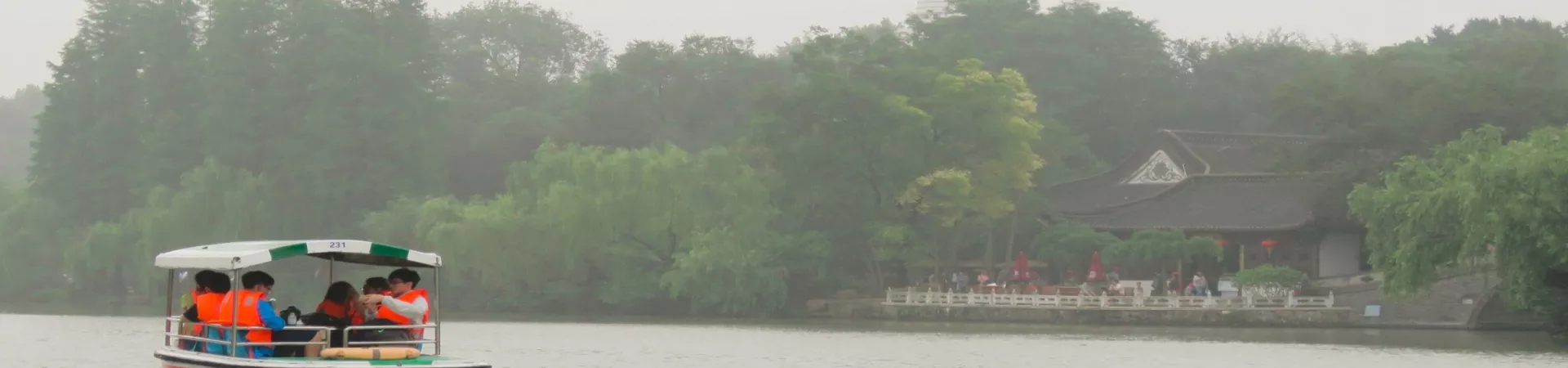
Subtitle: A Graceful Emblem of Yangzhou's Slender West Lake
1. Introduction: A Tale of Two Pagodas
Nestled within the picturesque landscape of Yangzhou's Slender West Lake, the White Pagoda stands as an iconic symbol of the city's historical wealth, ingenuity, and artistic fusion. While its name and form immediately evoke its more famous counterpart in Beijing's Beihai Park, this structure is far from a mere replica. It embodies a distinct personality—a harmonious blend of northern imperial grandeur and the delicate, refined aesthetics characteristic of Jiangnan, the region south of the Yangtze River. The pagoda's story is inextricably linked to the Slender West Lake itself, serving not just as a visual focal point but as a testament to a legendary moment in Yangzhou's rich history, where merchant ambition momentarily bent the will of an emperor.
2. Architectural Elegance and Symbolism
2.1 A Distinct Silhouette The most striking feature of Yangzhou's White Pagoda is its graceful proportions. While modeled after the stout, Tibetan-style dagoba of Beihai, the local artisans reinterpreted its form. The result is a structure that appears more slender, elevated, and poetically elegant. This subtle reshaping infuses the monument with what locals describe as the "charm of Jiangnan"—a sense of lyrical beauty and understated sophistication that contrasts with the more imposing northern original. It rises not as a statement of raw power, but as a delicate brushstroke against the sky, perfectly complementing the gentle curves of the lake and weeping willows.
2.2 The Ornate Base: A Zodiac Gallery The pagoda's beauty is grounded in the intricate details of its octagonal, four-cornered base. Each of the eight sides features three niches, housing a total of twenty-four exquisite carvings. Within these niches reside the figures of the twelve Chinese zodiac animals, each appearing twice in a symmetrical arrangement. This detailed work transforms the base into a symbolic gallery, connecting the celestial and timeless form of the pagoda with the cyclical, earthly time represented by the zodiac. The presence of these familiar guardians adds a layer of cultural depth and accessible folklore to the spiritual architecture.
2.3 A Picturesque Composition The White Pagoda never stands alone in the visitor's view. Its most perfect partnership is with the nearby Five-Pavilion Bridge, a marvel of traditional Chinese bridge architecture. Together, they form the quintessential postcard view of the Slender West Lake. The pagoda's vertical, white elegance plays off the bridge's horizontal, golden-yellow expanse and complex rooflines. This interplay between structure and reflection, between soaring height and serene span, creates a dynamic and balanced composition that is considered one of the most beautiful in all of classical Chinese garden design.
3. The Legend of the Overnight Pagoda
The pagoda's most captivating aspect is not merely its appearance, but the remarkable story of its purported origin. As legend has it, during Emperor Qianlong's southern inspection tour in the 18th century, he was sailing on the Slender West Lake. He remarked that the scenery reminded him of the "Jade Islet and Spring Shade" scene in Beihai Park, his imperial garden in Beijing, but noted that it lacked a white pagoda. This casual observation, perhaps made in passing, was heard by the immensely wealthy salt merchants of Yangzhou who were hosting the emperor. Eager to please the sovereign and demonstrate their loyalty (and resources), they are said to have secretly obtained the architectural plans for the Beihai White Pagoda from a palace eunuch.
Faced with the impossibility of constructing a permanent stone and brick pagoda overnight, the merchants devised an ingenious illusion. According to the tale, they commanded the piling of salt sacks—the very source of their fortune—into the rough shape of the pagoda, which was then whitewashed to resemble the real structure. By the next morning, when Emperor Qianlong looked upon the scene again, the iconic silhouette appeared to grace the shoreline. While a permanent pagoda was certainly built properly thereafter, the story of the "overnight pagoda built from salt" endures as a favorite local anecdote. It highlights the wit, extravagance, and quick-thinking of Yangzhou's merchant class during the height of the city's economic and cultural prosperity.
4. Practical Visitor Information
4.1 Location and Access The White Pagoda is situated within the Slender West Lake scenic area in Yangzhou, Jiangsu Province. A common approach is to take public bus route 1 and alight at the Yangda Shiyuan (Yangzhou University Normal College) stop. From there, a pleasant walk of approximately 1.8 kilometers through the scenic park's periphery will lead you to the pagoda. The walk itself is part of the experience, offering glimpses of the classic garden landscape.
4.2 Opening Hours and Admission The Slender West Lake scenic area, which includes access to the White Pagoda, is generally open daily from 07:00 to 17:30 throughout the year. It is highly advisable to check the latest official information for any changes. For specific, up-to-date details regarding entrance fees to the scenic area and any potential separate tickets for specific sites within it, visitors should consult directly with the景区 (scenic area) administration.
4.3 Suggested Duration A visit to appreciate the White Pagoda, its surroundings, and the legendary Five-Pavilion Bridge vista typically requires about an hour or less. This allows sufficient time to admire the architecture, photograph the classic view, and contemplate the history and legend that shroud this elegant structure. Most visitors experience it as a key stop within a longer, leisurely exploration of the expansive and beautiful Slender West Lake gardens.