Wenchang Pavilion
Subtitle: A Ming Dynasty Architectural Gem in the Heart of Yangzhou's Bustling City Center
1. Introduction and Historical Significance
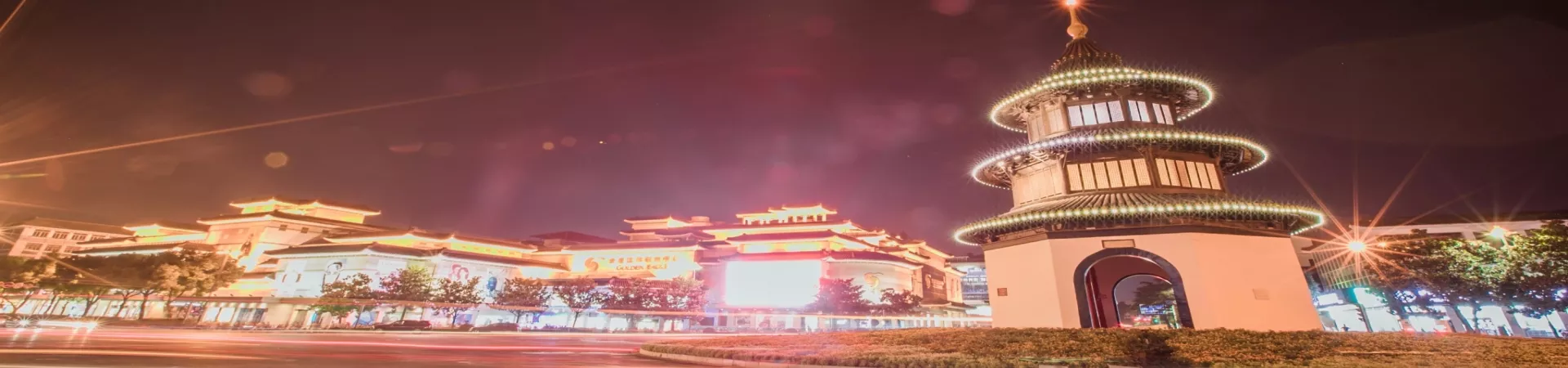
Nestled within the vibrant urban landscape of Yangzhou, the Wen Chang Pavilion stands as a serene and elegant testament to the city's profound historical and cultural heritage. Constructed during the Wanli era of the Ming Dynasty (circa 1573-1620), this structure was originally built as the "Kuixing Tower" for the Yangzhou Prefectural School. Its name, "Wen Chang," is deeply symbolic, paying homage to Wen Chang, the Taoist deity of literature and culture, revered by scholars and students for blessings in academic pursuits and imperial examinations. Thus, the pavilion was more than just an architectural landmark; it served as a spiritual and intellectual beacon for the literati of ancient Yangzhou, a city long celebrated as a hub of scholarship, art, and commerce. Today, it seamlessly bridges its illustrious past with the dynamic present, offering visitors a tangible connection to the era when scholars sought divine favor for success. The pavilion truly comes alive during festive nights, when it is adorned with a magnificent array of colorful lanterns. Illuminated against the night sky, it transforms into a breathtaking spectacle, creating a picturesque contrast with the modern city lights and solidifying its status as one of Yangzhou's most beloved and iconic nightscapes.
2. Architectural Design and Features
The Wen Chang Pavilion is a masterpiece of traditional Chinese brick-and-timber architecture, captivating visitors with its distinctive form and intricate details. Its most striking feature is its unique octagonal, three-tiered design, which bears a notable resemblance to the iconic Hall of Prayer for Good Harvests at the Temple of Heaven in Beijing. This multi-eaved, pagoda-like structure showcases the sophistication of Ming-era engineering and aesthetic principles.
A closer examination reveals thoughtful design elements that enhance both its function and beauty: * Ground Level Accessibility: The base of the pavilion is designed with openness in mind, featuring arched doorways on all four sides. These portals directly connect the structure to the surrounding streets, symbolically and physically integrating it into the daily life of the city and inviting passersby to explore. * Upper-Level Vistas: The second and third stories are encircled by latticed windows ("virtual windows"). These windows provide ample light and, more importantly, frame panoramic views of the city. Ascending the pavilion rewards visitors with an ever-expanding 360-degree vantage point. From this elevated perch, one can observe the fascinating tapestry of old and new Yangzhou—the flow of modern traffic, traditional rooftops, and bustling commercial lanes—all merging into a single, captivating vista.
3. Location and Visitor Logistics
The Wen Chang Pavilion's location is central to its appeal, situated at the intersection of history and contemporary urban energy. It serves as a perfect starting point or focal point for exploring downtown Yangzhou.
3.1. Transportation Reaching the pavilion is straightforward via Yangzhou's public bus system. Visitors can take bus routes 107, 17, 18, or 1 and alight at the "Shitasi Temple" stop. From there, the pavilion is just a short and pleasant walk away, often visible as a guiding landmark amidst the cityscape.
3.2. Admission and Opening Hours A significant advantage for visitors is that access to the pavilion and its immediate surroundings is completely free of charge. There is no admission fee, allowing for spontaneous visits and appreciation. The pavilion is generally open to the public from 9:00 AM to 5:00 PM, Tuesday through Sunday. Last entry is typically at 5:00 PM. It is important to note that the pavilion may be closed to entry on Mondays, although the exterior remains viewable at all times from the public square. As operational details can occasionally vary, it is always advisable to check for any temporary updates or special notices upon arrival.
4. Exploring the Surrounding Area
The experience of the Wen Chang Pavilion extends far beyond the structure itself, as it is nestled within one of Yangzhou's most lively and convenient districts for dining and shopping.
4.1. Shopping and Modern Amenities Directly adjacent to the pavilion, a variety of local shops and boutiques offer souvenirs and everyday goods. For a more comprehensive modern shopping experience, a mere 200-meter walk south leads to the Times Square (Shidai Guangchang) complex, a contemporary mall housing numerous retail brands, cafes, and entertainment options.
4.2. Culinary Delights The area is a paradise for food enthusiasts, with two renowned culinary streets within easy walking distance: * Siwangting Road Food Street: Located very close to the pavilion, this street is lined with an array of restaurants and snack stalls. It is an excellent place to sample local Yangzhou specialties, such as steamed buns, noodles, and various savory pancakes, in a lively, traditional atmosphere. * Huaihai Road Food Street: Situated approximately 250 meters to the west of the pavilion, Huaihai Road offers a broader and often more upscale dining selection. Here, visitors can find everything from authentic Huaiyang cuisine—one of China's four great culinary traditions, known for its delicate flavors and exquisite presentation—to popular regional Chinese dishes and even international fare.
This unique combination of profound historical ambiance, architectural beauty, and vibrant modern conveniences ensures that a visit to the Wen Chang Pavilion provides a rich, multi-layered experience of Yangzhou's enduring charm.