Wang's Small Garden
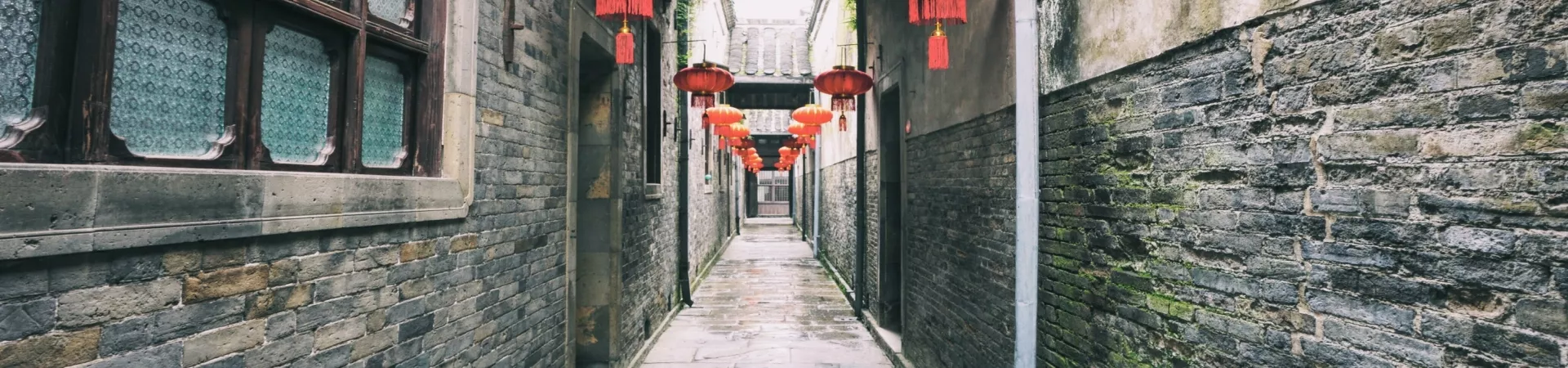
Subtitle: A Journey Through Time: Unveiling the Architectural Harmony and Historical Nuances of Wang's Small Manor in Yangzhou
1. Introduction: A Preserved Gem of Merchant Legacy
Nestled within the historic fabric of Yangzhou, a city renowned for its classical gardens and pivotal role in China's salt trade history, stands Wang's Small Manor (汪氏小苑). This residential complex distinguishes itself as one of the most completely preserved large-scale salt merchant mansions from the late Qing Dynasty to the early Republican era. More than just a collection of old buildings, it serves as a tangible narrative of a bygone era of prosperity, offering visitors a profound glimpse into the lifestyle, aesthetic sensibilities, and philosophical underpinnings of Yangzhou's wealthy merchant class. The manor's significance lies not in overwhelming size, but in its exceptional state of preservation and the intricate layers of cultural meaning embedded within its walls, courtyards, and decorative details.
2. Architectural Philosophy and Spatial Layout
2.1. The Principle of Confucian Moderation in Design The fundamental layout of Wang's Small Manor is a physical manifestation of the Confucian doctrine of the "Golden Mean" (Zhongyong). This philosophy emphasizes balance, harmony, and avoidance of extremes, principles meticulously translated into the estate's architecture. The compound achieves a remarkable sense of equilibrium in its proportions, ensuring no single structure overwhelms another. This careful planning extends to practical concerns, resulting in ample natural ventilation and abundant sunlight throughout the living quarters, creating a healthy and pleasant environment that harmonizes with nature.
2.2. A Masterclass in Traditional Yangzhou Layout The manor exemplifies the traditional "Da Zhai Men" (large compound gate) layout characteristic of Yangzhou's grand residences. Its genius lies in the fluid connectivity and purposeful segmentation of spaces. A network of corridors, pathways, and gateways allows for seamless "vertical and horizontal interconnection" between different sections of the compound. Simultaneously, the design permits areas to be easily separated or combined ("internal and external division and union at will"), reflecting the social hierarchies and private needs of a large, multi-generational household. This flexible spatial arrangement facilitated both communal family life and private retreat.
3. Artistic Details and Cultural Synthesis
3.1. The "Three Carvings": A Testament to Craftsmanship As one meanders through the manor, an exquisite tapestry of folk artistry unfolds. The estate is adorned with a profusion of delicate wood carvings, intricate brick carvings, and elegant stone carvings—collectively known as the "Three Carvings." These decorations are not merely ornamental; they carry symbolic meanings, often depicting scenes from folklore, representations of auspicious flora and fauna, or geometric patterns conveying wishes for good fortune, longevity, and prosperity. Every doorway, eave, window lattice, and screen wall becomes a canvas, revealing the refined taste and wealth of the Wang family.
3.2. East Meets West: A Blend of Styles A fascinating aspect of Wang's Small Manor is its subtle but clear "East-West fusion" style, a hallmark of the early 20th century when international influences began to permeate Chinese architecture and design. This synthesis might be observed in the form of arched windows, decorative glasswork, or the functional design of certain fixtures, integrated harmoniously with traditional Chinese architectural elements. This blend underscores the owner's openness to new ideas and their position within a changing world, adding a unique historical layer to the manor's identity.
4. The Garden and Unique Architectural Features
4.1. Ke Xi Zhai: The Garden Within a Garden The landscaped gardens within the manor are models of "linglong jingqiao"—delicate and exquisite craftsmanship. Among them, "Ke Xi Zhai" stands out as a celebrated "garden within a garden." This intimate space likely served as a private studio or contemplative retreat, designed to encapsulate the essence of nature in miniature. Its arrangement of rocks, plants, water features, and pavilions follows the classical Chinese garden principle of creating a idealized, poetic microcosm, offering a serene escape from the outside world.
4.2. Practical Innovations: The Courtyard Bathhouse One of the most intriguing and unconventional features highlights the pragmatic yet integrated approach to daily life. Interestingly, and somewhat boldly for its time, the bathhouse was situated directly within the garden courtyard, accessible from the kitchen area. This placement, while unusual, demonstrates a practical consideration for household logistics and perhaps a desire to incorporate the relaxing act of bathing into the tranquil garden atmosphere, blurring the lines between utility and leisure.
5. Practical Visitor Information
5.1. Location and Transportation Wang's Small Manor is located in Yangzhou's historic district. Visitors can conveniently reach the vicinity by taking public bus routes 12 (air-conditioned), 26, 26 (night service), 32, 33, 33 (night service), or 66 (late evening service) and alighting at the "Qionghua Guan" (Qionghua Temple) stop. The manor is a short walk from this bus station.
5.2. Admission Fees and Operating Hours The manor is open daily from 07:30 to 17:15 throughout the year. Admission is subject to seasonal pricing: * Peak Season (March-May, September-November): Adult tickets are priced at 35 RMB. * Off-Peak Season (June-August, December-February): Adult tickets are priced at 25 RMB. The manor offers several concessions: * Half-price tickets are available for children with a height between 1.2 and 1.5 meters, and for students upon presentation of valid identification. * Free admission is granted to children under 1.2 meters in height and to seniors aged 60 and above upon presentation of valid identification.
5.3. Suggested Duration and Contact A thorough visit to appreciate the architecture, gardens, and details of Wang's Small Manor typically requires 1 to 3 hours. For any inquiries prior to your visit, you may contact the site at 0514-87361587 or 0514-87328869.
Information update reference: 2023-06-03