Twenty-Four Bridges
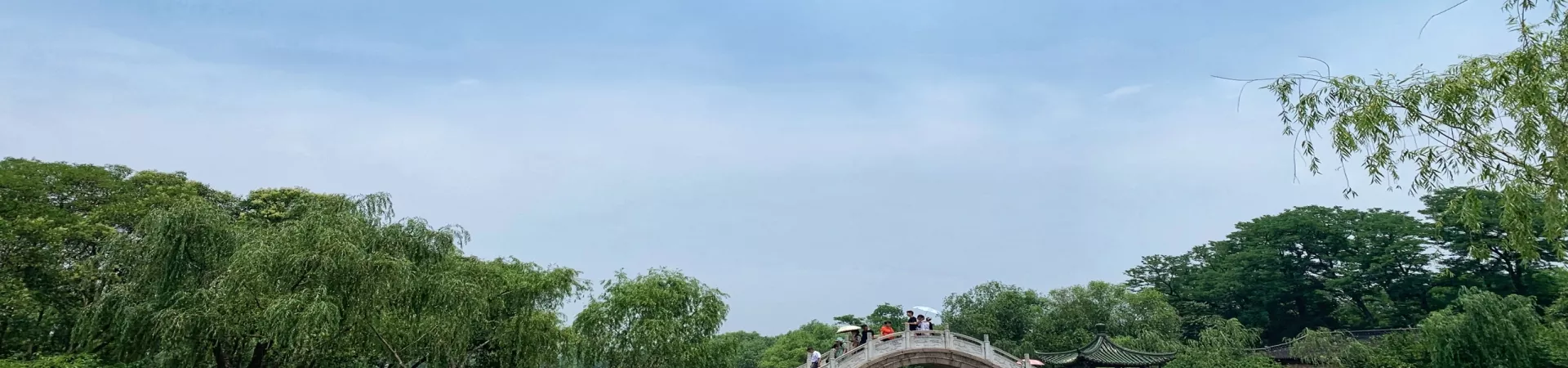
Subtitle: A Journey Through History, Poetry, and Architectural Elegance
Introduction: The Bridge of Legend and Lore Nestled within the serene embrace of Yangzhou's iconic Slender West Lake, the Twenty-Four Bridges site stands as a captivating testament to China's rich interplay of history, literary romance, and classical garden artistry. More than just a physical crossing, it is a cultural symbol, a poetic evocation, and a masterpiece of landscape design that continues to enchant visitors from around the globe. While the original bridge, celebrated as a marvel of ancient Han architecture, has been lost to the passage of centuries, its spirit has been meticulously revived. The current structure, a thoughtful reconstruction by the city of Yangzhou, is not merely a replica but a dedicated homage designed to transport visitors back to the golden age of the Tang Dynasty, allowing them to walk through the pages of poetry and history.
The Architectural Poetry in Stone Design Philosophy: A Numerical Symphony The genius of the reconstructed Twenty-Four Bridges lies in its intricate and deliberate design, where every element harmonizes with the number twenty-four, creating a tangible representation of its name and legend. The bridge itself spans 24 meters in length with a width of 2.4 meters. This numerical theme is consistently echoed in its 24 baluster columns and 24 steps on each side. This meticulous symmetry is far from arbitrary; it embodies a classical Chinese aesthetic principle where numerology, geometry, and philosophy converge to create a structure that feels both intellectually satisfying and artistically complete.
Form and Aesthetics: A Vision of Ethereal Beauty Architecturally, the bridge is a study in graceful curves and elegant proportions. Its slender, arched form gracefully leaps over the calm waters, resembling a "jade belt floating in the wind" or a "rainbow lying over the waves." The choice of white marble or light-colored stone enhances this ethereal quality, making the bridge appear almost luminous against the verdant backdrop, especially under the soft light of dawn or dusk. The railings and columns are often delicately carved, adding a layer of refined detail that invites closer inspection.
Integration with Nature: Crafting the Poetic Scene The Lakeshore Artistry The magic of the Twenty-Four Bridges experience is profoundly amplified by its perfect integration into the surrounding landscape. The transition from bridge to water is masterfully handled. Instead of abrupt edges, the bridge's abutments meld into the shore through artful piles of "cloud-like" Taihu rocks. These porous, sculptural limestone rocks, with their whimsical shapes and textures, appear as natural extensions of the bridge, as if it had organically emerged from the lakeside.
The Sensory Ambiance: Fragrance and Fantasy Surrounding the area are lush plantings of osmanthus trees (丹桂, fragrant orange osmanthus). Their rich, sweet, and pervasive fragrance, particularly potent in the autumn blooming season, fills the air, adding an indelible olfactory dimension to the visit. This deliberate landscaping is the key to unlocking the legendary scene. It directly references and recreates the essence of the famous poetic line by Tang Dynasty poet Du Mu: "Where is the Twenty-Four Bridges, the moon a brilliant hue? / Amidst the heart of fragrant osmanthus, the flute's sweet sound rings true." The combination of the elegant bridge, the reflective water, the artistic rocks, and the fragrant osmanthus allows every visitor to personally step into and "comprehend the wondrous realm" of "the moonlit night at the Twenty-Four Bridges," a scene forever immortalized in Chinese cultural consciousness.
Practical Information for the Visit Location and Access The Twenty-Four Bridges is a central highlight within the Slender West Lake (Shouxi Hu) Scenic Area in Yangzhou, Jiangsu Province. Transportation: The most convenient access is by public bus. Visitors can take bus routes 107, 11, 39, 40, or 50 and alight at the "Twenty-Four Bridge" bus stop. From there, a short and pleasant walk through the park's paths leads directly to the site.
Visiting Details Admission: Access to the Twenty-Four Bridges is included within the general admission ticket for the Slender West Lake Scenic Area. There is no separate entrance fee for the bridge itself. Opening Hours: The site is open daily from 6:30 AM to 5:30 PM throughout the year. It is advisable to check for any seasonal adjustments or special holiday hours prior to your visit. Recommended Duration: To fully appreciate the bridge's architecture, its poetic setting, and the surrounding scenic spots, a visit of 1 to 3 hours is recommended. This allows time for photography, quiet contemplation, and a leisurely stroll along the adjacent waterways.
Enhancing the Experience The best times to visit are early morning when the mist rises off the lake, or late afternoon leading into evening, when the lighting softens. While a daytime visit reveals all the architectural details, imagining the scene under a full moon connects one deeply to its poetic legacy. The bridge is rarely a solitary experience; it is a focal point within a larger garden narrative. Exploring the connecting walkways, nearby pavilions like the "Spring of Flute and Moon" (a direct reference to the poem), and the winding waterways of the Slender West Lake completes the journey, framing the Twenty-Four Bridges not as an isolated monument, but as the lyrical heart of a vast, living landscape painting.