the Lu's Salt Merchant House
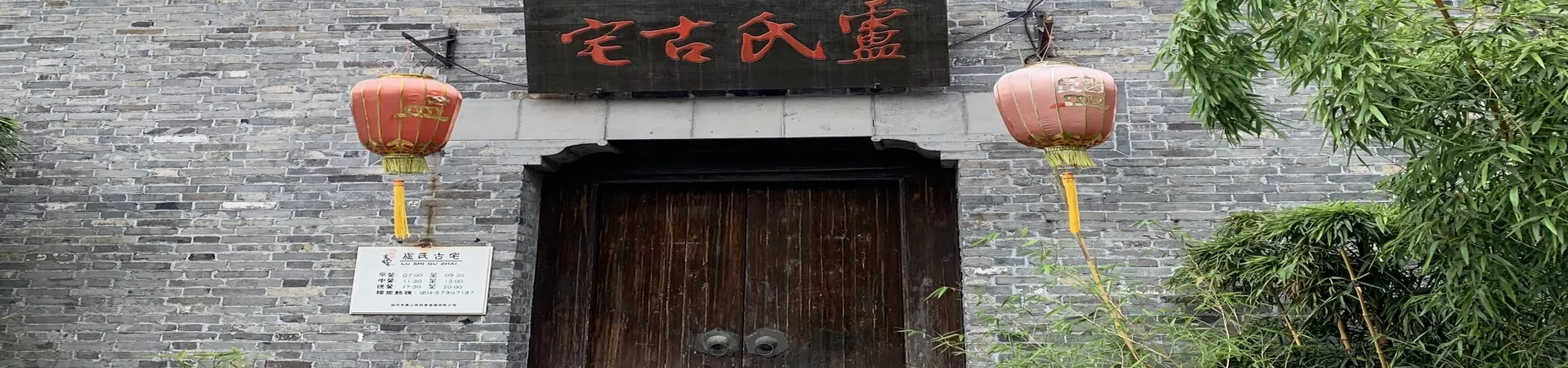
Subtitle: A Journey Through Time in Yangzhou's Grandest Salt Merchant Mansion
1. Introduction: The Legacy of Lu Shao Xu Nestled within the historic streets of Yangzhou, a city renowned for its classical gardens, waterways, and pivotal role in China's salt trade, stands the Lu氏古宅 (Lu Family Old Mansion). This architectural marvel is not merely a house; it is a profound testament to the immense wealth, cultural sophistication, and social stature achieved by the merchant princes of the Qing Dynasty. Constructed during the reign of Emperor Guangxu (late 19th century) by the affluent salt merchant Lu Shao Xu, the mansion was a monumental project costing a staggering 70,000 taels of silver. Its sheer scale and opulent details were designed to proclaim the Lu family's success, making it the largest and most impressive surviving residential compound of a Yangzhou salt merchant today. A visit here is a direct passage into the lavish domestic world of China's economic elite during the dynasty's twilight.
2. Architectural Grandeur and Historical Layers 2.1. Original Layout and Scale The mansion was originally conceived on a breathtaking scale, following the traditional, deeply symbolic siheyuan (courtyard) layout but amplifying it to an extraordinary degree. The complex was arranged along a central north-south axis, comprising nine sequential courtyards and halls—a number associated with imperial privilege and supreme status. This progression from the public gate to the most private inner quarters was a physical manifestation of Confucian social order and family hierarchy, guiding visitors and inhabitants through spaces of increasing exclusivity and importance.
2.2. Surviving Splendors Despite suffering a devastating fire in 1981 which consumed four central halls including the magnificent main hall built of precious nanmu (phoebe zhennan) hardwood, the mansion retains a significant portion of its original glory. Visitors can still experience its grandeur through several key structures: * The Imposing Gatehouse: The southern-facing main gate sets the tone, its height and decoration immediately signaling the family's prominence before one even steps inside. * Residential Towers and Inner Chambers: The surviving multi-story residential buildings and inner quarters offer glimpses into the daily and ceremonial lives of the family. Intricate woodwork, elegant lattice windows, and the flow of space around courtyards speak of refined taste. * The Scholarly Retreat: Yì Garden and the Library Tower Beyond the formal residences lies the Yì Garden, a private landscape within the home. This area, featuring a charming pavilion, embodies the Chinese literati ideal of harmonizing architecture with nature—a place for contemplation, poetry, and leisure. Adjacent to it, the Library Tower stands as a powerful symbol of the family's commitment to scholarship and cultural cultivation, proving that their wealth was matched by intellectual pursuits.
2.3. The Significance of Nanmu The frequent mention of nanmu in the mansion's description cannot be overstated. This rare, fragrant, and highly durable hardwood was immensely expensive and often reserved for imperial palaces and major temples. Its extensive use in the Lu Mansion's construction was a bold, almost audacious, statement of wealth and access to the finest materials, blurring the lines between merchant luxury and imperial prerogative.
3. Practical Information for Your Visit To fully appreciate the Lu Mansion, planning your visit with the following details in mind is essential.
3.1. Location and Access The mansion is located within the Yangzhou city center, easily accessible by public transport. * Address: No. 14, Guangling Road, Guangling District, Yangzhou (Please verify locally as addresses can vary). * By Bus: Take bus routes 19, 66, or Tourist Line 1 and alight at the Kangshan Cultural Park (康山文化园) bus stop. The mansion is within a short walking distance from there.
3.2. Admission and Hours * Opening Hours: The mansion is generally open to the public from 9:00 AM to 10:00 AM and 2:00 PM to 4:00 PM, Monday through Sunday. These hours are subject to change, particularly for the morning session. * Admission Fee: A standard entrance ticket is approximately 15 RMB. * Important Note: Both opening hours and ticket prices are for reference only. It is highly recommended to check for any updates or changes on the day of your visit, as management schedules can vary for maintenance, private events, or seasonal adjustments.
3.3. Maximizing Your Experience * Suggested Duration: Allocate between 1 to 3 hours for your visit. This allows sufficient time to wander through the courtyards, admire the architectural details, explore the Yì Garden, and reflect on the history without feeling rushed. * Contextual Understanding: Consider reading about Yangzhou's salt trade history before your visit. This knowledge will deeply enrich your perception of the mansion's origins, making the scale of Lu Shao Xu's achievement even more remarkable. * Visual Exploration: Pay close attention to the craftsmanship—the carvings on roof beams, door frames, and the subtle layout of the gardens. Imagine the bustling activity of servants, the formal gatherings of merchants in the grand halls (now lost), and the quiet scholarly pursuits in the library.
4. Cultural Context: The Salt Merchants of Yangzhou Understanding the Lu Mansion requires delving into the phenomenon of the Yangzhou salt merchants. During the 18th and 19th centuries, Yangzhou was the administrative hub of the Liang-Huai salt district, a monopoly that generated colossal fortunes. These merchants, like Lu Shao Xu, were not just businessmen; they were cultural patrons, connoisseurs of art and garden design, and trendsetters. Their residences were platforms to display their wealth, which they often channeled into competing to build the most exquisite homes, gardens, and to support artists, actors, and scholars. The Lu Mansion is the pinnacle of this cultural expression through architecture—a physical embodiment of economic power transformed into lasting artistic and cultural legacy. Its survival allows us to critically examine the complex social dynamics of late imperial China, where immense commercial wealth existed within a state-controlled system and sought validation through cultural refinement.