Ge Garden
Subtitle: A Journey Through Time and Seasons in Yangzhou's Bamboo Masterpiece
Introduction Nestled within the ancient city of Yangzhou, the Ge Garden (Gè Yuán) stands as a sublime testament to the philosophical depth and artistic ambition of classical Chinese garden design. Constructed during the reign of Emperor Jiaqing in the Qing Dynasty (early 19th century), it is celebrated as one of China's four most famous gardens. More than just a scenic retreat, Ge Garden is a profound spatial poem, ingeniously weaving together the aesthetics of bamboo, the artistry of rockery, and the rhythms of the cosmos into a harmonious whole. Its layout, thoughtfully divided into the northern bamboo appreciation zone, the central garden, and the southern residential quarters, guides visitors on a curated journey from serene natural contemplation to the pinnacle of human artistic expression.
The Philosophy of "Ge": A Realm Defined by Bamboo The garden's very name reveals its central motif. The character "个" (Gè) is, in fact, the left half of the Chinese character for bamboo "竹" (Zhú). This clever etymology is a fitting prelude to the experience within. The garden is a sanctuary dedicated to the bamboo, a plant deeply revered in Chinese culture for its resilience, humility, and evergreen vitality. Strolling through the Northern Bamboo Grove is an essential part of the visit. Here, dozens of bamboo species create a tranquil, whispering forest. Their dense canopy filters the sunlight, casting dappled shadows and generating a remarkably cool and refreshing microclimate, offering a peaceful respite even during the peak of Yangzhou's humid summers. This area is not merely decorative; it sets the thematic and spiritual tone for the entire garden, inviting quiet reflection and a connection with scholarly virtues.
The Architectural Layout: A Triptych of Experience The garden's design follows a traditional and logical tripartite structure, each section serving a distinct purpose.
2.1 The Southern Residential Quarters The visit often begins in the southern sector, which comprises the meticulously preserved former residential complex of the Huang family, the wealthy salt merchants who built the garden. These elegant halls, courtyards, and corridors, with their grey-tiled roofs and intricate woodwork, provide a crucial context. They illustrate the luxurious domestic life of the Qing-dynasty merchant elite and establish the human foundation from which the artistic garden blossomed. It represents the worldly and social aspect of life.
2.2 The Central Garden: The Heart of Artistic Expression Transitioning north from the residences, one enters the core artistic canvas—the Central Garden. This area is the dramatic stage where the garden's most celebrated concepts are fully realized. It is a concentrated landscape where pavilions, ponds, and winding pathways frame the masterpiece: the iconic Four Seasons Rockeries.
2.3 The Northern Bamboo Zone: Naturalistic Repose As discussed, this area provides a return to pure, structured nature after the artistic intensity of the central section. It acts as a serene epilogue, allowing the impressions from the rockeries to settle amidst the gentle rustle of bamboo leaves.
The Pinnacle of Art: The Four Seasons Rockery Sequence This is the undisputed soul of Ge Garden, an unparalleled feat of Chinese garden rockery that transcends mere decoration to become a philosophical narrative. Using different types of stones, colors, textures, and planting, the designers created a symbolic journey through the annual cycle, meant to be experienced in a specific order.
3.1 Spring Rockery The sequence begins with the promise of renewal. Located near the entrance to the central garden, the Spring Hill is crafted from delicate bamboo-like stones and surrounded by freshly sprouting bamboo and peonies. A key feature is the use of white Taihu stones pierced with holes, arranged to resemble bamboo shoots breaking through the earth after spring rain, symbolizing vibrant growth and new beginnings.
3.2 Summer Rockery Evoking the lush abundance of summer, this hill is predominantly built from grey Taihu stones, which resemble clouds in their shape. The scene is dominated by a large pond at its base, representing a cool lake, with a graceful stone bridge spanning its surface. The rocks are draped with luxuriant creepers and shaded by dense trees, creating a sense of deep, cool, and moist seclusion perfect for escaping the summer heat.
3.3 Autumn Rockery Considered the climax of the sequence, the Autumn Hill embodies the richness and contemplative mood of fall. Constructed from rugged, rust-brown Huangshan stones, its bold, angular forms mimic mountain cliffs. A stone cave tunnel within allows visitors to physically pass through the "mountain." The warm, reddish-brown hues of the stones, combined with maple trees, create a powerful visual representation of autumn's fiery splendor and mature grandeur.
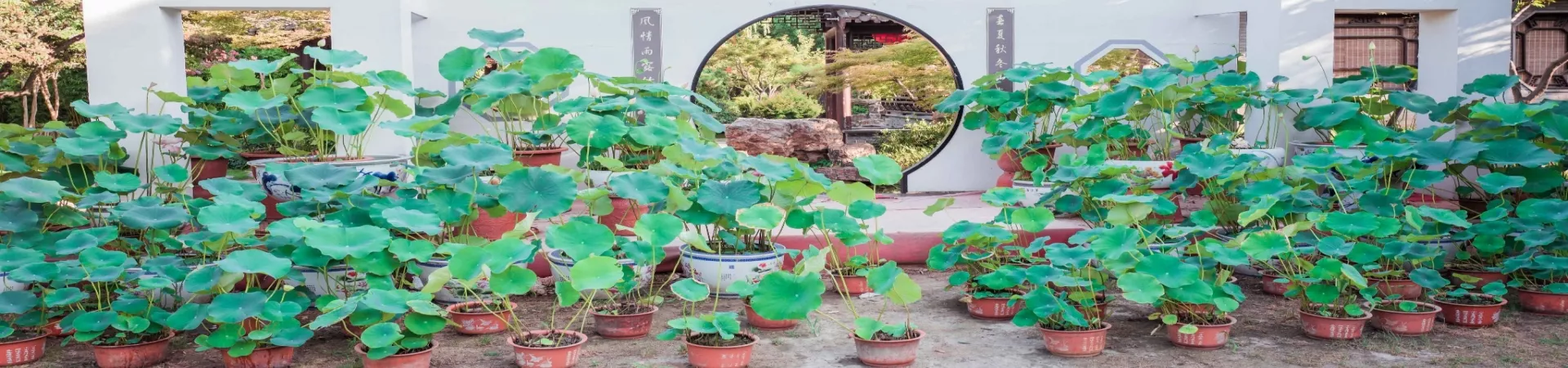
3.4 Winter Rockery The cycle concludes with the quiet austerity of winter. This scene is sculpted from sparkling white Xuan stones (also known as snow stones), piled to suggest accumulated snowdrifts and a dormant, frozen landscape. Clever design elements enhance the illusion: the rockery is situated in a small courtyard that receives limited sunlight, and the north-facing wall is pierced with a series of round ventilation holes. When the wind passes through, it produces a whistling sound, mimicking the chilling north wind of winter. From a specific vantage point, a framed view through a circular moon gate offers a glimpse of the Spring Rockery's "bamboo shoots," symbolically suggesting that after winter, spring is always just around the corner, completing the eternal cycle.
Practical Information for Visitors
4.1 Transportation The garden is conveniently located within Yangzhou's city center. Visitors can take public bus routes 27, Tourist Bus 1 (You 1), or Tourist Bus 3 (You 3) and alight at the "Ge Yuan" bus stop. From there, it is a short and straightforward walk of approximately 180 meters to the main entrance.
4.2 Ticket Information Admission to Ge Garden requires a purchased ticket. The standard adult ticket price is 30 RMB. This general admission fee typically applies throughout the year, from January 1st to December 31st. Concession rates may be available for students, seniors, and children, but it is advisable to verify current prices and policies at the ticket office.
4.3 Opening Hours Operating hours vary slightly by season. During the winter months (December 1st to February 28th of the following year), the garden is open from 7:15 AM to 5:15 PM, with the last admission at 5:15 PM. In the summer season (June 1st to August 31st), hours are extended to accommodate longer daylight, from 7:15 AM to 5:45 PM, with the last entry at 5:30 PM. Visitors should plan their arrival accordingly to ensure ample time for exploration.
4.4 Suggested Duration To fully appreciate the architectural details, wander through the bamboo groves, and contemplate the nuanced symbolism of the Four Seasons Rockeries, a visit of 1 to 3 hours is recommended. This allows for a leisurely pace to absorb the garden's serene atmosphere and intricate design without feeling rushed.