Dongguan street
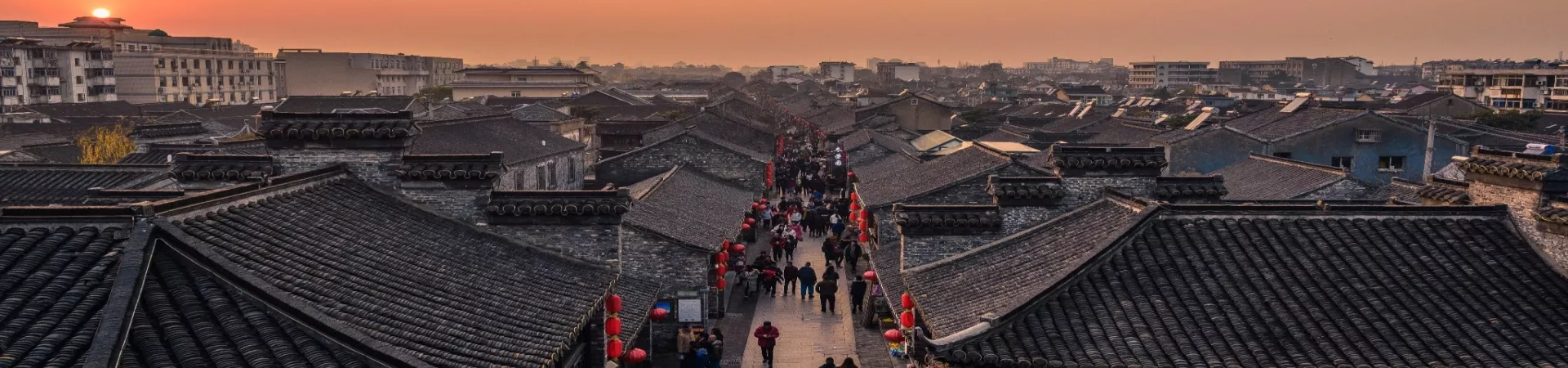
Subtitle: A Journey Through Time: Exploring Yangzhou's Historic Dongguan Street
Introduction: The Artery of Ancient Yangzhou
Nestled within the heart of Yangzhou, a city steeped in over 2,500 years of history, Dongguan Street stands as the most iconic and representative historical thoroughfare. More than just a lane, it is a living museum, a vibrant artery that once pulsed with the commercial, cultural, and spiritual life of this ancient metropolis. Stretching approximately 1,122 meters from the banks of the historic Grand Canal in the east to Guoqing Road in the west, its original flagstone pavement, worn smooth by centuries of footsteps, whispers tales of a glorious past. This street was not merely a path but a crucial hub—the convergence point of Yangzhou's water and land transportation, and the undisputed center of its business, handicraft, and religious culture. A visit here is an immersive plunge into the soul of old Yangzhou, where every shopfront and cobblestone has a story to tell.
1. The Historical Significance and Layout
1.1. A Strategic Hub of Commerce and Culture Dongguan Street's historical importance is inextricably linked to its geography. Its eastern terminus at the Old Canal (a key section of the UNESCO World Heritage Site, the Grand Canal) positioned it as the city's vital gateway. During the Ming and Qing dynasties, when Yangzhou was a paramount center of salt trade and immense wealth, goods and merchants from across China would arrive via the canal. Dongguan Street served as the primary entry point and distribution channel into the city. This constant flow of people and commodities transformed the street into a bustling commercial spine. Beyond trade, it became a focal point for skilled artisans and a place where diverse religious beliefs, including Buddhism, Taoism, and folk deities, found expression in temples and shrines nestled among the shops, creating a unique socio-cultural tapestry.
1.2. Architectural Ambiance and Streetscape Walking its length, visitors are enveloped in the authentic atmosphere of late Qing and early Republican-era architecture. The street is lined with well-preserved traditional buildings featuring white walls, black-tiled roofs (马头墙), intricate wooden lattices, and overhanging eaves. The layout follows a classic Chinese street pattern, with narrow lanes (弄堂, longtang) branching off the main artery, leading to hidden courtyards and residential complexes. The original long slab stones paving the street, though bearing the marks of time, guide your steps through history. This preservation allows one to easily imagine the cacophony of merchants hawking their wares, the clatter of carts, and the daily hustle of life in imperial China.
2. Treasures of Time-Honored Brands (老字号)
The true soul of Dongguan Street resides in its legendary "Lao Zihao" – time-honored brands that have operated for generations, becoming synonymous with Yangzhou's artisanal heritage and culinary excellence.
2.1. Dalinqing Tea House (大麒麟阁茶食店) This esteemed establishment is a paradise for those with a sweet tooth and a love for traditional Chinese pastries. "Cha Shi" refers to tea snacks—delicate, often sweet or savory bites designed to accompany tea. Dalinqing has mastered this craft for over a century. Their offerings include flaky pastries like qianceng cake (thousand-layer cake), sweet shaomai (steamed dumplings with sweet fillings), and various nut-and-honey confections. Visiting is a ritual: the aroma of baked goods wafts onto the street, drawing you in to witness bakers practicing age-old recipes and to taste flavors that have delighted Yangzhou residents for generations.
2.2. Simei Jiangyuan (四美酱园) and Its Pickles No discussion of Yangzhou's food culture is complete without its famed pickles and fermented sauces, and Simei Jiangyuan is the most celebrated name in this realm. The shop's interior is a spectacle of giant ceramic jars containing myriad varieties of pickled vegetables. Their signature products include crisp and slightly sweet pickled cucumbers, aromatic radish, and unique fermented bean pastes. These pickles are not just side dishes; they are a cornerstone of local cuisine, adding a burst of umami and texture to congee, noodles, and main courses. Purchasing a jar is like taking home a piece of Yangzhou's culinary essence.
2.3. Xie Fuchun (谢馥春) Claiming the title of China's first cosmetics brand, established in 1830, Xie Fuchun represents the elegance and beauty rituals of ancient China. Stepping into its shop is like entering an old-world perfumery. The brand is legendary for its natural, herbal-based beauty products. Its most iconic item is the Fen powder, a fine, fragrant face powder once used by imperial court ladies. Other treasures include solid perfumes (香膏), made into exquisite shapes like pendants, and traditional hair oils. The packaging itself, often in delicate porcelain boxes, is a work of art. Xie Fuchun offers a tangible connection to the aesthetics and self-care traditions of China's past.
3. Practical Information for Visitors
3.1. Getting There Dongguan Street is easily accessible by public bus. Multiple routes serve the area, with the most convenient stop being Dongguan Gudu (东关古渡站), named after the ancient ferry crossing on the canal nearby. Visitors can take bus numbers 25, 45, 52, 58, or 99 and alight at this stop. From there, the entrance to the historic street is within a short and pleasant walk.
3.2. Admission and Opening Hours One of the great advantages of visiting Dongguan Street is its free and open access. There is no entrance fee to walk the main street and explore its public spaces. The street itself is open 24 hours a day, every day of the year. However, it is important to note that individual shops, restaurants, and museums within the street have their own operating hours, typically from around 9:00 AM to 10:00 PM.
3.3. Suggested Duration and Experience To fully appreciate Dongguan Street, a minimum of 3 hours is recommended. This allows for a leisurely stroll from one end to the other, with ample time to pop into the various old shops, sample local snacks (like Yangzhou fried rice or stewed tofu threads from small eateries), explore the side alleys, and visit cultural sites such as the Geyuan Garden (个园, a stunning bamboo-themed classical garden with an entrance off the street, though requiring a separate ticket) or the Former Residence of Wang Xiaobo. The street is particularly enchanting in the late afternoon and evening when traditional red lanterns are lit, casting a warm glow on the ancient facades and creating a magical atmosphere. The area seamlessly blends historical exploration with modern leisure, offering cozy teahouses, boutique hotels, and craft shops alongside the historic landmarks, ensuring a rich and layered experience for every visitor.