Daming Temple
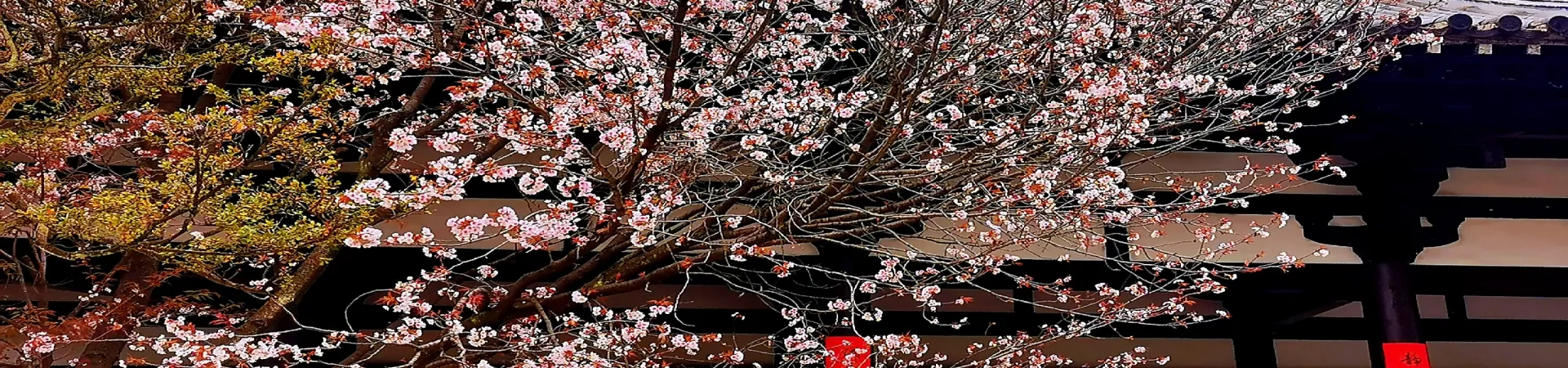
Daming Temple: A Millennium Sanctuary of Faith and Culture in Yangzhou
Nestled on the verdant slopes of Shugang Hill in Yangzhou, Jiangsu Province, Daming Temple stands as a monumental testament to Chinese Buddhist history, architectural brilliance, and classical garden aesthetics. Founded during the Southern Dynasties period in the 5th century, its name, meaning "Temple of Great Brightness," has shone through over 1,500 years of cultural evolution. More than just a place of worship, it is a profound cultural landmark where spirituality, poetry, history, and natural beauty converge, offering visitors a multifaceted journey into the heart of China's heritage.
Layout and Architectural Harmony The temple complex is thoughtfully divided into three distinct sections, each offering a unique experience and atmosphere.
The Central Sacred Precincts This area forms the core of the temple's religious functions and architectural grandeur. Visitors proceed through a sequence of traditional halls, each step deepening the sense of tranquility and reverence. The majestic Heavenly King Hall (Tianwang Dian) guards the entrance, housing statues of the Four Heavenly Kings. This leads to the heart of the complex, the Great Hero Hall (Daxiong Baodian), an imposing structure that enshrines the solemn statues of the Buddhas of the Three Ages. The air is thick with the scent of incense, and the rhythmic chanting of monks often provides a serene soundtrack. Further halls are dedicated to various bodhisattvas, creating a spiritual pathway that guides pilgrims and visitors alike through the fundamental tenets of Mahayana Buddhism.
The Eastern Icon: Qiling Pagoda Dominating the temple's skyline is the Qiling Pagoda, a nine-story octagonal pagoda that has become the iconic symbol of Daming Temple. Although the original Tang Dynasty structure was lost, the current magnificent pagoda was meticulously reconstructed in the 1990s. Its significance is twofold: architectural and spiritual. Historically, it was a celebrated landmark that attracted literary giants like Li Bai and Bai Juyi from the Tang Dynasty, who ascended its heights and composed poems inspired by the breathtaking vistas. Today, it houses a sacred relic—a sarira (cremated remains) of Sakyamuni Buddha—making it a major pilgrimage site. The climb to the top is rewarded with a panoramic view that is arguably the finest in Yangzhou, encompassing the entire temple layout, the serpentine beauty of the Slender West Lake (Shou Xihu), and the sprawling cityscape.
The Western Garden Sanctuary: Pingyuan Hall Garden In stark contrast to the solemnity of the central halls, the western section is a masterpiece of Jiangnan classical garden design. Centered around the Pingyuan Hall, this area exemplifies the Chinese philosophical pursuit of harmony between man and nature. It is a world of delicate pavilions, meandering pathways, ancient trees, and reflective ponds. The garden is designed with "borrowed scenery" techniques, framing views of the distant pagoda and hills. Here, one can experience the scholarly elegance that characterized Yangzhou during the Ming and Qing dynasties, a place for contemplation, literary gatherings, and quiet appreciation of seasonal changes.
A Living Temple: Cultural Activities and Events Daming Temple is not a static museum but a vibrant center of living culture and religious practice.
- Annual and Seasonal Celebrations The temple's calendar is marked by significant events. The most famous is the "Bell-Striking Ceremony to Welcome the New Year" held on December 31st. As midnight approaches, the deep, resonant toll of the ancient temple bell fills the air, a ritual believed to dispel misfortune and usher in peace and prosperity for the coming year. It draws thousands of visitors for this unforgettable experience.
- Regular Religious Observances As an active monastery, Daming Temple holds various Buddhist ceremonies (Dharma Assemblies) throughout the year. These are often conducted on important dates such as the birthdays of Sakyamuni Buddha, Guanyin Bodhisattva (Goddess of Mercy), and other significant figures in the Buddhist calendar. These ceremonies, featuring intricate rituals, sutra chanting, and offerings, offer a rare glimpse into profound religious traditions. Visitors are advised to check the temple's official website for specific dates and schedules, as they follow the lunar calendar.
Essential Visitor Information
Getting There Daming Temple is conveniently accessible via public transport. Visitors can take Yangzhou city bus routes 25, 45, or 72 and alight at the "Daming Si" (Daming Temple) bus stop. From there, it is a short and pleasant walk of approximately 300 meters to the temple entrance. Taxis and ride-hailing services are also readily available throughout the city.
Admission Fees The temple operates on a ticketed system, with concessions available:
- Standard Ticket: 30 RMB (applicable year-round).
- Concession Ticket (Half-price): Available for children with a height between 1.4 and 1.5 meters, and seniors aged 60 to 69 (inclusive).
- Free Admission: Granted to children under 6 years old or under 1.4 meters in height, seniors aged 70 and above, active military personnel, retired veterans, journalists (with valid ID), and other eligible groups as per national policy.
- Note: Ticket prices and policies are subject to change. It is highly recommended to verify the latest information on the official website or at the ticket booth before your visit.
Opening Hours The temple is generally open to the public daily from 8:00 AM to 4:30 PM. However, these hours can occasionally vary for special events, maintenance, or during major holidays. To avoid disappointment, confirming the exact opening time on the day of your visit is prudent.
Suggested Duration To fully appreciate the temple's three sections—exploring the central halls, climbing the pagoda, and strolling through the garden—a visit of approximately 2 to 3 hours is recommended. This allows for a leisurely pace to absorb the historical, spiritual, and aesthetic essence of this remarkable site.