Guangdong Maritime Silk Road Museum
Subtitle: A Journey Through Time: Unveiling the Maritime Silk Road at the Guangdong Maritime Silk Road Museum in Yangjiang
1. Introduction: A Gateway to Ancient Seas
Nestled against lush hills and facing the expansive South China Sea, the Guangdong Maritime Silk Road Museum in Yangjiang stands as a monumental tribute to China’s illustrious nautical history. More than just a repository of artifacts, the museum is an architectural marvel, its design deeply intertwined with the very essence of marine culture it seeks to portray. It serves as the permanent home for one of the most significant archaeological discoveries of the 21st century—the Nanhai No. 1 Southern Song Dynasty shipwreck—offering visitors an unparalleled, immersive journey into the world of ancient maritime trade, exploration, and cultural exchange that defined the Maritime Silk Road.
2. Architectural Philosophy and Setting
2.1. Harmony with Nature The museum’s location is a statement in itself. The philosophy of "backed by mountains, facing the sea" is not merely scenic but symbolic. It anchors the museum firmly to the land while opening it to the vast ocean, mirroring the dual identity of the ancient mariners who departed from these very shores. This strategic positioning creates a profound dialogue between the terrestrial and the maritime, setting the stage for the narratives contained within.
2.2. Design as Narrative The building’s distinctive architectural style is a direct extension of its curatorial mission. Every curve, space, and material is chosen to evoke the marine theme. The structures often resemble crashing waves, ship hulls, or seashells, seamlessly blending modern aesthetics with timeless maritime motifs. The use of light, particularly natural light filtering in to mimic sunlight penetrating ocean depths, and spatial arrangements that guide visitors like a voyage across the seas, ensures that the architecture itself is the first and a lasting exhibit, preparing the mind for the historical immersion to follow.
3. The Crown Jewel: The Nanhai No. 1 Exhibition
3.1. An Archaeological Sensation The absolute centerpiece of the museum is the Nanhai No. 1, a merchant vessel that sank approximately 800 years ago during the Southern Song Dynasty and was recovered in its entirety in a groundbreaking archaeological feat. The museum was essentially built around this treasure. Visitors do not just look at artifacts in cases; they witness the entire shipwreck site preserved in a massive, custom-built "Crystal Palace"—a seawater conservation tank that maintains the conditions of its original seabed environment.
3.2. A Time Capsule Preserved This innovative exhibition method allows for an awe-inspiring view of the wooden ship’s skeleton, still laden with its cargo, as archaeologists continue their meticulous in-situ conservation and research work. It is a live window into history, showcasing the vessel’s construction, the staggering volume of its goods, and the poignant story of its final journey.
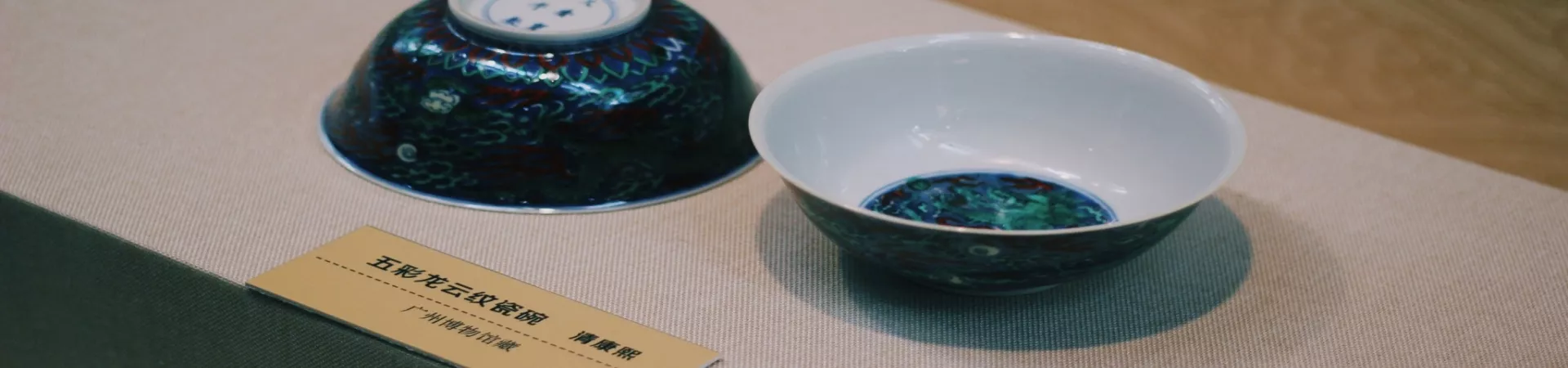
3.3. Treasures of a Global Trade The artifacts recovered from the Nanhai No. 1 form the core of the museum’s collections. They paint a vivid picture of a bustling, interconnected ancient world: * Ceramics: Tens of thousands of exquisite porcelain pieces from famous kilns like Jingdezhen, Longquan, and Jianyang, destined for markets across Southeast Asia and beyond. * Metals: Gold jewelry, silver ingots, and copper coins that speak of wealth and complex economic systems. * Organic Materials: Rarely preserved items such as lacquerware, wooden tools, and remnants of spices, providing intimate details about daily life and trade commodities.
4. Exploring the Galleries: Themes of the Maritime Silk Road
Beyond the Nanhai No. 1, the museum’s galleries expand the narrative to encompass the broader history of the Maritime Silk Road.
4.1. The History of Chinese Seafaring This section traces the technological and navigational evolution of Chinese shipbuilding, from early rafts to majestic junks. It highlights inventions like the compass and stern-post rudder, which were pivotal for long-distance ocean voyages, and explores the lives of sailors, merchants, and explorers who braved the unknown.
4.2. Cultural Exchange and Fusion Exhibits here demonstrate how the Maritime Silk Road was a conduit for ideas, religions, art, and customs. Artifacts show the fusion of Chinese styles with influences from Persian, Arab, Indian, and Southeast Asian cultures. It underscores how trade was about more than goods; it was about the mutual enrichment of civilizations through sustained contact.
4.3. Yangjiang’s Role in the Network A dedicated gallery focuses on the local context, illustrating Yangjiang’s own historical significance as a port and production center within the larger trade network. It connects the global story back to the local landscape and community.
5. Practical Information for Visitors
5.1. Location and Contact The museum is located in Yangjiang, Guangdong Province, China, offering stunning seaside views. * Telephone: +86 662 3681111; +86 662 3681288
5.2. Opening Hours and Admission * Opening Hours: 09:00 - 17:30 daily (last admission at 17:00). * General Admission: Full ticket 70 RMB; Concession ticket (半价票) 35 RMB. * Special Note: In recognition of their service, medical staff who aided in Hubei during the pandemic and their immediate family members (presenting valid documents such as household register or marriage certificate) can enter free of charge with their proof of service. The end date for this policy is subject to confirmation at the museum ticket office.
5.3. Planning Your Visit * Suggested Duration: A comprehensive visit typically requires 1 to 3 hours, depending on the level of detail one wishes to explore. * Visitor Tips: It is advisable to allocate sufficient time for the Nanhai No. 1 "Crystal Palace" viewing area. Checking for any available guided tours or audio guides upon arrival can greatly enhance the educational experience. The museum’s layout is generally accessible, and its dramatic architecture provides numerous photo opportunities, both inside and out.