Water Street
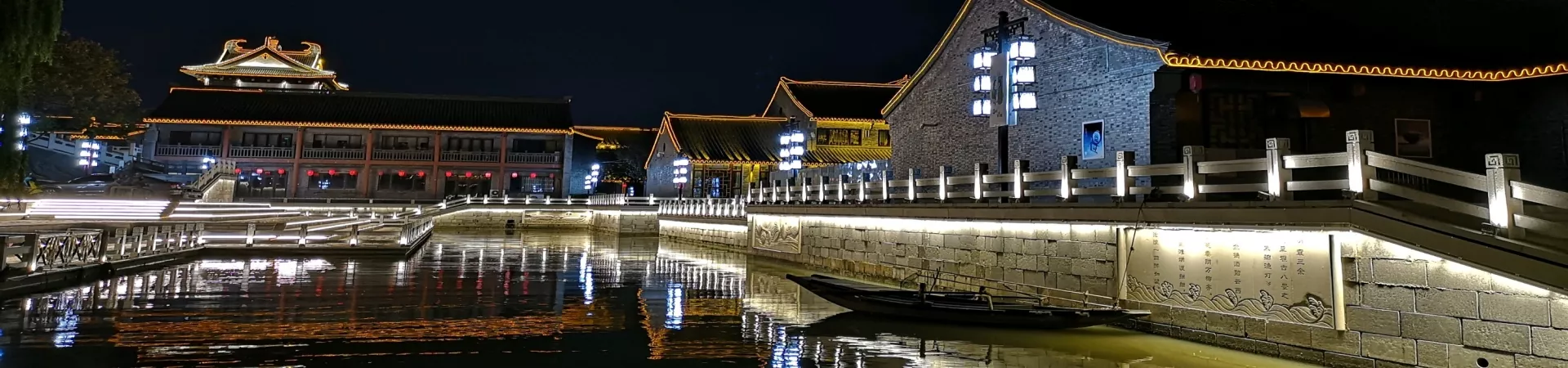
Subtitle: A Journey Through Time and Water in Yancheng's Ancient Canal District
Introduction: The Soul of a City on Water
Nestled within the bustling modern city of Yancheng in Jiangsu Province lies a tranquil portal to the past: Yancheng Water Street. More than just a scenic area, it is a living, breathing museum dedicated to preserving and showcasing the unique cultural DNA of the region—a harmonious blend of aquatic lifestyle and the profound legacy of sea salt production. Stretching over 800 meters, its meandering waterways are the district's lifeblood, around which an exquisite tableau of ancient-style architecture unfolds. This meticulously crafted enclave does not merely imitate history; it immerses visitors in the architectural aesthetics, daily rhythms, and artistic spirit of a traditional Jiangnan water town, all while whispering tales of Yancheng's identity as the "City of Salt."
Architectural Harmony: Where Antiquity Meets Craftsmanship
The immediate and defining charm of Water Street lies in its unified and authentic architectural vision. The entire district is a masterpiece of 仿古建筑 (fǎnggǔ jiànzhù), or imitation ancient-style construction, where every detail is carefully considered to evoke a bygone era.
- Materials and Textures: The walkways and structures are defined by the muted, earthy tones of clay-fired blue bricks and the elegant lines of grey clay tiles roofing. Accents of glazed tiles add subtle highlights, reminiscent of the prosperity brought by the historic salt trade.
- Design and Form: Pavilions, terraces, and towers appear to rise directly from the water's edge, their reflections dancing on the canal's surface. Traditional design is thoughtfully integrated with modern functionality, exemplified by the use of aluminum alloy doors and windows crafted in ancient styles, ensuring durability without compromising the visual narrative.
- Spatial Layout: The architecture is never monolithic. Instead, it creates a dynamic streetscape where open squares, intimate courtyards, and narrow lanes alongside the water alternate, inviting exploration and offering constantly shifting perspectives.
Exploring the Districts: Three Core Realms
Water Street is thoughtfully organized into three main thematic sections, each offering a distinct facet of the experience.
2.1 Da Zhai Men (The Great Mansion Gate) This area often serves as a grand introduction, evoking the prestige and refined culture of historical merchant and official families connected to the salt industry. The architecture here tends to be slightly more monumental, setting the stage for the cultural depth to come.
2.2 Tian Shui Guang Chang (Sky Water Plaza) As a central open space, this plaza acts as the vibrant heart of Water Street. It functions as a primary hub for gatherings, cultural performances, and festivals. Framed by water on multiple sides, it embodies the core concept of harmony between sky, water, and human activity.
2.3 Yi Shui Jiu Jia (Post Water Tavern) This section traditionally channels the atmosphere of an ancient riverside inn or post station, areas that would have thrived on the comings and goings of canal traffic. It strongly emphasizes hospitality, culinary delights, and a sense of respite for travelers, both historical and contemporary.
Cultural Heartbeat: Attractions and Immersive Experiences
Beyond its beautiful shell, Water Street pulses with cultural activities. Key attractions serve as focal points for this living heritage:
- Shui Yun Ge (Water Cloud Pavilion): Often a multi-story vantage point, this pavilion offers breathtaking panoramic views of the winding canals and tiled rooftops, a perfect spot for contemplation and photography.
- Piao Zhou Xi Yuan (Floating Boat Theater): A quintessential experience. This is a venue, sometimes literally on a boat or platform over the water, dedicated to performing local opera, acrobatics, and folk arts. It provides an unforgettable auditory and visual immersion into regional performing traditions.
- Han Mo Ge (Vast Ink Pavilion): This attraction celebrates the literary and scholarly arts. As a center for calligraphy, painting, and the "Four Treasures of the Study" (writing brushes, ink, paper, and inkstones), it highlights the refined cultural pursuits that flourished alongside commercial prosperity.
The culture extends beyond fixed venues. Throughout the street, visitors might encounter demonstrations of "lao hang dang" (old trades or crafts), keeping ancient skills alive, and artisans creating folk art and traditional handicrafts.
Dual Perspectives: Navigating by Boat and Foot
To fully appreciate Water Street's essence, one must engage with it from both of its primary pathways.
3.1 The Waterborne Journey A boat tour along the central canal is non-negotiable. Gliding silently past quayside houses, under low bridges, and alongside verandas offers the authentic perspective of a resident from centuries past. It is a serene and uniquely atmospheric way to understand the district's layout and its fundamental relationship with water.
3.2 The Terrestrial Exploration Walking the cobbled lanes and bridges is equally essential. This allows for intimate discovery—peering into artisan shops, catching the aroma from a food stall, examining architectural details up close, and stumbling upon small, quiet courtyards hidden away from the main waterway. The land route offers texture and granular detail to the broad views enjoyed from the boat.
Culinary and Artisanal Delights: A Feast for the Senses
No cultural immersion is complete without partaking in local flavors and taking a piece of the craft home.
- Local Cuisine & Tea Culture: The street is lined with restaurants, food stalls, and traditional tea houses (chási). Here, one can savor Yancheng's local specialties and snacks, which often feature freshwater fish, river shrimp, and other regional produce. Taking tea in a waterside pavilion is a moment of pure relaxation.
- Souvenirs and Treasures: Numerous shops offer tourist souvenirs, local土特产 (tǔtèchǎn - native produce or specialties), and exquisite crafts. From simple mementos to high-quality 文房四宝 (wénfáng sìbǎo - the Four Treasures of the Study), visitors find authentic tokens of their visit.
Practical Information for Visitors
- Admission: The Yancheng Water Street district is free and open to the public, making it an exceptionally accessible cultural destination.
- Opening Hours: The area is open 24 hours a day, every day of the year. Daytime offers vibrant activity and clear views of architectural details, while evening visits present a magically lit landscape with reflections shimmering on the dark water.
- Recommended Visit Duration: While one can capture the highlights in under an hour, a more leisurely exploration involving a boat ride, a performance, a meal, and unhurried browsing can easily fill 2 to 3 hours.
- Getting There: The district is conveniently accessed by public bus. Visitors can take bus routes 12, 206, 23, or 51 and alight at the Yueda Group Headquarters (悦达集团总部站) stop. A short and pleasant walk from there leads to the entrance of Water Street.
- Contact: For specific inquiries, particularly regarding scheduled performance times at venues like the Floating Boat Theater, you may contact the management office at 0515-88581729 or 0515-88581718.