Huanghai Forest Park
Subtitle: A Comprehensive Guide to Huanghai National Forest Park: China's Coastal Emerald
Introduction: A Legacy of Conservation and Natural Splendor
Nestled along the shores of the Yellow Sea, at the southern gateway of Yancheng City in Dongtai, Jiangsu Province, lies the Huanghai National Forest Park. This vast expanse represents far more than a simple woodland; it is a testament to decades of dedicated ecological stewardship and a sanctuary of remarkable biodiversity. Its origins trace back to 1965 with the establishment of the Dongtai State-owned Forest Farm, a critical project for national coastal protection and ecological conservation. This foundational purpose has been honored and expanded over the decades, leading to its designation as one of Jiangsu's first forest parks in 2004. A series of significant milestones followed: national forest park status in 2015, a 4A-level national tourist attraction in October 2016, and recognition as a provincial tourist resort in 2017. Furthermore, its exceptional environment has earned it a place among China's first batch of National Forest Experience Pilot Bases and National Forest Wellness Pilot Bases, solidifying its role as a leader in sustainable eco-tourism and holistic health retreats.
The Ecological Heart: A Pristine Coastal Forest Ecosystem
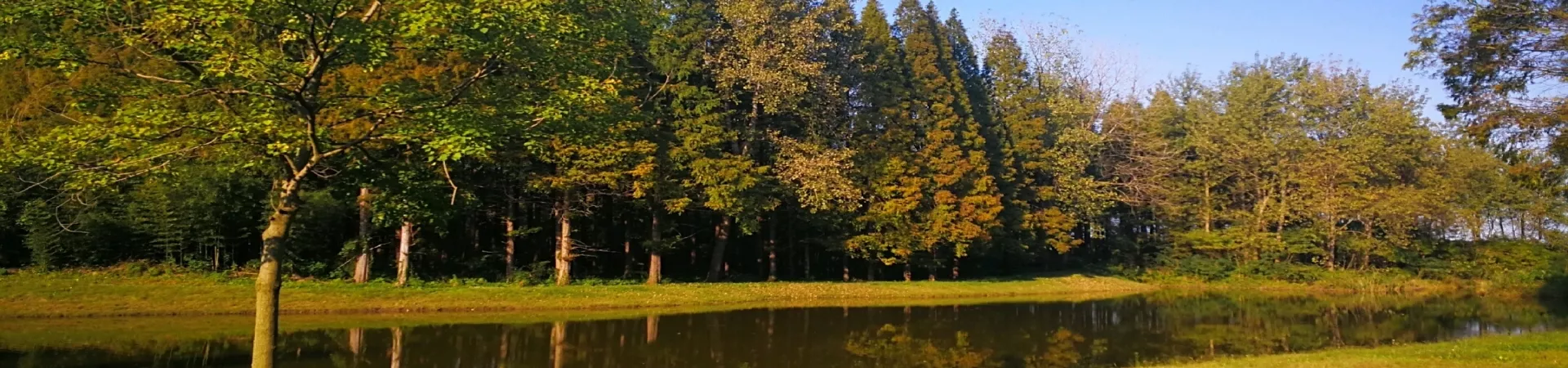
Spanning approximately 45.3 square kilometers (about 68,000 mu), the park's most staggering feature is its sheer scale and pristine condition as the largest plain forest in China's coastal regions. A lush canopy covers around 90% of the land, creating a vibrant, breathing landscape.
2.1 A Biodiversity Hotspot The park is a thriving ark of life, hosting an estimated 628 species of plants, 342 species of birds, and nearly 30 species of mammals. This rich tapestry of life establishes it as a crucial node on the East Asian-Australasian Flyway, providing essential habitat for countless migratory birds. Its ecological significance is internationally recognized, often described as a "radiant emerald" on the unpolluted western coast of the Pacific Ocean by UNESCO.
2.2 The Air We Breathe: A Natural Sanatorium Stepping into the forest is an immediate sensory experience. The air is notably fresh, charged with negative oxygen ions reaching concentrations of around 4000 per cubic centimeter—levels associated with pristine natural environments and known to promote respiratory health, enhance mood, and boost overall well-being. This forms the core of the park's "forest wellness" appeal, creating a harmonious ecosystem where visitors can truly reconnect with nature.
Experiences and Amenities: Immersion in Nature's Playground
Guided by the philosophy of "ecology first, with equal emphasis on development and protection," the park has thoughtfully developed its theme around "Green, Ecology, and Wellness." It leverages its unique position where forest meets ocean, offering a diverse array of activities centered on the dialogue between humans, the woodland, and the sea.
3.1 Attractions and Infrastructure The park has meticulously developed infrastructure to enhance access and enjoyment without compromising its natural integrity. Key facilities include a comprehensive Visitor Service Center, an exhilarating aerial walkway that offers a bird's-eye view of the canopy, and specialized areas like a Children's Camp and a Forest Utopia for family engagement. For hands-on creativity, the Forest Wood Workshop provides unique experiences, while picturesque clusters of wooden cabins offer charming accommodation options nestled within the trees.
3.2 Activities for Every Visitor The park caters to a wide range of interests, making it a versatile destination.
- 4.1 Education and Leisure: It serves as an outstanding base for popular science education and wetland sightseeing, where visitors can learn about coastal ecology and conservation.
- 4.2 Health and Recreation: The focus on wellness is realized through ecological vacations, health and fitness retreats, and various sports activities designed to rejuvenate both body and mind.
- 4.3 Business and Events: With facilities suitable for business conferences and exhibitions, the park provides a uniquely refreshing alternative to urban venues. A dynamic calendar of themed and seasonal events throughout the year ensures there is always something new to discover, contributing to an annual visitor count of around one million.
Visitor Information: Planning Your Journey
Location and Access: The park is conveniently connected via Provincial Highway 352 and National Highway 228, making it accessible for self-drive tours.
Contact: For inquiries, you can reach the park at +86-515-69969090.
Operating Hours: * April 1st - October 31st: 8:30 - 17:30 (Last entry at 16:30) * November 1st - March 31st: 8:30 - 17:00 (Last entry at 16:00) * Note: The hot spring facility at the Huanghai Forest Hotel operates under a separate fee policy with no complimentary admission.
Ticketing: * Standard Ticket: 50 RMB (Adults) * Concession Ticket: 25 RMB. Applicable to: Full-time undergraduate students and below (with valid student ID); seniors aged 60-69 (with valid ID); children aged 6-18 or with height between 1.4m and 1.5m. * Free Admission: Seniors aged 70 and above (with valid ID); children under 6 years or under 1.4m in height; active-duty military personnel (with valid officer's certificate); tour guides with a valid guide card; journalists with a valid press card; individuals with disabilities (with valid disability certificate). * Please note: Ticket information is for reference only. Please confirm the latest prices and policies at the official ticket office on the day of your visit.
Future Vision: An Evolving Sanctuary
Looking forward, Huanghai National Forest Park continues to build upon its legacy. The development vision aims to solidify its status as a multifunctional, high-quality model for forest ecological demonstration and science education. The ultimate goal is to become the most influential coastal forest resort destination in East China, a place where conservation, education, and sustainable tourism seamlessly converge for generations to come.
Information last updated: January 14, 2023. Credit to contributor Kikikira for editorial input.