Chinese MILU Park
Subtitle: A Journey into the Heart of Wetland Wilderness and Milu Deer Conservation
Introduction: A Coastal Sanctuary of Global Significance Nestled on the tidal flats of the Yellow Sea, where the Asian continent meets the western shores of the Pacific Ocean, lies the China Yancheng Milu National Nature Reserve, commonly known as the Chinese Milu Park. This extraordinary destination represents the largest wetland on Asia's eastern coast and stands as one of the most well-preserved semi-primitive wetlands along the Pacific Rim. Its immense ecological value has earned it a prestigious place on the Ramsar Convention's list of Wetlands of International Importance, designating it as a permanently protected site. More than just a park, it is a vast, living museum where land, water, and wildlife intertwine in a spectacular display of natural harmony.
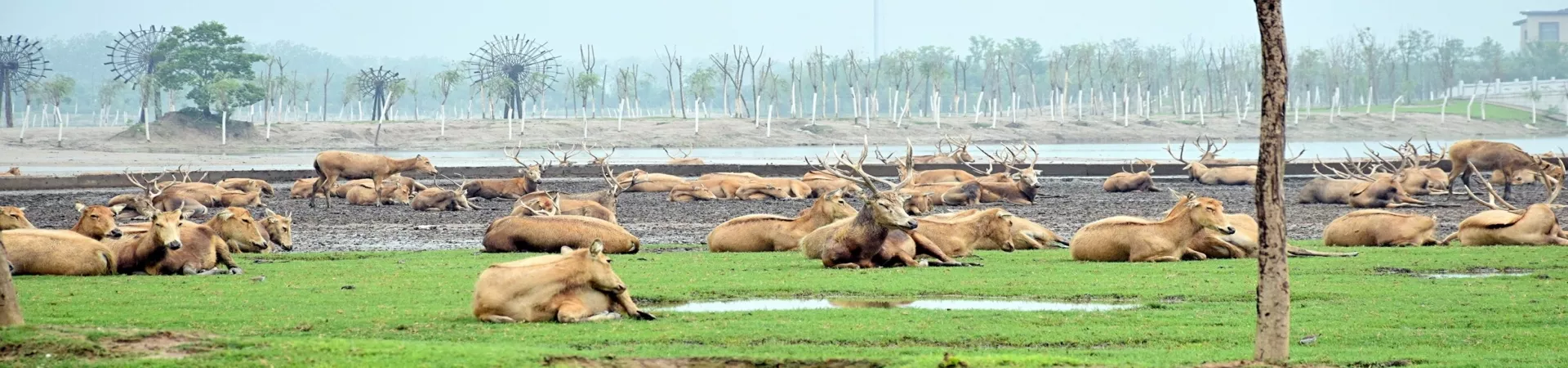
The Crown Jewel: The World's Premier Milu Deer Reserve This park holds a unique global position as the world's only National 5A-level tourist attraction dedicated specifically to "wetland ecology and Milu deer conservation." It is unparalleled in both scale and population, being the largest habitat for wild Milu deer, or Père David's deer, on the planet. The story of the Milu here is one of remarkable conservation success. From a founding herd of just 39 individuals reintroduced in 1986, the population has flourished, reaching over 5,016 deer by 2019. Notably, approximately 1,350 of these roam freely in the wild, constituting the world's largest and most vital genetic bank for this once-extinct-in-the-wild species. Observing these majestic creatures, often described as having "the hooves of a cow, the neck of a camel, the antlers of a deer, and the tail of a donkey," as they graze peacefully or engage in seasonal rituals, is the park's defining experience.
A Thriving Biodiversity Hotspot: Beyond the Milu Deer While the Milu are the stars, the park's ecosystem teems with life, hosting over 400 animal species. It serves as a critical sanctuary for endangered birds such as the iconic Red-crowned Crane, the stately Oriental White Stork, and the powerful White-tailed Sea Eagle. The wetlands and grasslands are also home to mammals like the rare Chinese Water Deer (Ya Zhang) and leopard cats. This rich fauna is supported by a lush tapestry of nearly 500 species of coastal and saline-tolerant plants. The landscape transforms with the seasons: in spring and summer, the wetlands are a vibrant green, alive with birdsong; in autumn, vast expanses of Suaeda salsa (sea blite) turn a breathtaking crimson, creating a "red carpet" for the wildlife. The scene is perpetually animated by egrets foraging among the deer, herons fishing in quiet creeks, and flocks of birds dancing over the marshes, offering a profound sense of ecological interconnectedness.
Exploring the Park: Key Zones and Attractions The vast park is thoughtfully organized into three primary zones, each offering a different perspective on this ecological treasure.
2.1. The Milu Observation Area This zone provides the most direct encounters with the park's namesake inhabitants. Key sites include: * The Deer Watching Platform & Deer King Display Area: Offering panoramic views, these platforms allow visitors to safely observe large herds of Milu in their natural setting. The Deer King Display Area highlights the impressive stags, particularly during the rutting season when their antlers are fully grown. * Fengshen Terrace: A scenic spot that combines cultural elements with natural vistas, often providing elevated views over the wetlands and deer habitats.
2.2. The Natural Ecology Area Dedicated to the broader wetland ecosystem, this area invites visitors to immerse themselves in the diverse habitats. * Birdwatching Points & Deer Island Fish Viewing: Scattered trails and blinds allow for quiet observation of the park's abundant birdlife. The Deer Island area offers glimpses into aquatic life. * The Parrot Garden: A specific attraction featuring colorful avian species, adding a touch of vibrancy.
2.3. The Milu Cultural Area This zone delves into the historical and cultural significance of the Milu deer in China, from their ancient presence in Chinese lore to their dramatic extinction in the wild and triumphant reintroduction. Informative displays and exhibits tell this compelling conservation story.
Visitor Experience and Practical Information A visit to the Chinese Milu Park is designed to be an engaging blend of patriotic education, ecological science, cultural insight, and pure nature appreciation. The park is equipped with comprehensive facilities to enhance the visit, including a Visitor Center for orientation, two code-operated ferry terminals for scenic wetland boat tours, a Food Court offering local flavors, and a Children's Playground.
3.1. Planning Your Visit * Ticket Information: * Standard Ticket: 55 RMB (Full price). * Concession Ticket: 28 RMB (Applicable for children, students, seniors aged 60-69 with valid ID). Valid official identification is required for all concession purchases. * Opening Hours: 08:30 - 17:00 daily. Last admission is at 17:00. * Recommended Duration: A minimum of 3 hours is suggested to fully appreciate the park's scale and beauty. Allowing a half-day or more enables a more relaxed exploration, including a boat tour.
3.2. Immersive Encounters Walking through this pristine land offers a true escape. The rhythm of life here is palpable: herds of Milu grazing contentedly, white egrets picking insects from their backs, grey herons standing motionless in shallow waters, and the sudden, fleeting sight of a wild hare darting through the reeds. It is a place for quiet contemplation, photography, and deep connection with nature. Visitors are encouraged to "converse" with the landscape, "befriend" the birds, and walk "hand-in-hand" with the essence of the wilderness. The park stands as a "worldly paradise" for观光休闲 (sightseeing and leisure) and修身养性 (self-cultivation and spiritual nourishment), offering a powerful reminder of the beauty and resilience of the natural world.
(For the most current information, please contact the park directly at 0515-83391999 or 0515-83893029.)