China Sea Salt Museum
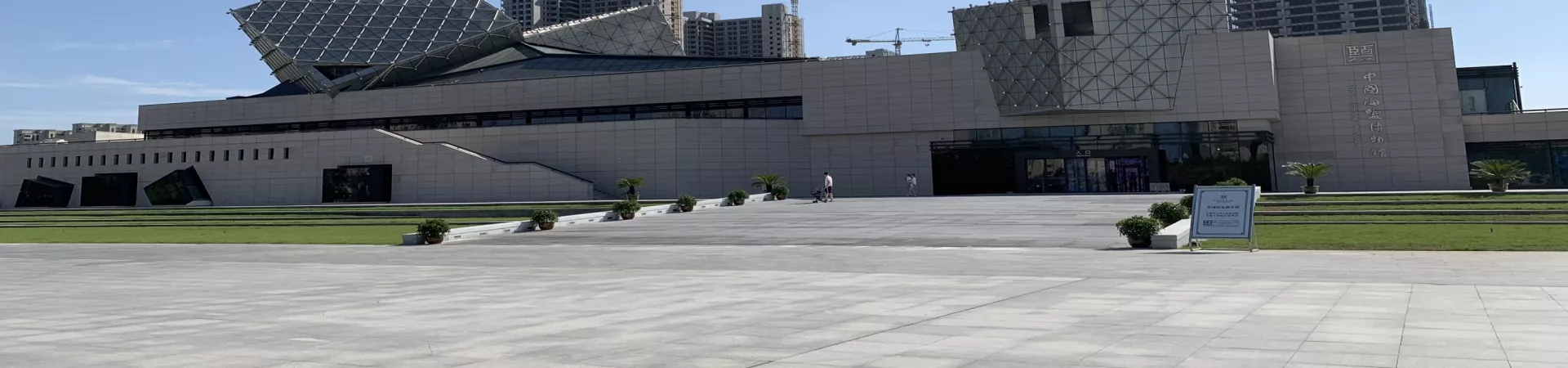
Subtitle: A Journey Through Time: Unveiling the Legacy of Salt at the China Sea Salt Museum
1. Introduction: The Crystalline Heart of Yancheng
Nestled within the coastal city of Yancheng in Jiangsu Province, a city whose very name—"Salt City"—proclaims its historical essence, stands a unique institution dedicated to preserving and narrating a fundamental story of Chinese civilization. The China Sea Salt Museum is not merely a collection of artifacts; it is a profound exploration into the world of salt, a substance that has shaped economies, fueled empires, inspired cultures, and sustained life itself. This museum serves as the national epicenter for the research, collection, and exhibition of China's maritime salt industry, offering visitors an immersive journey through thousands of years of history, technology, and culture crystallized around this essential mineral.
2. Architectural Philosophy and Setting
2.1. A Design Inspired by the Source Before even stepping inside, the museum's architecture prepares the visitor for the thematic journey within. Its design is a masterful abstraction of salt's natural origins. The building's form evokes the crystalline structure of salt, with geometric facets that play with light and shadow. More poetically, its silhouette and surface textures are often interpreted as representing the heaps of harvested salt or the shimmering surfaces of vast salt evaporation ponds, known as yan tian, that have characterized the region's landscape for centuries. Situated in Yancheng, a city built upon the wealth and labor of the salt industry, the museum is perfectly located at the geographical and historical source of its narrative, blending seamlessly with the local environment and heritage.
2.2. Navigating the Exhibition Space The interior spaces are thoughtfully curated to guide visitors on a logical and engaging chronological and thematic path. The flow from one exhibition hall to the next is designed to mirror the process of salt production—from source to final product—while simultaneously unfolding the historical saga. The use of lighting, spatial design, and multimedia installations enhances the atmospheric journey, transitioning from the deep, mysterious blues representing the sea to the bright, pure whites symbolizing the harvested salt.
3. The Core Exhibition: A Multifaceted Exploration of Salt
The museum's permanent exhibition is typically organized into several compelling sections, each delving into a specific aspect of the salt story.
3.1. The Historical Panorama: Salt as a Pillar of Civilization This section forms the backbone of the museum, tracing the role of salt in Chinese history from ancient times to the modern era. * 3.1.1. Ancient Origins and Imperial Control: Artifacts such as ancient brine-well tools, pottery shards from salt-boiling sites, and historical documents illustrate the early techniques of salt extraction. It delves into the pivotal role of salt in state-building, explaining the famous "Salt and Iron Monopolies" that were crucial to the fiscal health of dynasties like the Han. The display highlights how control over salt production and distribution was synonymous with political power and economic stability. * 3.1.2. The Yancheng Story: A dedicated focus on the local region showcases Yancheng's central role in the maritime salt industry. Maps, models, and historical records depict the expansion of its coastal salt fields, the management systems under different dynasties, and the immense wealth and cultural exchange it generated along the Grand Canal and coastal trade routes.
3.2. The Science and Technology of Salt Making Here, the focus shifts to the ingenious methods developed over millennia to harness salt from the sea. * 3.2.1. Traditional Maritime Techniques: Detailed dioramas and models bring to life the intricate process of the "sun-evaporation method." Visitors can understand the careful channeling of seawater into a series of graded evaporation ponds, the role of sunlight and wind in concentrating the brine, and the final crystallization and raking of salt. Tools like rakes, barrels, and specialized footwear used by salt workers are displayed, emphasizing the labor-intensive nature of the work. * 3.2.2. Technological Evolution: The exhibition progresses to show the industrialization of salt production, featuring machinery from the early modern period and explaining contemporary, large-scale refining and processing techniques. This contrast underscores the dramatic shift from ancient artisan methods to modern industrial science.
3.3. Salt in Culture and Daily Life Moving beyond economics and technology, this gallery explores the profound cultural imprint of salt. * 3.3.1. Symbolism and Folklore: The section explores salt's symbolic meanings—of purity, preservation, and value—in Chinese rituals, language, and folklore. Stories, proverbs, and artistic representations connected to salt are presented. * 3.3.2. The Social Fabric: It paints a vivid picture of the lives of salt merchants, who amassed legendary fortunes and influenced regional architecture and arts, and the salt workers, whose arduous labor formed a distinct social community with its own traditions, challenges, and resilience. This humanizes the historical narrative, connecting the mineral to the people who produced and traded it.
3.4. The Collection: Treasures of the Salt Heritage The museum houses a diverse and invaluable collection of artifacts that provide tangible links to the past. * 3.4.1. Archaeological Finds: This includes remnants from ancient salt workshops, such as brine pots, stove fragments, and salt cakes. * 3.4.2. Historical Documents: A crucial part of the collection comprises official ledgers, merchant contracts, tax stamps, and imperial decrees related to the salt administration, offering direct insight into the bureaucratic and commercial systems. * 3.4.3. Tools and Implements: A comprehensive array of production tools from different periods showcases the evolution of technology. * 3.4.4. Cultural Relics: Items reflecting the wealth of the salt trade, including fine porcelain, coins, and personal artifacts from salt merchant families, illustrate the broader cultural and economic impact.
4. Practical Information for Visitors
4.1. Location and Accessibility The China Sea Salt Museum is located within Yancheng City, Jiangsu Province. It is generally accessible by public transportation, including city buses, and offers parking facilities for private vehicles. The museum is designed to be accessible to all visitors.
4.2. Opening Hours The museum's regular opening hours are as follows: * Tuesday to Sunday: 09:00 - 18:00 (Last admission is at 17:30). * Monday: The museum is typically closed all day for maintenance, except when a public holiday falls on a Monday, in which case it may open and close on the following Tuesday instead. It is always advisable to check the official website or contact the museum for the most current information before planning a visit, as hours may be subject to change during national holidays or for special events.
4.3. Enhancing the Visit To fully appreciate the context, visitors are encouraged to explore Yancheng's other historical sites connected to the salt industry, such as the ancient salt transport routes or historical districts. The museum itself often features temporary exhibitions, educational workshops, and guided tours that provide deeper dives into specific topics, from archaeological discoveries to the chemistry of salt.