Anfeng Ancient Street
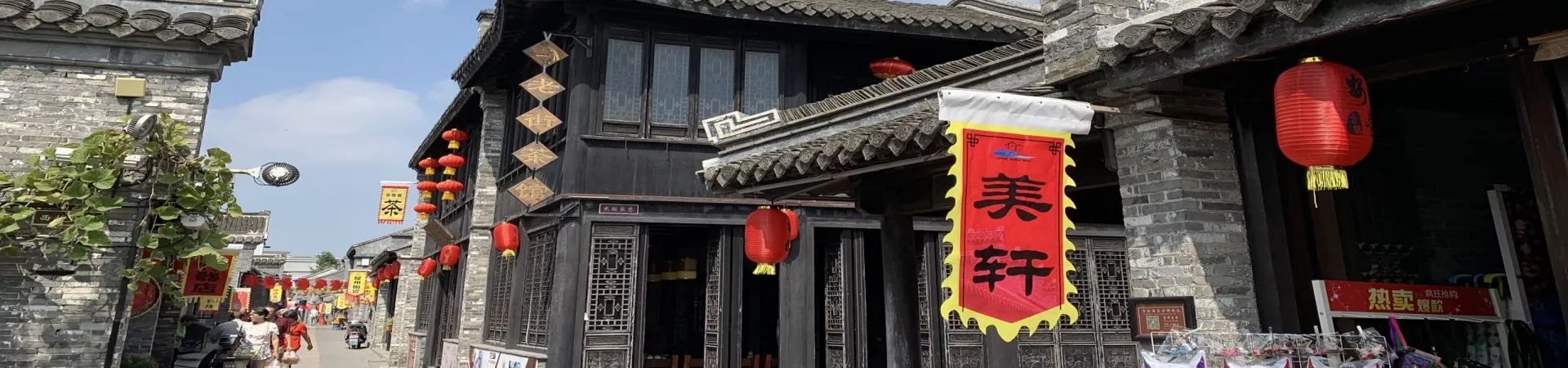
Subtitle: A Journey Through Time in Yancheng's Ancient Water Town
Introduction: The Allure of Anfeng Ancient Street
Nestled within the bustling modernity of Yancheng City in Jiangsu Province, Anfeng Ancient Street stands as a serene portal to a bygone era. More than just a collection of old buildings, it is a living, breathing museum of Ming and Qing dynasty architecture and a testament to the rich historical tapestry of the Huaiyang region. For the discerning traveler seeking an authentic escape from the generic, Anfeng offers an immersive experience where the whispers of history are carried on the breeze along its stone-paved lanes and tranquil waterways. This meticulously preserved neighborhood invites visitors to slow down, wander without a strict agenda, and discover the enduring spirit of an ancient water town that has gracefully adapted to the centuries.
Section 1: Historical and Architectural Grandeur
1.1 A Legacy Carved in Stone and Wood The fundamental charm of Anfeng Ancient Street lies in its extraordinary architectural preservation. Stretching over a kilometer, the street is a textbook example of Huaiyang-style architecture from the Ming (1368-1644) and Qing (1644-1912) dynasties. The structures here are characterized by their elegant simplicity, white-washed walls, dark grey clay-tiled roofs that curve gently at the eaves, and intricate wooden carvings adorning doors, windows, and beams. The use of local materials and time-honored construction techniques speaks to a deep connection with the environment and regional culture.
1.2 The Water Town's Lifeline: Canals and Bridges Integral to Anfeng's identity is its network of canals, a defining feature of traditional towns in the Jiangnan and Huaiyang areas. These waterways were not merely scenic additions but the vital arteries for transportation, commerce, and daily life. Stone bridges of various styles—some simple and arched, others flat and sturdy—connect the two sides of the street, offering picturesque vantage points. A leisurely boat ride along these calm canals provides a unique, low-angle perspective of the ancient homes, their foundations lapped by water, revealing the harmonious coexistence of human settlement and nature that defined life here for generations.
Section 2: The Cultural and Artistic Heartbeat
2.1 Crafts, Commerce, and Living Traditions Beyond its physical beauty, Anfeng Ancient Street thrives as a center for cultural preservation. Many of the old shopfronts along the main lane are still active, housing artisans and local businesses that keep traditional crafts alive. Visitors can observe or even participate in workshops dedicated to time-honored skills such as bamboo weaving, traditional dough figurine sculpting, or the making of Chinese knotting. These artisans are not performers for tourists but custodians of heritage, and their workshops offer a genuine glimpse into the artistic soul of the region.
2.2 Culinary Heritage: A Taste of Huaiyang No visit to Anfeng is complete without indulging in its culinary offerings. The street is famed for its local snacks and dishes that belong to the prestigious Huaiyang cuisine, one of China's Four Great Traditions known for its delicate flavors, emphasis on fresh ingredients, and exquisite presentation. Food stalls and small, family-run restaurants serve up specialties such as Anfeng Shaobing (a flaky, layered sesame pastry), freshly made rice wine, Yancheng matisha (braised river fish), and various delicate steamed buns. Dining here is a direct connection to the local palate and agricultural bounty of the surrounding plains.
Section 3: Key Sites and Immersive Experiences
3.1 Notable Courtyards and Former Residences Scattered throughout the street are several well-preserved former residences of notable merchants, scholars, and officials. These compounds, often featuring a sequence of courtyards (siheyuan), reveal the social structure, family life, and aesthetic values of the past. The Wu's Ancestral Hall or the former residence of a Qing dynasty salt merchant, for example, showcase finer architectural details, antique furniture, and historical exhibits that narrate the stories of the families who shaped Anfeng's prosperity, particularly during its time as a hub in the salt trade.
3.2 Temples and Public Spaces Spiritual and communal life centered around specific sites like ancient temples or public squares. A small, historic temple dedicated to a local deity or a Buddhist figure often serves as a quiet refuge. These sites, with their lingering scent of incense, offer insight into the spiritual beliefs that guided daily life. Similarly, a central square or a wider section of the street might have been the historical marketplace, and today it remains a natural gathering point, offering a lively atmosphere where visitors can feel the community's pulse.
Section 4: Practical Information for Visitors
4.1 Location and Accessibility Anfeng Ancient Street is located in the Dongtai area, under the administration of Yancheng City, Jiangsu Province. It is easily accessible by road from downtown Yancheng. Visitors can drive or take a taxi or a local bus to reach the site. Its proximity to other regional attractions makes it a perfect half-day or full-day excursion for those exploring the cultural landscape of northern Jiangsu.
4.2 Admission and Operating Hours To maintain and preserve this historical treasure, a modest admission fee is charged. The standard ticket price is 40 RMB per person. The ancient street is open to the public daily from 8:30 in the morning until 17:00 in the afternoon. This schedule is consistent throughout the year, from January 1st to December 31st. It is always advisable to check for any unexpected changes in hours during national holidays or for special maintenance closures, though these are rare.
4.3 Enhancing Your Visit To fully appreciate Anfeng, allocate at least three to four hours. Early mornings or weekdays are ideal for avoiding larger crowds and experiencing the street in a more tranquil state. Comfortable walking shoes are essential for navigating the ancient stone pathways. While major sites may have informational plaques in English, consider using a translation app for deeper engagement with shopkeepers and artisans. The street is particularly enchanting in the soft light of late afternoon, and the reflections of the ancient buildings on the canal waters at dusk are a photographer's delight. For inquiries, the local management can be contacted at +86-515-68000888.