Xuchang Museum
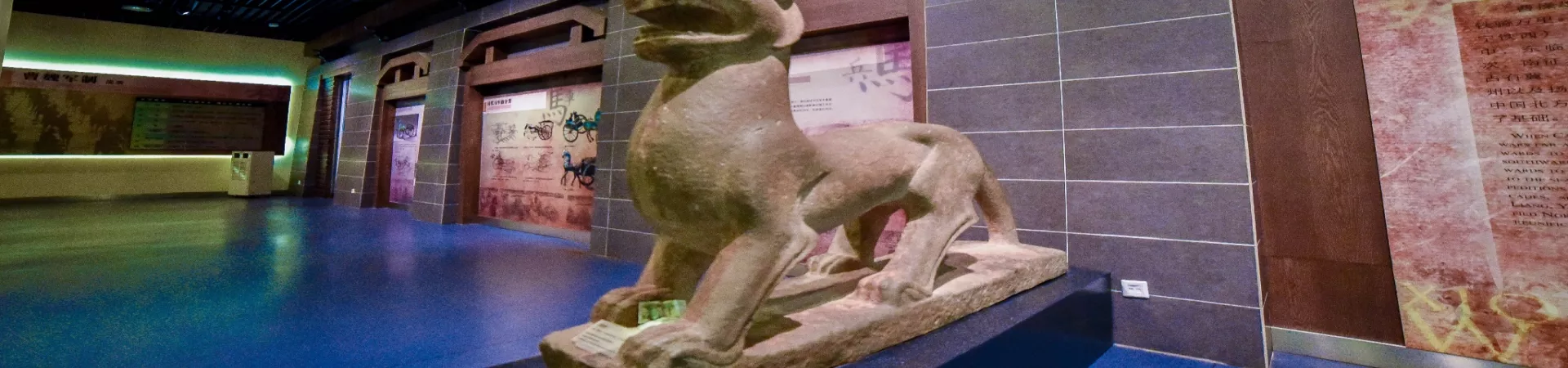
A Visitor's Guide to Xuchang Museum: Unveiling the Heart of the Han Dynasty
Nestled in the historic city of Xuchang in central China's Henan Province, the Xuchang Museum stands not merely as a repository of artifacts but as a vibrant portal into a pivotal era of Chinese civilization. While its collections span various historical periods, the museum’s soul is inextricably linked to the Han Dynasty, particularly the Eastern Han and the subsequent Three Kingdoms period, when Xuchang (then known as Xuchang) served as the capital. For any traveler seeking to move beyond textbook history and feel the pulse of ancient China, a visit to this museum is an indispensable journey.
Planning Your Visit: Essential Information
Before embarking on your historical exploration, a few practical details will ensure a smooth experience.
- Admission Fee: The museum operates on a free admission policy. This open-door approach allows everyone, from scholars to casual tourists, to access its treasures without barrier.
- Opening Hours: The museum is open from 9:00 AM to 5:00 PM, Tuesday through Sunday, throughout the year. It is closed to the public on Mondays (except for public holidays that fall on a Monday, which may alter the schedule; confirmation is always advised). Visitors are typically not admitted after 4:30 PM to allow sufficient time for viewing.
- Contact: For any specific inquiries regarding special exhibitions, group visits, or accessibility services, you can reach the museum at +86-374-2621210.
The Architectural and Historical Context
The museum's design often reflects a harmonious blend of modern architectural principles with subtle traditional motifs, symbolizing the bridge between the past and the present. Its location in Xuchang is profoundly significant. During the late Eastern Han Dynasty, the warlord Cao Cao, a central figure in the classic Romance of the Three Kingdoms, established his political and military base here, making it the de facto capital. It was in Xuchang that he held the emperor hostage to command the feudal lords and laid the groundwork for the state of Cao Wei. Therefore, the museum is built upon and tells the story of what was once one of the most powerful cities in China.
A Journey Through the Galleries: Key Exhibits
The museum's exhibition space is systematically organized to guide visitors through a chronological and thematic narrative. The displays are enriched with detailed bilingual captions (Chinese and English), multimedia installations, and careful lighting to enhance the viewing experience.
1. The Cradle of Civilization: Neolithic and Bronze Age Finds The journey begins with the earliest traces of human activity in the region. Exhibits feature polished stone tools, delicate pottery from the Yangshao and Longshan cultures, and early bronze artifacts. This section sets the stage, illustrating the foundational technological and social developments that made the area suitable for later dense settlement and political importance.
2. The Glory of the Han: Life in the Imperial Capital This is undoubtedly the core of the museum. The Han Dynasty (206 BCE – 220 CE) is considered a golden age of Chinese culture, power, and innovation, and the museum brings this era to life. * Daily Life and Economy: Exhibits include intricately designed Han pottery, models of architectural components like roof tiles with inscriptions, and iron agricultural tools. These items paint a vivid picture of a prosperous, well-organized society. Notably, coins and measuring tools highlight the standardized economic systems enforced from the capital. * Artistic Refinement: The famous Han dynasty pottery figurines are a highlight. These figurines, representing servants, dancers, musicians, and animals, were buried in tombs to accompany the deceased. Their lively expressions and postures offer an intimate glimpse into contemporary fashion, entertainment, and social hierarchy. * Burial Practices and Beliefs: A section is dedicated to tomb artifacts, including jade burial suits fragments (or depictions thereof) and pictorial bricks. These bricks, carved with scenes of banquets, processions, and mythological motifs, are not only artistic masterpieces but also crucial sources for understanding Han cosmology and beliefs about the afterlife.
3. The Three Kingdoms Legacy: The Age of Cao Cao Building directly on the Han section, this gallery focuses on the turbulent and romanticized period that followed. Since Xuchang was Cao Cao's stronghold, the exhibits here have a deeply personal connection to the site. * Military History: Visitors can see weapons, armor, and cavalry fittings from the period. Maps and models illustrate the strategic battles and complex alliances that defined the Three Kingdoms era. * Cultural Artifacts from the Cao Wei State: Calligraphy, stone steles, and bronze items inscribed with official seals from the Wei administration underscore the city's role as a political center. The exhibits contextualize the historical figure of Cao Cao, separating the legendary strategist from the Romance of the Three Kingdoms literary portrayal and presenting him as a formidable ruler and patron of culture.
4. Through the Dynasties: Post-Han Developments The final main sections trace the region's history through subsequent dynasties like the Tang, Song, and Ming. While perhaps less extensive than the Han and Three Kingdoms collections, they show the continuity of Xuchang as a significant regional center. Exquisite porcelain, Buddhist sculptures, and coins from these eras complete the historical narrative.
Enhancing the Visitor Experience
The museum is designed to be engaging. Beyond static displays, look for interactive screens that allow you to virtually "handle" artifacts or explore archaeological sites. The museum shop offers replicas of popular figurines, books, and souvenirs, allowing you to take a piece of history home. For a deeper understanding, consider hiring an audio guide if available, or checking the museum's website or information desk for details on any temporary exhibitions that might be running during your visit, which often focus on specific archaeological discoveries or thematic studies related to the region's history.