Xuchang Chunqiu Tower
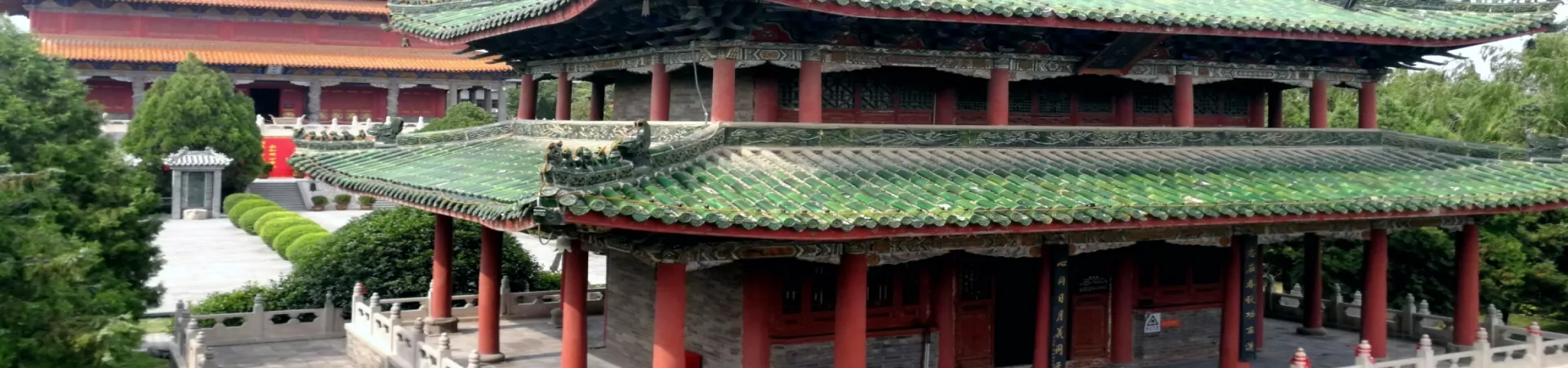
Subtitle: A Journey Through Time: Exploring Xuchang's Spring and Autumn Pavilion, a Monument to Loyalty and History
1. Introduction: The Legacy Embodied in Stone and Timber
Nestled in the heart of Xuchang city, along the historic Wenmiao Qian Street, stands a serene architectural complex that whispers tales of loyalty, valor, and literary grace from a bygone era. This is the Spring and Autumn Pavilion, a site whose very name has evolved through centuries, reflecting its deep cultural and spiritual significance. Known historically as Lord Guan's Residence, Guan Wang Temple, Wu'an Wang Temple, the Temple of Heroic Awe in Two Courts, and finally the Guandi Temple, each name marks a chapter in its long story. Primarily showcasing the architectural aesthetics of the Ming and Qing dynasties, the pavilion serves as a physical chronicle, its foundations laid as far back as the Yuan dynasty in 1271. Through successive renovations across the Yuan, Ming, and Qing periods, it has grown into the meticulously preserved complex we see today, offering visitors a tangible connection to China's rich historical narrative.
2. Historical Significance and Architectural Grandeur
2.1. The Legend of Guan Yu and the Pavilion's Origin The soul of the Spring and Autumn Pavilion is inextricably linked to Guan Yu, the deified general from the Three Kingdoms period (220-280 AD), renowned as a paragon of loyalty, righteousness, and military prowess. Legend holds that during his time in Xuchang, Guan Yu would retreat to a tower at night to read the classic historical text, The Spring and Autumn Annals, by candlelight, steadfastly maintaining his integrity and moral compass. This iconic act of scholarly devotion gave the main tower its enduring name. The site is believed to have been part of the residence granted to Guan Yu by Cao Cao, making it a place of both historical occurrence and later veneration.
2.2. Architectural Layout and Artistic Features The complex is a superb example of traditional Chinese temple architecture, arranged along a central axis to create a sense of harmony and solemn progression. The main structures typically include:
- The Mountain Gate: The formal entrance, setting the tone for the visit.
- The Bell and Drum Towers: Symbolizing the order of the temple and the passage of time.
- The Main Hall (Daxiong Baodian): Often housing impressive statues of Guan Yu, depicted in his majestic, revered form as Emperor Guan (Guandi).
- The Spring and Autumn Pavilion (Chunqiu Lou) itself: The architectural and spiritual centerpiece. This multi-storied wooden pavilion is designed to recreate the solemn atmosphere of Guan Yu's nightly studies. Its construction likely features intricate dougong bracketing systems, elegantly upturned eaves, and detailed carvings that are hallmarks of Ming-Qing craftsmanship.
The surrounding gardens, courtyards, and auxiliary halls contribute to an environment of tranquility, inviting contemplation amidst ancient cypress trees and stone steles inscribed with classical calligraphy.
3. Practical Information for Visitors
3.1. Location and Accessibility The Spring and Autumn Pavilion is conveniently located in Xuchang's city center, making it easily accessible by public transportation, taxi, or on foot from other downtown points of interest. Its address on Wenmiao Qian Street places it within a culturally rich district.
3.2. Opening Hours and Admission * Opening Hours: The site is open daily from 07:50 to 17:30. * Last Admission: It is important to note that the last entry is at 17:00, allowing a final half-hour for visitors already inside. * Admission Fee: A ticket costs 22 Chinese Yuan (RMB). This fee contributes to the maintenance and preservation of this historical treasure.
3.3. Suggested Visitor Experience To fully appreciate the site, visitors are encouraged to allocate at least 1.5 to 2 hours. Engaging a local guide or utilizing available audio guides can greatly enrich the experience by providing context to the legends, architectural details, and historical nuances. The best times for photography are often in the morning or late afternoon when the sunlight accentuates the wooden structures and casts long shadows in the quiet courtyards.
4. Cultural Context and Lasting Impact
4.1. From Warrior to Deity: The Cult of Guan Yu The evolution of this site from a "residence" to a series of "temples" mirrors Guan Yu's own transformation in Chinese culture—from a respected historical general to a widely worshipped deity. As Guandi, he is revered in Confucianism for his loyalty, in Buddhism as a protector, and in Taoism for his power to suppress evil. The Spring and Autumn Pavilion stands as a central node in this worship, representing his scholarly and virtuous aspect, which complements his martial reputation.
4.2. Xuchang's Role in the Three Kingdoms Narrative A visit to the pavilion is incomplete without understanding Xuchang's pivotal role during the Three Kingdoms period. Serving as the capital of the Wei kingdom under Cao Cao, the city was a major political and military center. This site connects visitors directly to that tumultuous yet romanticized era, immortalized in literature like Romance of the Three Kingdoms. It forms an essential part of the cultural landscape for anyone tracing the historical geography of that epoch.
4.3. A Living Heritage Site Today, the Spring and Autumn Pavilion is more than a static museum; it is a living piece of heritage. It functions as a place for cultural education, academic research into late imperial architecture, and quiet reflection. It attracts not only tourists but also pilgrims, history enthusiasts, and scholars, serving as a bridge that connects the past's profound values with contemporary appreciation for history and art. Its preservation allows each visitor to walk in the footsteps of a legend and experience a moment of timeless serenity in the midst of modern urban life.
Information last updated: September 22, 2023. Credit and thanks to contributing editors from the travel community.